Building Cambodia’s Inclusive Digital Society
As Cambodia implements its Digital Economy and Society Policy Framework 2021-2025 and its Digital Government Policy 2022-2035, adopting a multi-stakeholder perspective is essential to promote broad digital adoption and drive transformation across all sectors, ensuring the development of an inclusive digital society.
It is against this backdrop that the Cambodia Internet Governance Forum (CamIGF), co-hosted by the Ministry of Post and Telecommunications, Open Development Cambodia (ODC), Cambodia Academy of Digital Technology (CADT), and UNESCO, comes timely and plays an important role in advancing Cambodia toward an inclusive digital future.
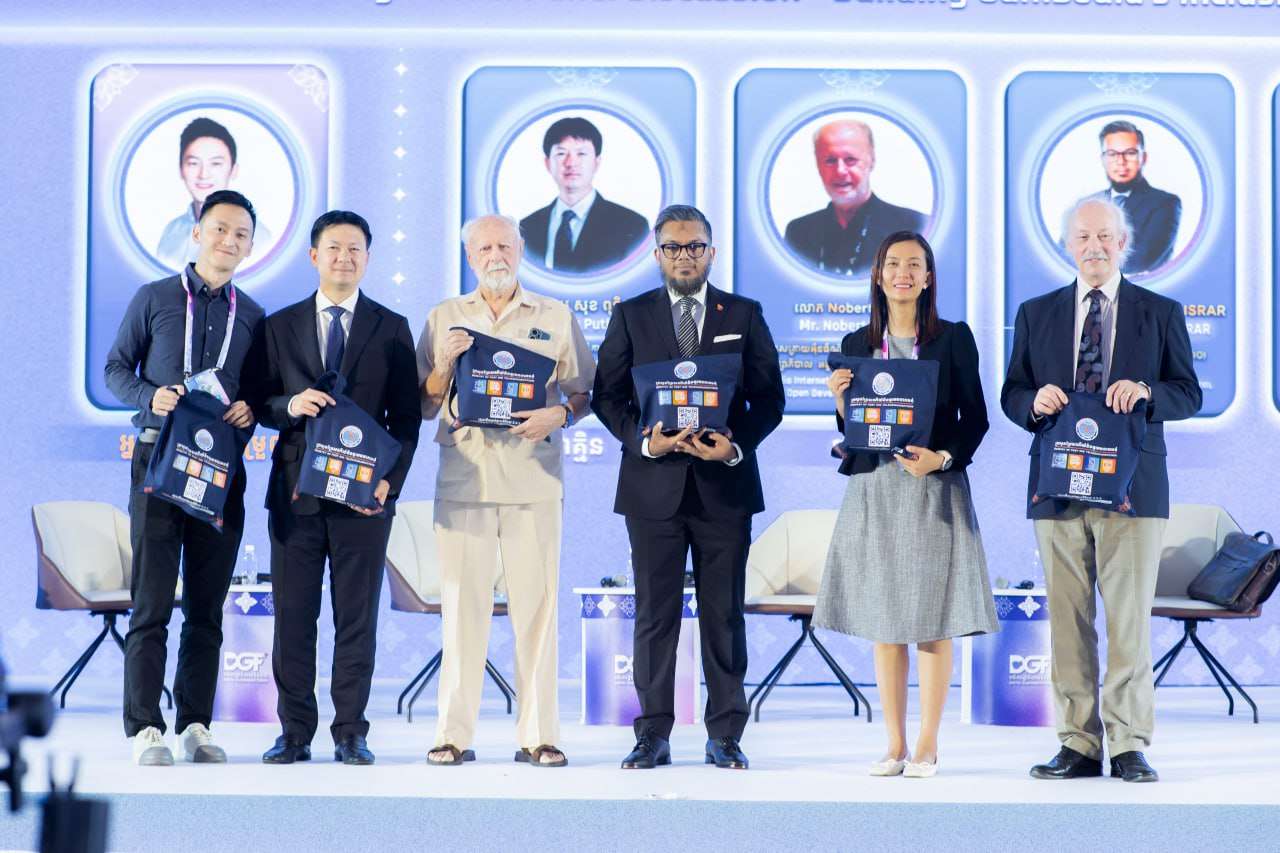
The first high-level panel discussion of the CamIGF, “Building Cambodia’s Inclusive Digital Society” was moderated by Mr. Adrian Wan, Senior Policy and Advocacy Manager of Internet Society, featuring His Excellency Mr. Sok Puthyvuth, Secretary of State, Ministry of Post and Telecommunications (MPTC), Mr. Norbert Klein, Cambodia Internet Pioneer and Board Member of Open Development Cambodia (ODC), Mr. Muhammad Adeel Israr, Chief Technical & Information Technology Officer (CTIO) of Smart Axiata, Mrs. Sin Putheary, Executive Director of Cooperation Committee for Cambodia (CCC), and Mr. Toby Mendel, Executive Director of the Center of Law and Democracy, UNESCO.
The first focus of the discussion centered on digital infrastructure and e-government, examining how Cambodia can accelerate the rollout of meaningful, high-speed connectivity in rural areas and ensure that e-government services are accessible, user-friendly, and trusted by all citizens.
From the government’s perspective, His Excellency Mr. Sok Puthyvuth emphasized that digital transformation is a key priority under the final stage of the Pentagonal Strategy Phase I, urging participants to reflect on what Cambodia’s future digital society should look like. He noted that, in preparing for this future, the government’s responsibility is to maintain public trust throughout the drafting, development, and implementation of digital frameworks and policies.
Addressing the question, Mr. Muhammad Adeel Israr highlighted the importance of upskilling the population and engaging people directly in digital governance solutions. He stressed the need to raise digital awareness among citizens and adopt a multi-step approach when designing policy frameworks. He concluded that Cambodia has already completed the first stage of its digital transformation, identifying underserved areas. The next critical step is effective implementation and adoption, transforming policies and visions into tangible actions.
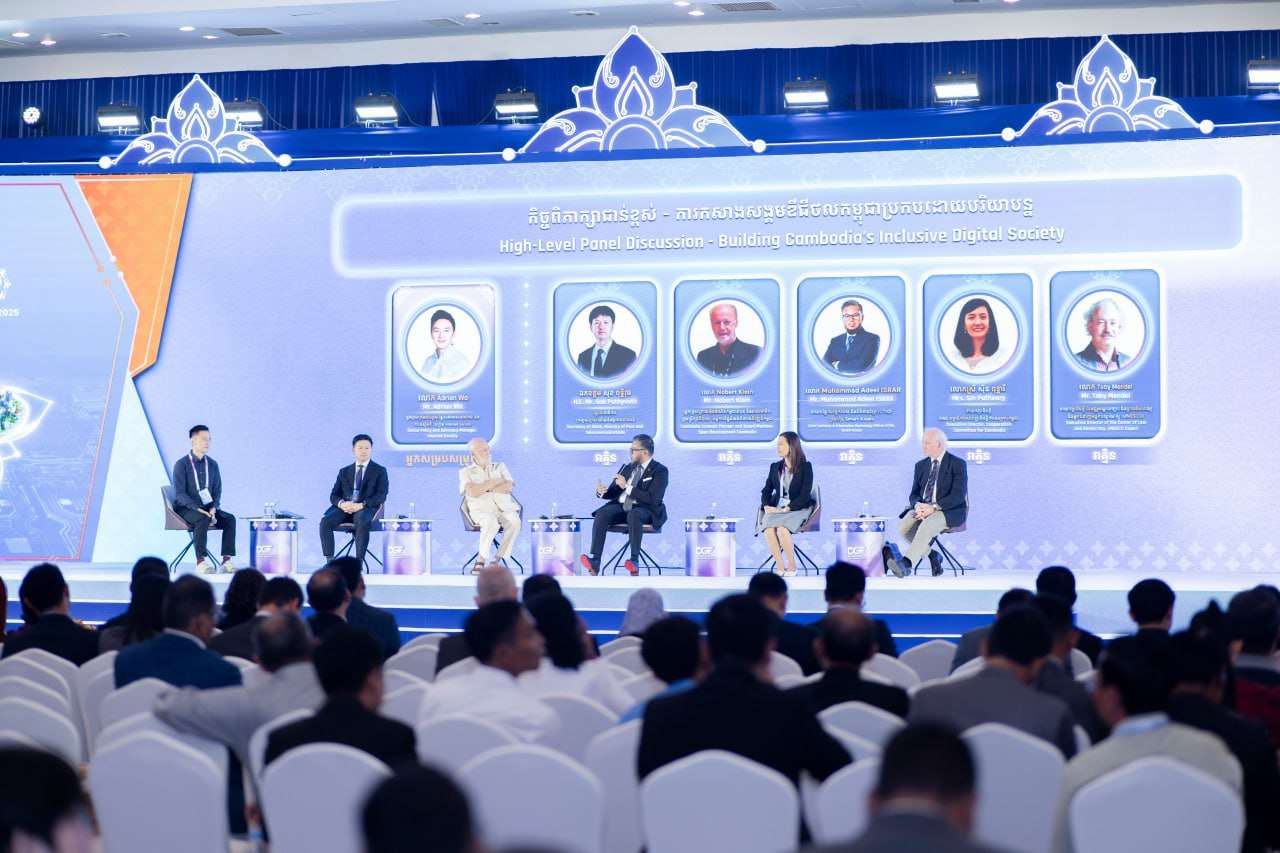
The second area of discussion focused on data governance, trust, and cybersecurity, highlighting the critical next steps needed to strengthen public confidence in digital systems and strike the right balance between data protection and data-driven innovation, particularly as Cambodia advances its Draft Laws on Personal Data Protection and Cybersecurity.
Mr. Toby Mendel reminded participants that trust takes years to build but can disappear in an instant. He noted that Cambodia’s approach of establishing broad policy frameworks and leaving the details to implementation offers flexibility, but he emphasized that public trust also requires regulating the public sector, not only the private sector, as is currently the case under the Draft Law on Personal Data Protection.
Speaking from the government’s perspective, H.E. Mr. Sok Puthyvuth underscored that while technology and its related policies will continue to evolve, trust is a separate and enduring challenge. He likened the Internet to a jungle filled with uncertainties, stressing that the goal of multi-stakeholder dialogue is to transform this jungle into a set of safe, navigable gardens where people can confidently engage.
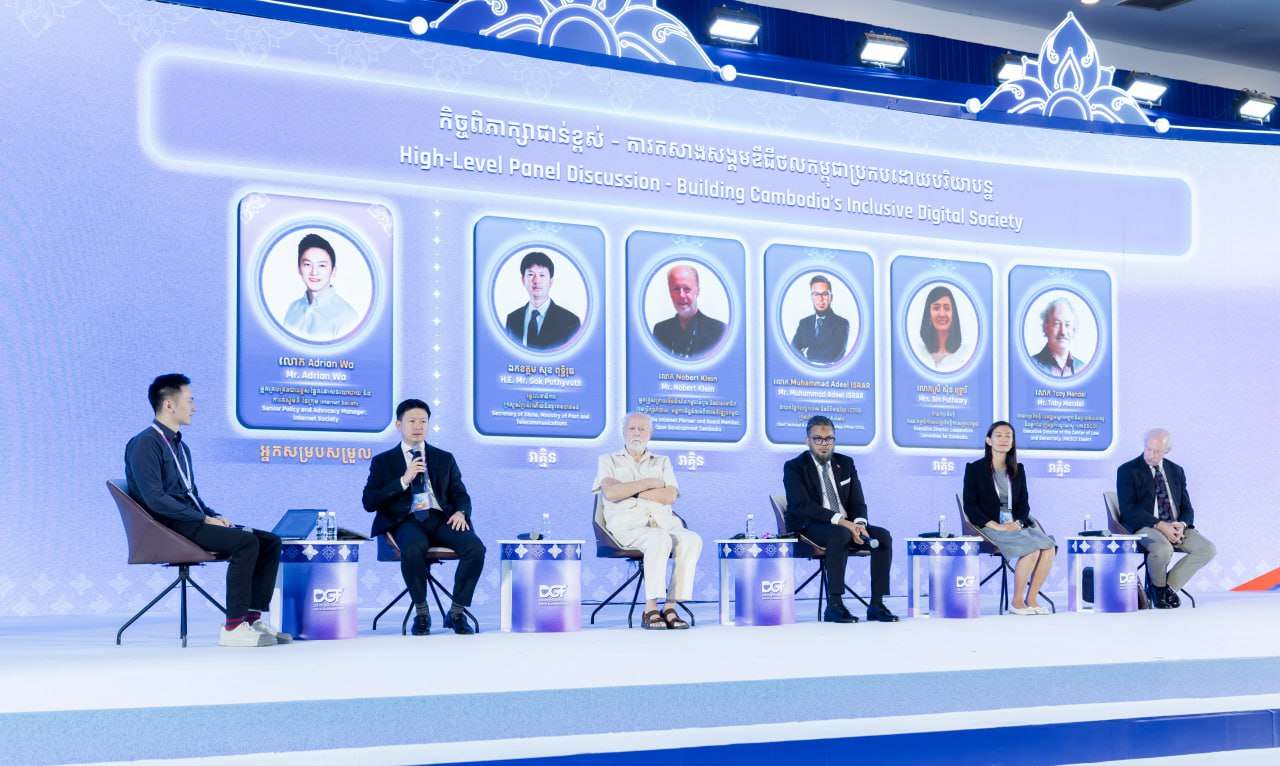
The third area of discussion focused on digital inclusion and literacy, exploring the multi-stakeholder initiatives needed to effectively empower women and youth and to equip all citizens with essential digital, media, and information literacy skills, especially as digital gaps continue to persist.
Highlighting the crucial role of CSOs in promoting inclusion, Mrs. Sin Putheary emphasized that the visions proposed by different stakeholders during the development of regulations and policies must be communicated clearly to end users, as they ultimately determine the effectiveness and relevance of government-led initiatives and measures.
Mr. Norbert Klein reflected on the origins of the Internet Governance Forum (IGF), noting that it was designed from the outset as a multi-stakeholder platform bringing together government, the private sector, technology-related businesses, and civil society. He underscored the importance of civil society in fostering inclusion and pointed out that its role is not always adequately considered during the formulation of national policy frameworks.
The fourth area of discussion focused on regional competitiveness and innovation, examining how Cambodia can cultivate a stable and predictable regulatory environment that attracts foreign investment, supports local digital entrepreneurs, and strengthens the country’s position within the regional digital economy.
Mr. Muhammad Adeel Israr summarized his views in three key points. First, building trust requires fully integrating the Cambodian context into all regulatory processes, not only considering those with high digital literacy, but also the everyday end users. Second, regulatory predictability is essential, as consistency helps strengthen trust. Finally, regarding digital adoption, he emphasized the importance of empowering ordinary users and creating space for innovation through flexible mechanisms such as regulatory sandboxes.
Mr. Toby Mendel addressed the topic by linking competitiveness to inclusion. He noted that discussions on inclusivity often focus on women, rural communities, and underserved groups, but the lens should also be broadened to include vulnerable countries like Cambodia, especially since their perspectives are not always incorporated into AI development, despite AI’s growing influence in daily life.
In closing, Mr. Adrian Wan emphasized that building an inclusive digital society in Cambodia requires a deliberate effort to close existing digital gaps. Inclusion, he noted, is not a supplementary element, but the foundation of meaningful digital transformation and achieving it demands comprehensive digital literacy and skills for all. He also underscored the essential role of sustained multi-stakeholder dialogue in driving this collective vision forward.

