ជំនួបបច្ចេកទេសស្តីពីការធ្វើផែនទី៖ ពង្រឹងចំណេះដឹងស្តីពីការធ្វើផែនទីគម្របព្រៃឈើ និងរីម៉ូតសិនស៊ីង
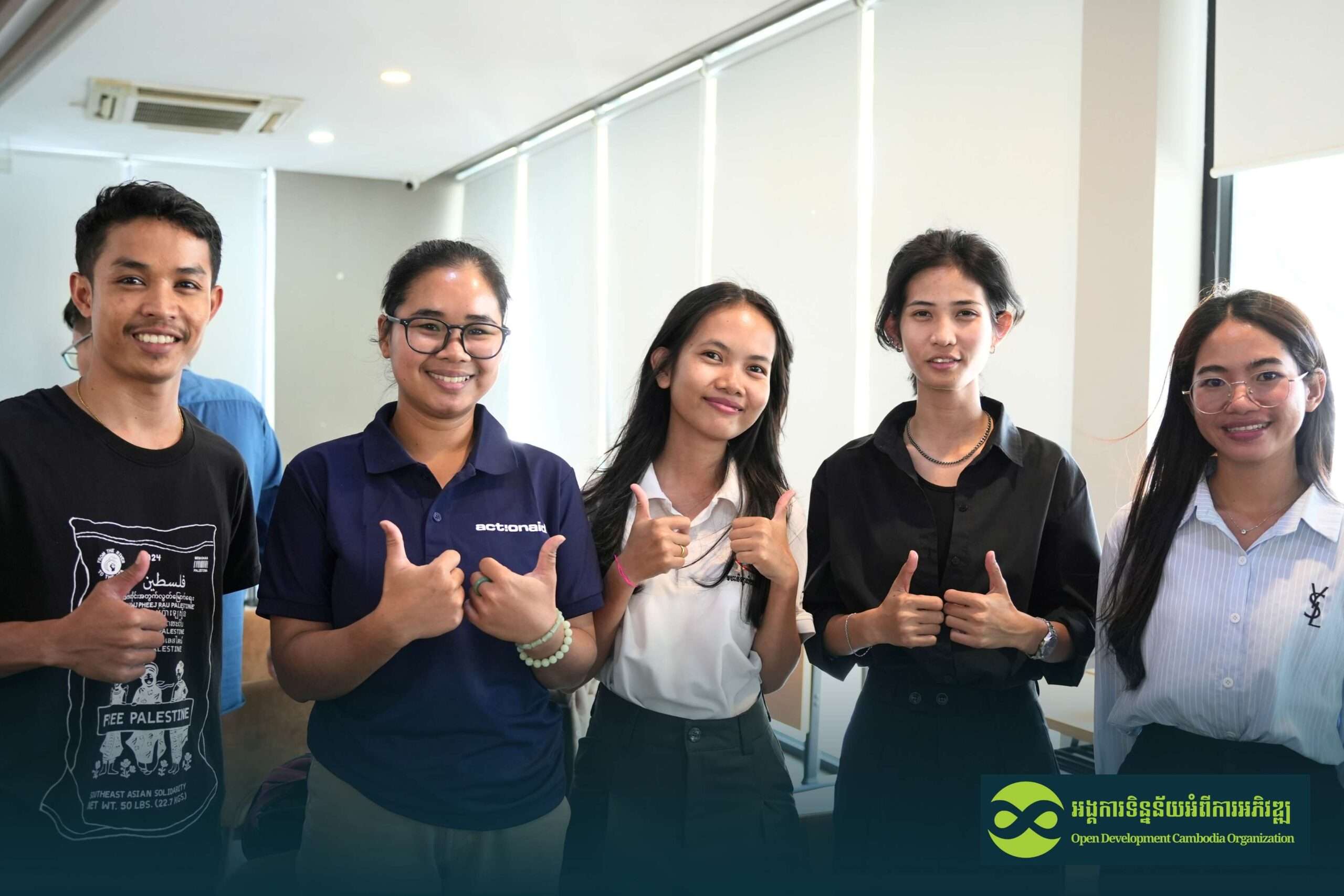
នៅថ្ងៃទី២០ ខែមីនា ឆ្នាំ២០២៦ ជំនួបបចេ្ចកទេសស្តីពីការធ្វើផែនទីត្រូវបានរៀបចំឡើងដោយជោគជ័យ ដែលមានអ្នកចូលរួមចំនួន ៣៧នាក់ (ស្ត្រី ១៩នាក់) មានសាវតារផ្សេងៗគ្នា រួមទាំងអ្នកអនុវត្តប្រព័ន្ធព័ត៌មានភូមិសាស្ត្រ តំណាងរដ្ឋាភិបាល អ្នកស្រាវជ្រាវ និស្សិត និងអ្នកចូលចិត្តធ្វើផែនទី។
ព្រឹត្តិការណ៍នេះបានផ្តល់ជាវេទិកាសហការរួមមួយដើម្បីផ្លាស់ប្តូរចំណេះដឹង និងបទពិសោធន៍ជាក់ស្តែងទាក់ទងនឹងការធ្វើផែនទីគម្របព្រៃឈើ ការត្រួតពិនិត្យព្រៃឈើ ប្រព័ន្ធព័ត៌មានភូមិសាស្ត្រ និងរីម៉ូតសិនស៊ីង នៅប្រទេសកម្ពុជា។ អ្នកចូលរួមបានចូលរួមក្នុងកិច្ចពិភាក្សា ចែករំលែកការយល់ដឹងផ្នែកបច្ចេកទេស និងស្វែងយល់ពីវិធីសាស្ត្រថ្មីៗដើម្បីគាំទ្រដល់ការគ្រប់គ្រងព្រៃឈើប្រកបដោយចីរភាព និងកិច្ចខិតខំប្រឹងប្រែងត្រួតពិនិត្យបរិស្ថាននៅក្នុងប្រទេស។
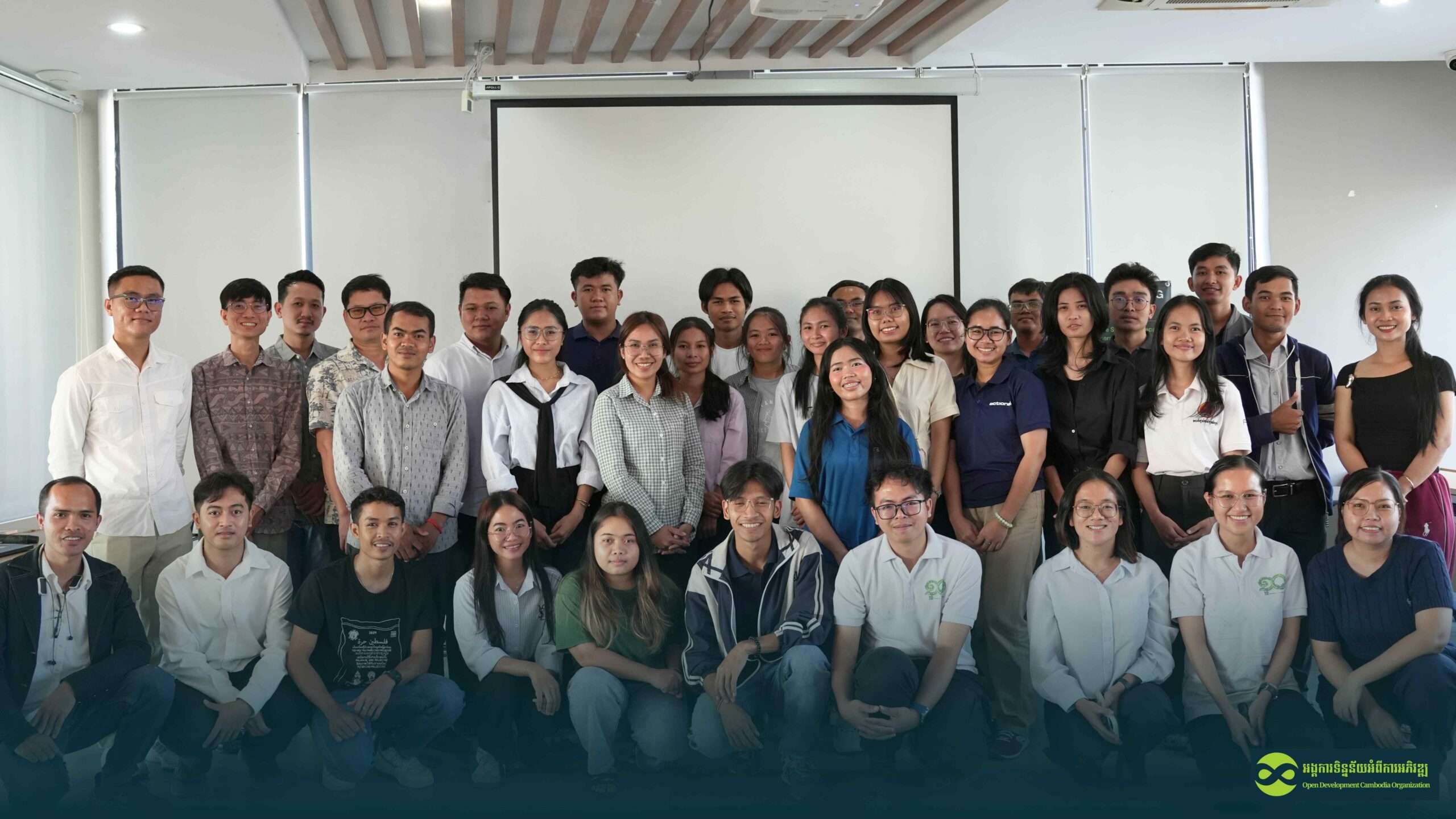
ជំនួបនេះមានគោលបំណងលើកកម្ពស់ការយល់ដឹងផ្នែកបច្ចេកទេស ក៏ដូចជាលើកទឹកចិត្តដល់ការពិភាក្សាអំពីរបៀបដែលទិន្នន័យភូមិសាស្ត្រអាចគាំទ្រដល់ការត្រួតពិនិត្យបរិស្ថាន និងការគ្រប់គ្រងធនធានប្រកបដោយចីរភាព។
ប្រព័ន្ធព័ត៌មានភូមិសាស្ត្រស្តីពីផែនទីគម្របព្រៃឈើ
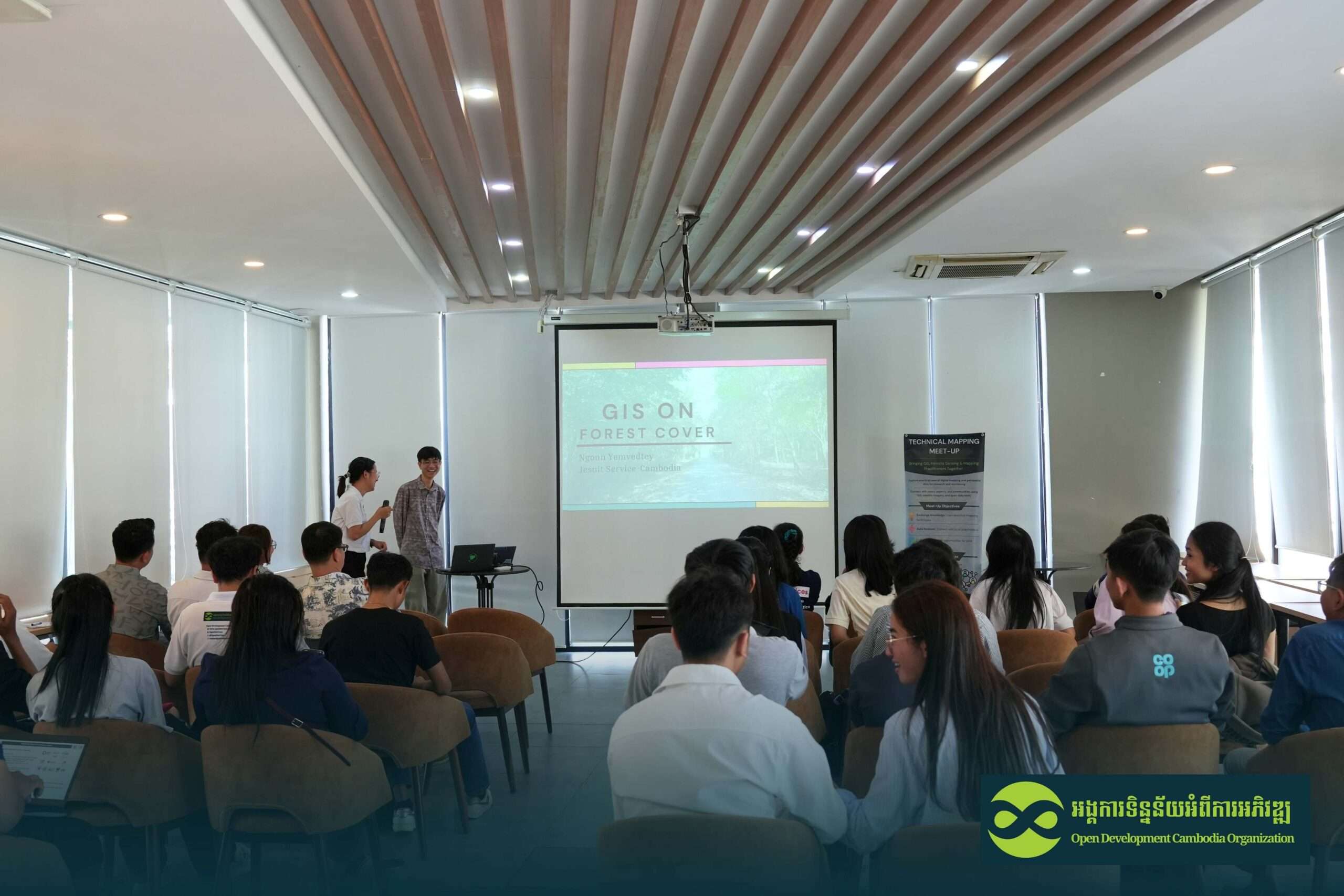
បទបង្ហាញដំបូងត្រូវបានធ្វើឡើងដោយកញ្ញា ងួន យ៉ែមវត្តី ដែលបានចែករំលែកបទពិសោធន៍ជាក់ស្តែងរបស់គាត់ក្នុងការបង្កើតផែនទីគម្របព្រៃឈើដោយប្រើប្រាស់បច្ចេកវិទ្យាប្រព័ន្ធព័ត៌មានភូមិសាស្ត្រ។
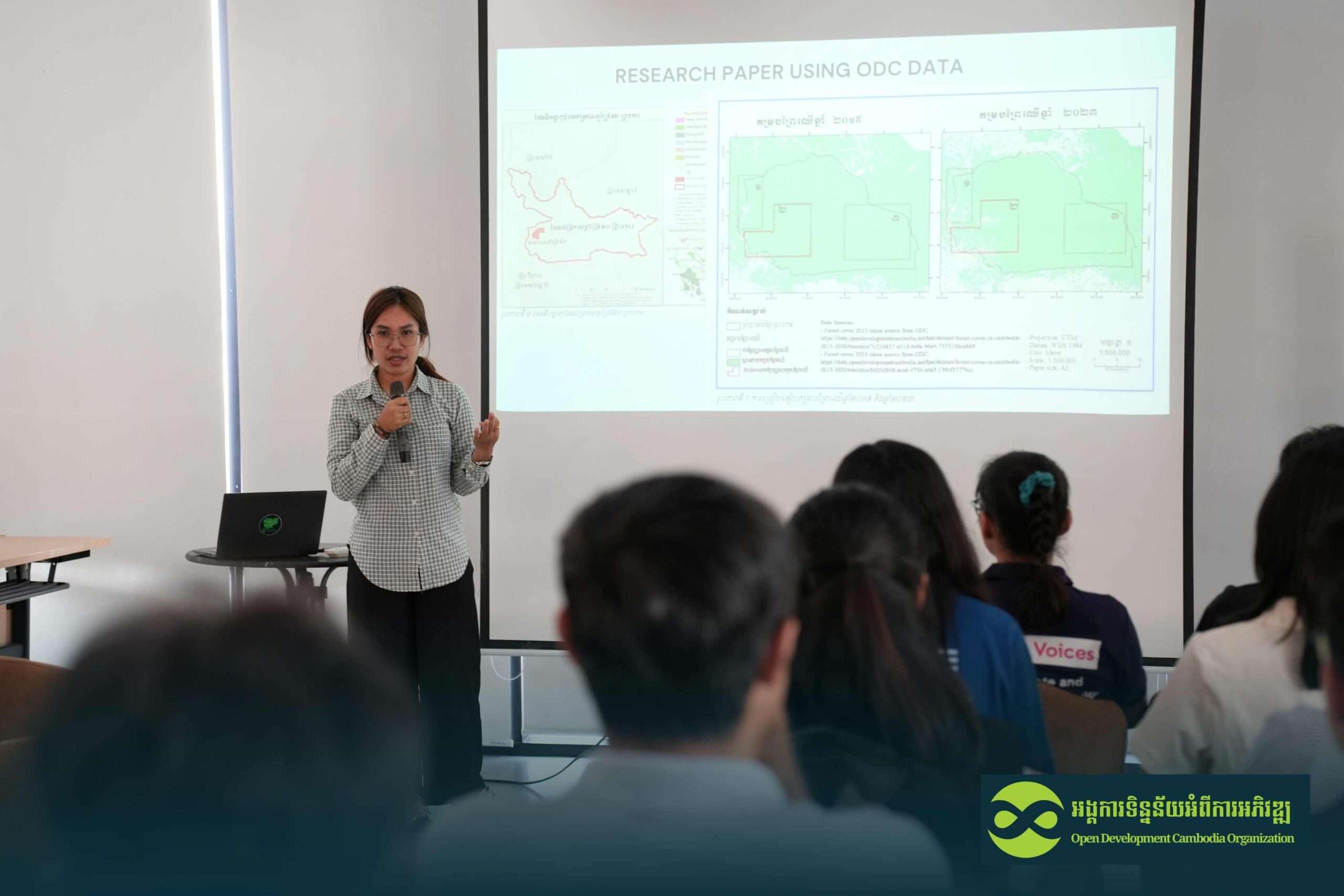
ការចែករំលែករបស់គាត់បានបង្ហាញពីវិធីសាស្ត្រធ្វើផែនទីផ្សេងៗគ្នា ដែលប្រើសម្រាប់ការវិភាគគម្របព្រៃឈើ និងបានសង្កត់ធ្ងន់លើសារៈសំខាន់នៃការជ្រើសរើសវិធីសាស្ត្រសមស្របអាស្រ័យលើតំបន់គោលដៅជាក់លាក់។ គាត់បានបង្ហាញពីវិធីសាស្ត្រដែលសំណុំទិន្នន័យគម្របព្រៃឈើរបស់អង្គការទិន្នន័យអំពីការអភិវឌ្ឍ (អូឌីស៊ី) គាំទ្រដល់សកម្មភាពស្រាវជ្រាវផែនទី និងបរិស្ថានផងដែរ។
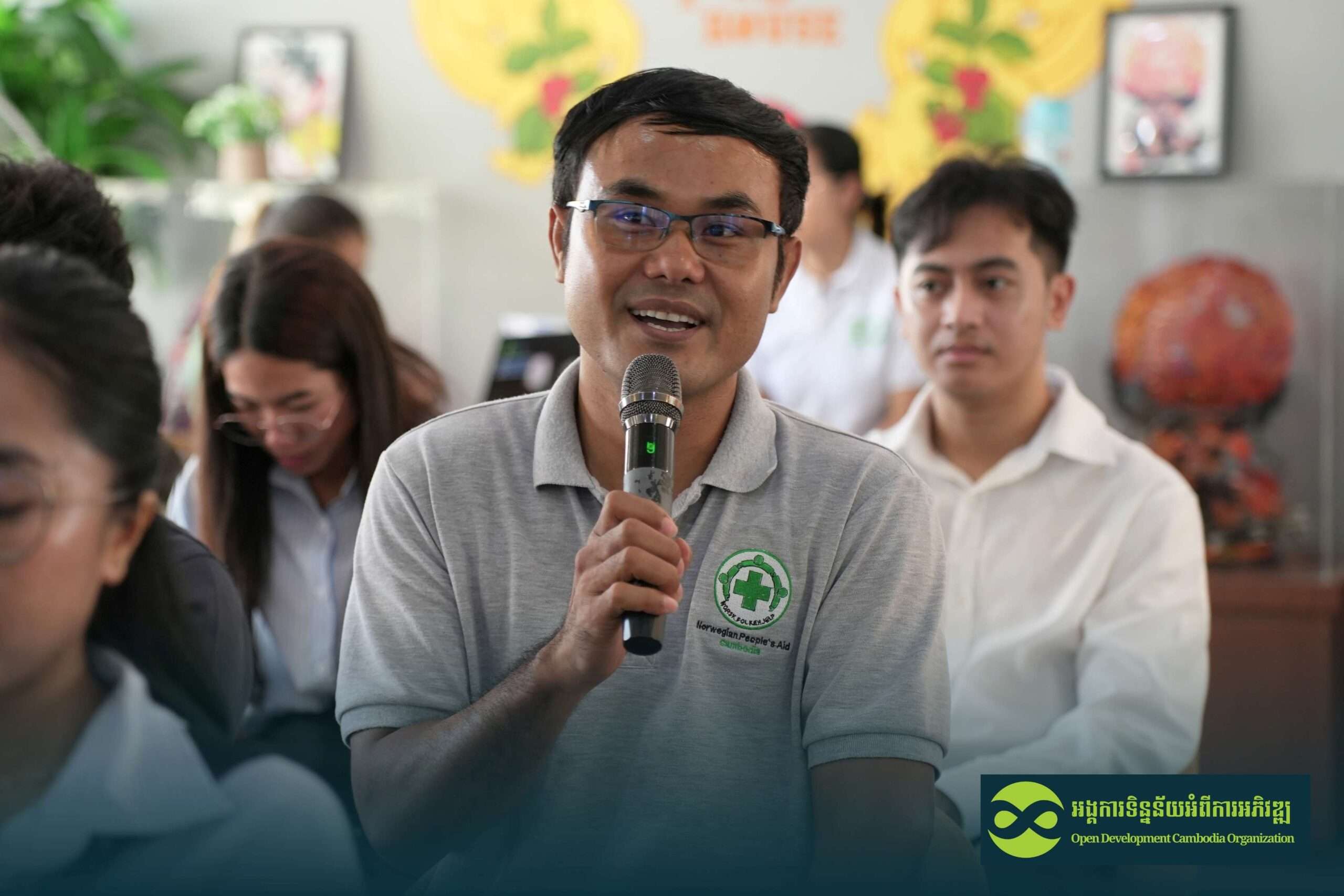
ចំណុចសំខាន់មួយទៀតនៃបទបង្ហាញរបស់គាត់ គឺការពន្យល់អំពីការផ្ទៀងផ្ទាត់ភាពជាក់ស្តែងនៅទីវាល ដែលការសង្កេតជាក់ស្តែងត្រូវបានប្រើប្រាស់ដើម្បីផ្ទៀងផ្ទាត់លទ្ធផលដែលបានគូសពីផែនទី។ គាត់ក៏បានបង្ហាញថា ការផ្ទៀងផ្ទាត់សំណុំទិន្នន័យបន្ទាប់បន្សំជាមួយនឹងទិន្នន័យទីវាលជាក់ស្តែងអាចឱ្យផែនទីមានភាពត្រឹមត្រូវ និងជឿជាក់បានមួយកម្រិតទៀត។
ការប្រើប្រាស់ប្រព័ន្ធព័ត៌មានភូមិសាស្ត្រ និងរីម៉ូតសិនស៊ីងសម្រាប់ការត្រួតពិនិត្យបរិស្ថាននៅកម្ពុជា
បទបង្ហាញទីពីរបានបង្ហាញដោយលោក ពៅ កក្កដា អ្នកស្រាវជ្រាវ និងជាសាស្ត្រាចារ្យនៅវិទ្យាស្ថានបច្ចេកវិទ្យាកម្ពុជា។
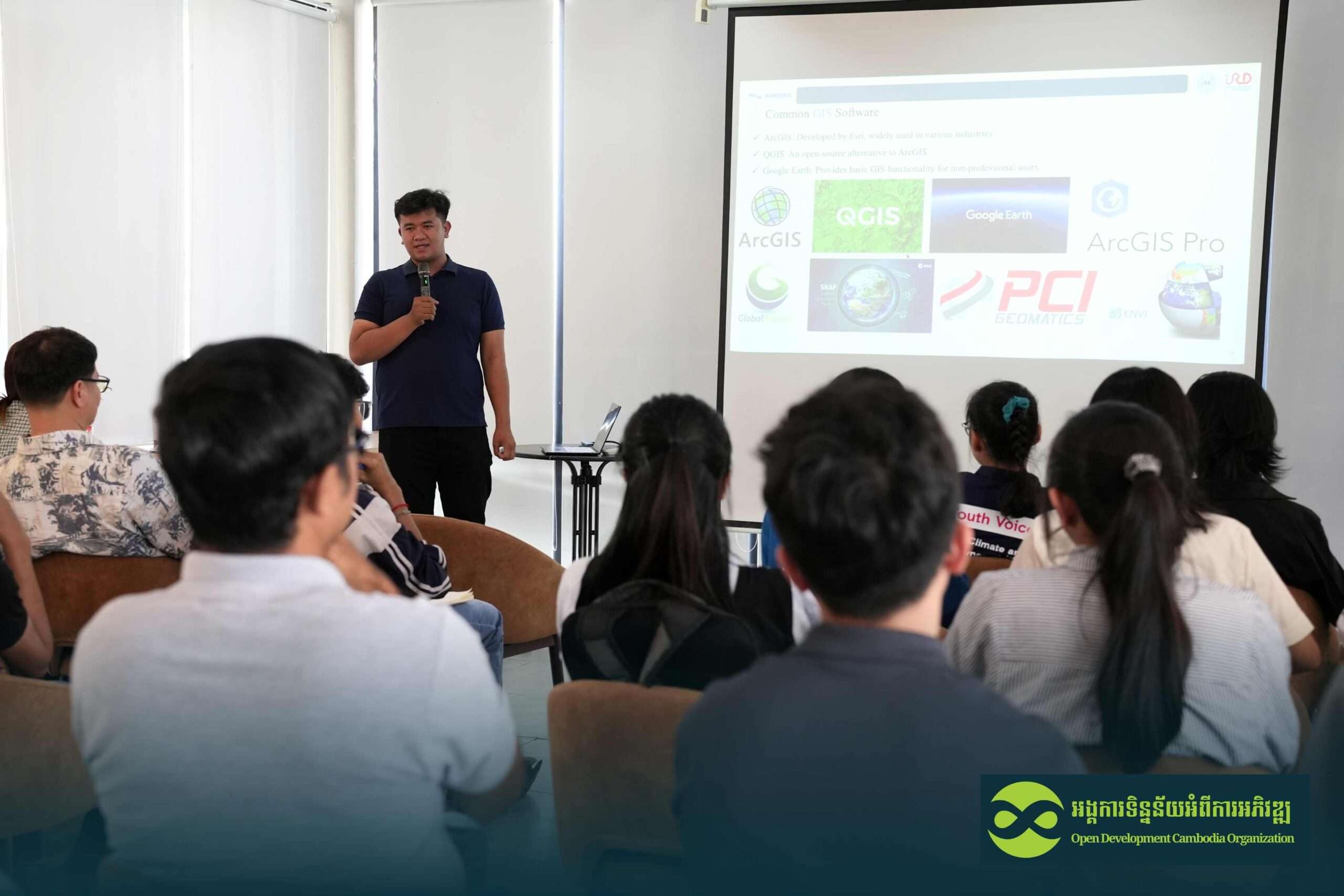
បទបង្ហាញរបស់គាត់បានចែករំលែកអ្នកចូលរួមអំពីគោលគំនិតជាមូលដ្ឋាននៃការប្រើប្រាស់ទិន្នន័យដីធ្លី និងគម្របដី និងវិធីសាស្ត្រសម្រាប់វិភាគការផ្លាស់ប្តូរបរិស្ថានតាមពេលវេលា។ អ្នកចូលរួមទទួលបានការយល់ដឹងកាន់តែច្បាស់អំពីរចនាសម្ព័ន្ធទិន្នន័យភូមិសាស្ត្រ រួមមានទិន្នន័យវ៉ិចទ័រ និងទិន្នន័យរ៉ាស្ទ័រ។
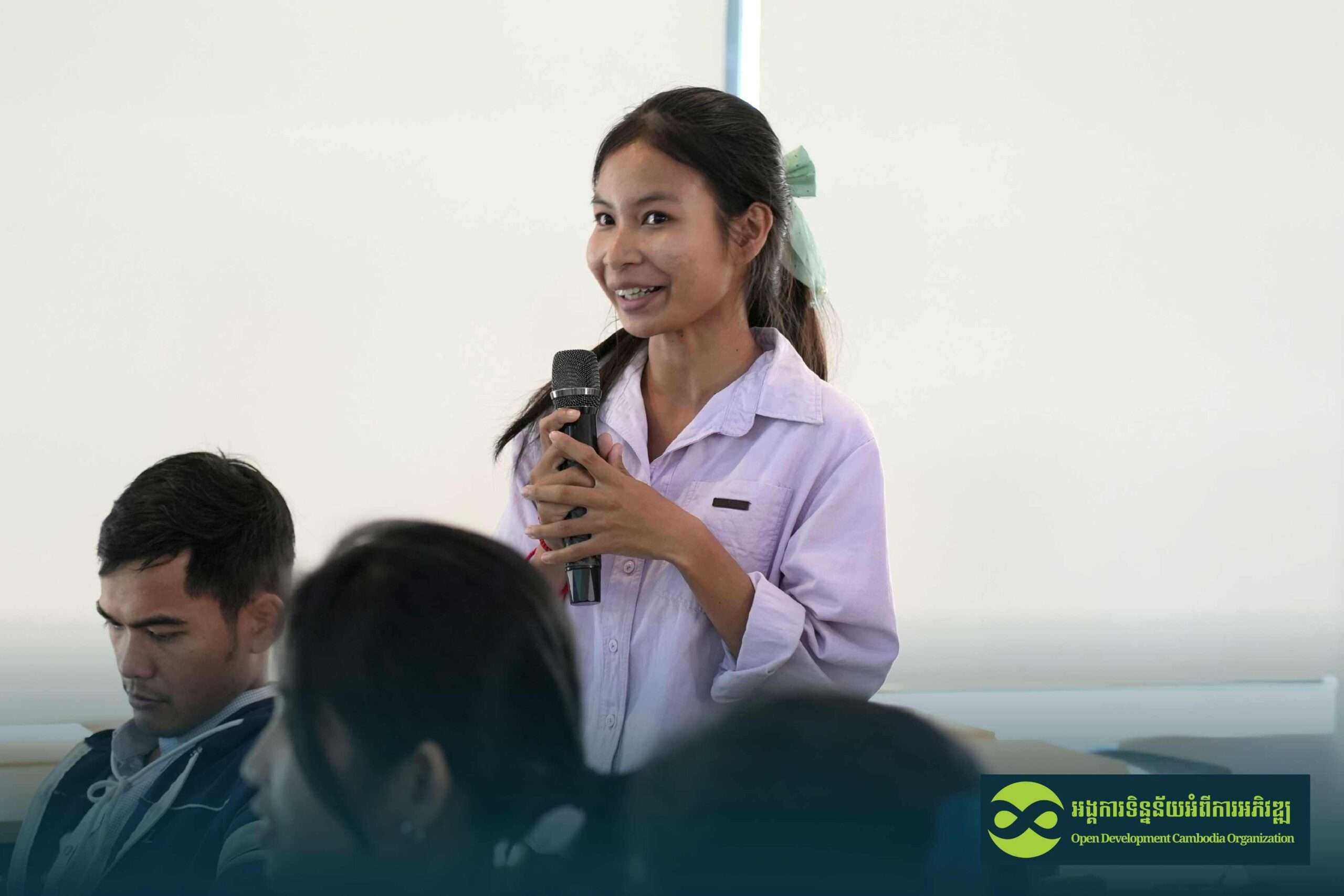
គាត់ក៏បានពន្យល់ពីគោលការណ៍រីម៉ូតសិនស៊ីង និងការប្រើប្រាស់រូបភាពផ្កាយរណបដើម្បីគាំទ្រដល់ការត្រួតពិនិត្យព្រៃឈើ និងការវាយតម្លៃបរិស្ថាននៅទូទាំងប្រទេសកម្ពុជា។
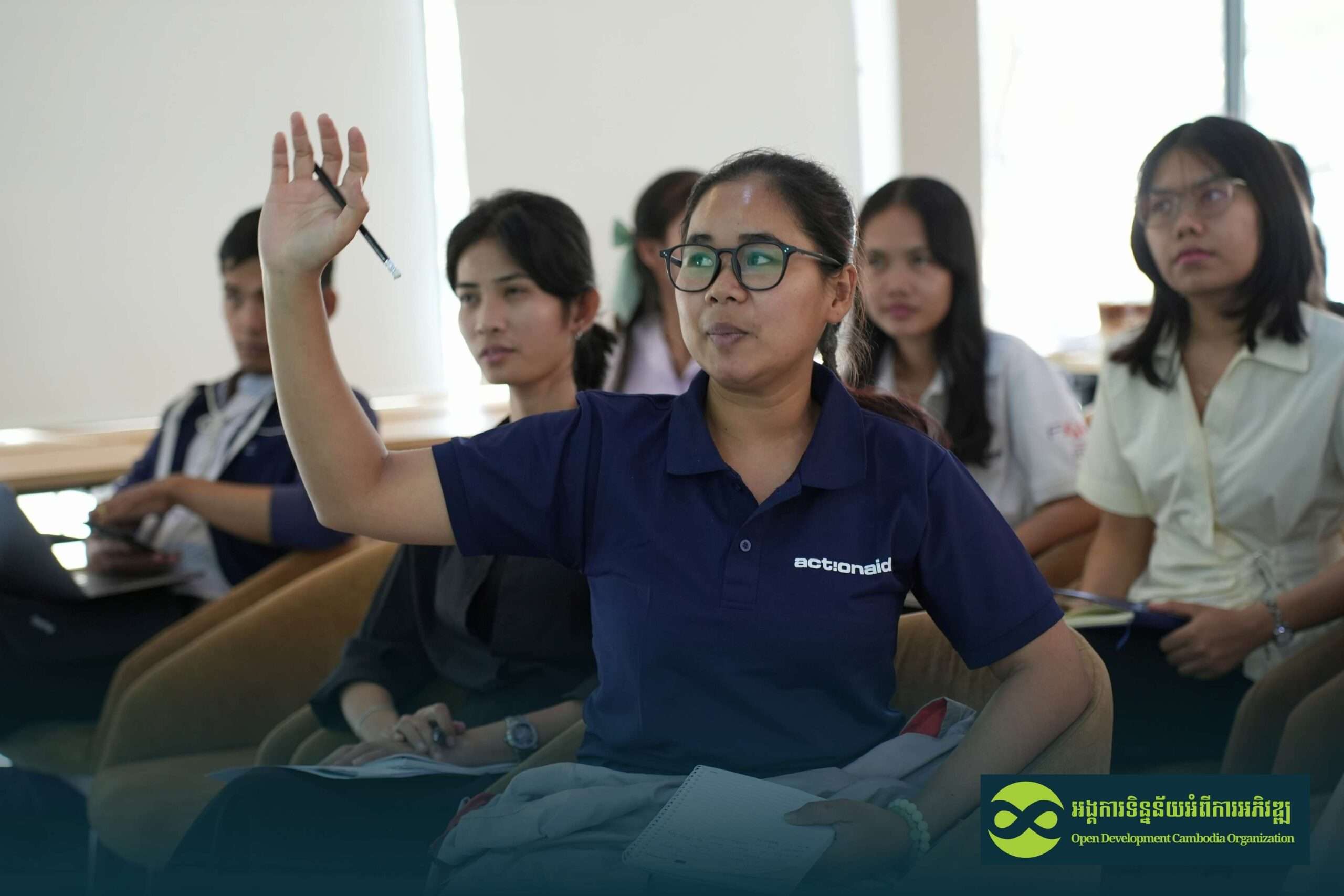
បទបង្ហាញនេះបានប្រៀបធៀបជម្រើសកម្មវិធីប្រព័ន្ធព័ត៌មានភូមិសាស្ត្រផ្សេងៗគ្នា រួមទាំងកម្មវិធីបើកទូលាយ និងត្រូវការអាជ្ញាប័ណ្ណប្រើប្រាស់។ ឧទាហរណ៍មួយដែលបានពិភាក្សាគឺ ENVI ដែលជាកម្មវិធីឯកទេសដែលត្រូវបានប្រើជាទូទៅសម្រាប់ដំណើរការរូបភាពកម្រិតខ្ពស់ដូចជាការលុបពពក ដែលតម្លៃអាជ្ញាប័ណ្ណមានតម្លៃខ្ពស់។
ការពិភាក្សា និងសំណួរសំខាន់ៗរបស់អ្នកចូលរួម
ជំនួបបានបញ្ចប់ដោយមានការពិភាក្សាយ៉ាងផុសផុល អ្នកចូលរួមបានលើកឡើងនូវសំណួរយ៉ាងសកម្ម និងចែករំលែកទស្សនៈរបស់ពួកគេ។
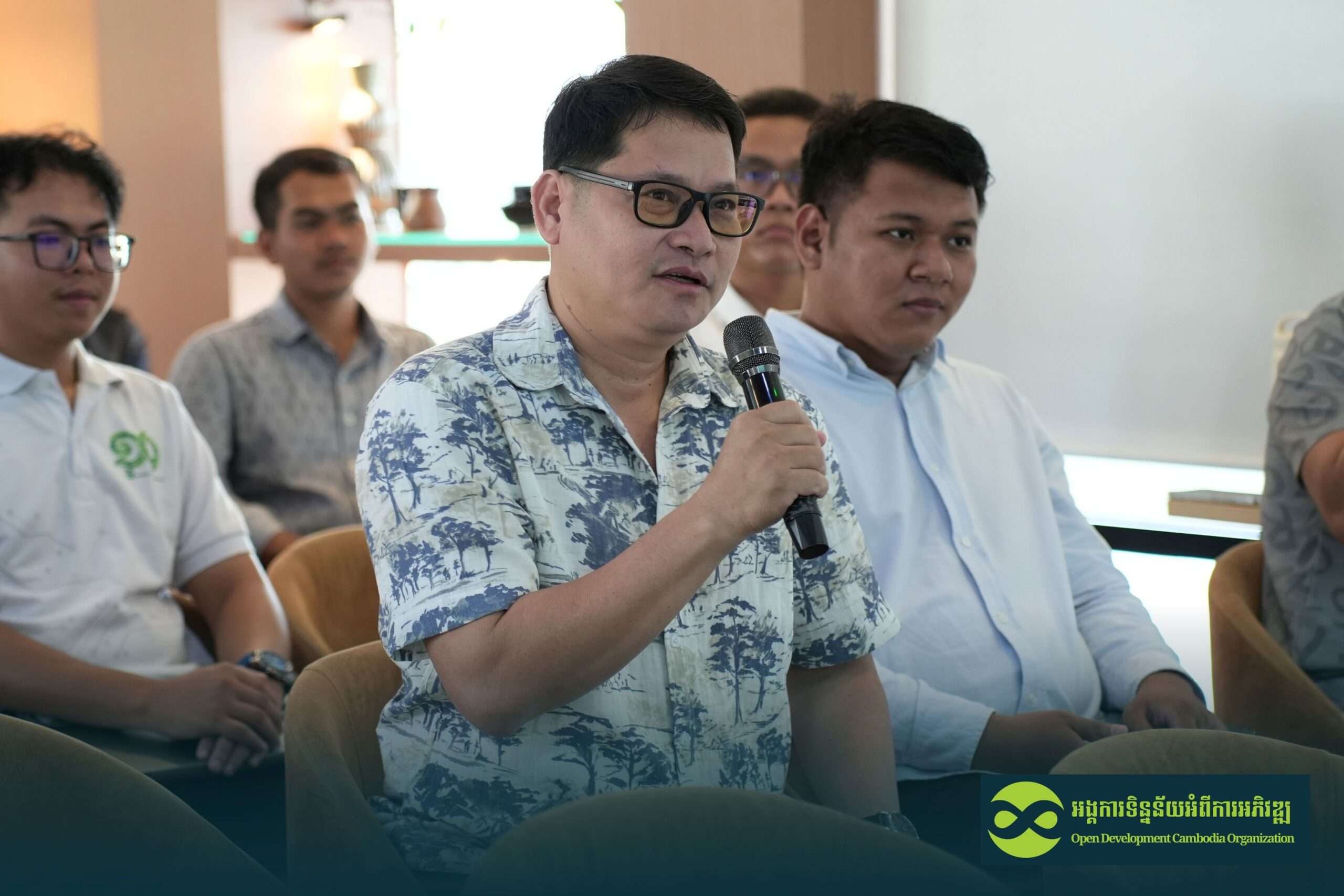
អ្នកចូលរួមជាច្រើនចាប់អារម្មណ៍ក្នុងការយល់ដឹងអំពី៖
- វិធីសាស្ត្រដែលប្រើដើម្បីវិភាគការផ្លាស់ប្តូរគម្របព្រៃឈើ
- សារៈសំខាន់នៃការធ្វើការស្ទង់មតិការពិតជាក់ស្តែង
- ភាពញឹកញាប់នៃទិន្នន័យការប្រើប្រាស់ដីធ្លី និងគម្របដីគួរតែត្រូវបានធ្វើបច្ចុប្បន្នភាព
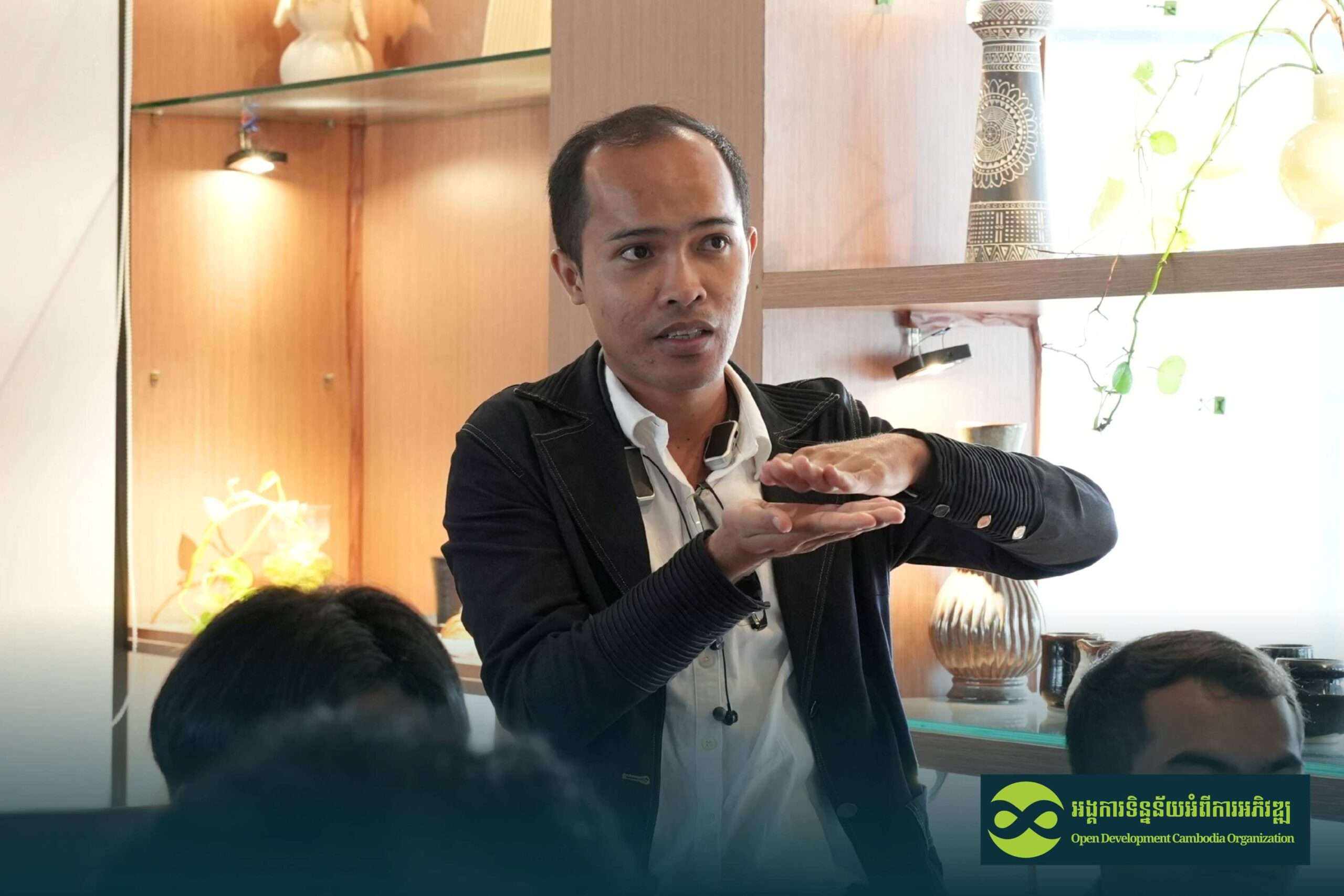
សំណួរមួយចំនួនទៀតពាក់ព័ន្ធនឹងសំណុំទិន្នន័យភូមិសាស្ត្រដែលទាក់ទងនឹងខ្សែបន្ទាត់ព្រំដែនផងដែរ។ ការពិភាក្សាទាំងនេះត្រូវបានទទួលស្គាល់ថាមានលក្ខណៈរសើប ដោយសារព័ត៌មានព្រំដែនពាក់ព័ន្ធនឹងយុត្តាធិការផ្លូវការ និងអាជ្ញាធរជាតិ។ វាគ្មិនបានសង្កត់ធ្ងន់ថា បញ្ហាបែបនេះគួរត្រូវបានដោះស្រាយដោយស្ថាប័នរដ្ឋាភិបាលពាក់ព័ន្ធ និងបានបញ្ជាក់ពីសារៈសំខាន់នៃការបកស្រាយដោយប្រុងប្រយ័ត្ន និងការប្រើប្រាស់ទិន្នន័យភូមិសាស្ត្រប្រកបដោយការទទួលខុសត្រូវ។
មតិវិជ្ជមាន និងទិសដៅអនាគត
អ្នកចូលរួមបានសម្តែងការកោតសរសើរយ៉ាងខ្លាំងចំពោះជំនួបបច្ចេកទេសស្តីពីការធ្វើផែនទីនេះ ដោយកត់សម្គាល់ថា៖
- បទបង្ហាញមានភាពច្បាស់លាស់ ជាក់ស្តែង និងផ្តល់ព័ត៌មានគ្រប់គ្រាន់
- បទពិសោធន៍ពិតដែលបានចែករំលែកដោយវាគ្មិន បានបង្កើនការយល់ដឹង និងរៀនសូត្របន្ថែម
- វគ្គស្តីពីទ្រឹស្តីប្រព័ន្ធព័ត៌មានភូមិសាស្ត្រ ប្រភេទទិន្នន័យភូមិសាស្ត្រ និងរីម៉ូតសិនស៊ីងបានពង្រឹងការយល់ដឹងផ្នែកបច្ចេកទេស
ការពិភាក្សាលើជម្រើសកម្មវិធីបានជួយអ្នកចូលរួមពិចារណាថាតើគួរប្រើប្រាស់ឧបករណ៍សមស្របតាមថវិកាដែលមាន
អ្នកចូលរួមភាគច្រើនក៏បានយល់ស្របផងដែរថា ការរៀបចំកិច្ចប្រជុំនៅរសៀលថ្ងៃសុក្រគឺងាយស្រួល ដែលផ្តល់ពេលវេលាគ្រប់គ្រាន់សម្រាប់ការចូលរួម និងការចូលរួមយ៉ាងសកម្ម។ ដោយផ្អែកលើមតិទាំងនេះ ជំនួបបច្ចេកទេសស្តីពីការធ្វើផែនទីនាពេលអនាគតទំនងជានឹងបន្តរៀបចំតាមកាលវិភាគដដែរ។
មតិបិទកម្មវិធី និងគោលដៅបន្ត
លោកស្រី គឹម ឈួនវួច អ្នកសម្របសម្រួលគម្រោងការគ្រប់គ្រងធនធានធម្មជាតិនៃអង្គការអូឌីស៊ី បានថ្លែងអំណរគុណចំពោះវាគ្មិន និងអ្នកចូលរួមទាំងអស់ចំពោះការចូលរួមយ៉ាងសកម្ម និងការរួមចំណែកដ៏មានតម្លៃរបស់ពួកគាត់។ ភាពជោគជ័យនៃព្រឹត្តិការណ៍នេះបង្ហាញពីចំណាប់អារម្មណ៍កាន់តែខ្លាំងឡើងលើការងារផែនទី ប្រព័ន្ធព័ត៌មានភូមិសាស្ត្រ ការត្រួតពិនិត្យព្រៃឈើ និងការគ្រប់គ្រងបរិស្ថាននៅប្រទេសកម្ពុជា។
ជំនួបបច្ចេកទេសស្តីពីការធ្វើផែនទីនាពេលអនាគតនឹងបន្តផ្តល់វេទិកាសហការសម្រាប់ការចែករំលែកចំណេះដឹង ការរៀនសូត្របច្ចេកទេស និងការប្រើប្រាស់ទិន្នន័យភូមិសាស្ត្រដោយទំនួលខុសត្រូវ ដើម្បីគាំទ្រដល់ការអភិវឌ្ឍប្រកបដោយចីរភាព និងការការពារបរិស្ថាន។

