គម្លាតជំនាញឌីជីថល៖ របៀបដែលបញ្ញាសិប្បនិម្មិត (AI) កំពុងកំណត់អនាគតនៃអាជីព
ស្របពេលដែលប្រទេសកម្ពុជាកំពុងបន្តឆ្ពោះទៅរកអនាគតឌីជីថល ជាពិសេសជាមួយនឹងក្របខណ្ឌគោលនយោបាយសេដ្ឋកិច្ច និងសង្គមឌីជីថលកម្ពុជា ឆ្នាំ២០២១-២០៣៥ ក្នុងគោលបំណងកសាងសេដ្ឋកិច្ច និងសង្គមឌីជីថលដ៏រស់រវើក កិច្ចពិភាក្សានេះបានពិភាក្សាអំពី «គម្លាតជំនាញឌីជីថល៖ របៀបដែលបញ្ញាសិប្បនិម្មិត (AI) កំពុងកំណត់អនាគតនៃអាជីព» ដោយបានអញ្ជើញអ្នកជំនាញមកពីបណ្ឌិត្យសភា វិស័យឯកជន និងតំណាងមកពីសហគមន៍ជនជាតិដើមភាគតិច ដើម្បីបង្ហាញពីរបៀបដែលបញ្ញាសិប្បនិម្មិត (AI) កំពុងកែទម្រង់ជំនាញ ឱកាស និងបញ្ហាប្រឈមសម្រាប់យុវជនទូទាំងប្រទេស។
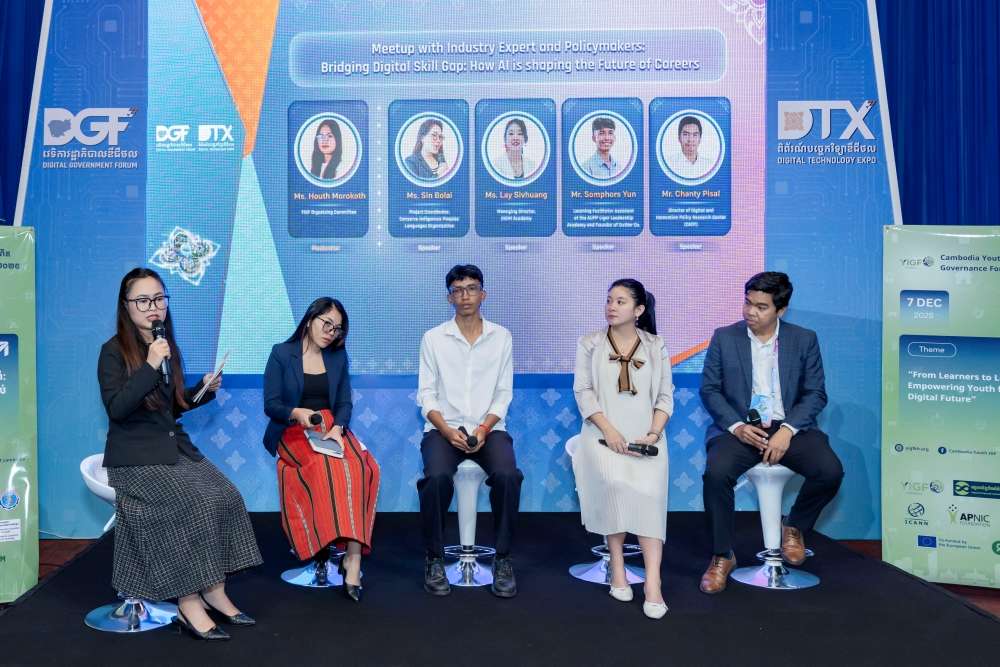
កិច្ចពិភាក្សានេះសម្របសម្រួលដោយកញ្ញា ហួត មរកត គណៈកម្មាធិការរៀបចំវេទិកាអភិបាលកិច្ចអ៊ីនធឺណិតសម្រាប់យុវជនកម្ពុជា ដោយមានការចូលរួមពីលោកស្រី ស៊ីន បូឡៃ អ្នកសម្របសម្រួលគម្រោងរបសអង្គការថែរក្សាភាសាជនជាតិដើមភាគតិច (CIPL) លោកស្រី ឡាយ ស៊ីវហួង នាយិកាគ្រប់គ្រង DICHI Academy លោក យន់ សម្ភស្ស ជំនួយការសម្របសម្រួលការសិក្សានៅ សាលារៀនអេយូភីភីឡៃហ្គឺ លីឌឺហ្សីបអាកាឌឺមី និងជាស្ថាបនិកក្រុមហ៊ុន OUTLIER CO. និងលោក ចាន់ទី ពិសាល ប្រធានមជ្ឍមណ្ឌលស្រាវជ្រាវគោលនយោបាយឌីជីថល នៃបណ្ឌិត្យសភាបច្ចេកវិទ្យាឌីជីថលកម្ពុជា (CADT) ដែលការយល់ដឹងរួមគ្នាបង្ហាញឱ្យឃើញច្បាស់ថា ការចាប់យកឧបករណ៍ឌីជីថលលែងជាជម្រើសទៀតហើយ តែជាការចាំបាច់ណាស់សម្រាប់ភាពជោគជ័យនៅក្នុងពិភពដ៏ជឿនលឿននេះ។
បច្ចេកវិទ្យាបានក្លាយជាផ្នែកមួយនៃជីវភាពប្រចាំថ្ងៃរបស់ប្រជាជនកម្ពុជា ចាប់តាំងពីស្មាតហ្វូន (Smartphones) និងវ៉ាយហ្វាយ (Wi-Fi) រហូតដល់ឧបករណ៍បញ្ញាសិប្បនិម្មិត (AI) ទំនើបៗ។ លោក ចាន់ទី ពិសាល បានសង្កត់ធ្ងន់ពីរបៀបដែលបច្ចេកវិទ្យាទាំងនេះកំពុងជំរុញភាពច្នៃប្រឌិត ការកែលម្អការប្រាស្រ័យទាក់ទង និងការពង្រីកកំណើនសេដ្ឋកិច្ច។ លោកបានកត់សម្គាល់ថា នៅពេលដែលឧបករណ៍ឌីជីថលមានការវិវត្ត ពួកគេកំពុងផ្លាស់ប្តូរជាមូលដ្ឋាននូវរបៀបដែលយុវជនរៀន ធ្វើការ និងដោះស្រាយបញ្ហា។ លោក យន់ សម្ភស្ស បានបញ្ជាក់ថា ជាមួយនឹងបញ្ញាសិប្បនិម្មិត (AI) ដែលអនុញ្ញាតឱ្យមានការបង្កើតគំរូលឿនជាងមុន ការទទួលបានចំណេះដឹងជាសកល និងការពិសោធន៍ច្នៃប្រឌិត យុវជនឥឡូវនេះមានឱកាសច្រើនជាងពេលណាៗទាំងអស់ក្នុងការនាំយកគំនិតមកប្រើប្រាស់ប្រចាំជិវិតបាន បើទោះបីគ្មានក្រុមធំ ឬធនធានថ្លៃក៏ដោយ។
ទោះជាយ៉ាងណាក៏ដោយ ខណៈពេលដែលបញ្ញាសិប្បនិម្មិត (AI) នាំមកនូវការសន្យា នៅពេលនោះក៏បង្ហាញពីគម្លាតជំនាញដែលកំពុងកើនឡើងផងដែរ។ លោកស្រី ឡាយ ស៊ីវហួង បានសង្កត់ធ្ងន់ថា អក្ខរកម្មឌីជីថលនៅតែជាមូលដ្ឋានគ្រឹះសម្រាប់ការប្រើប្រាស់បញ្ញាសិប្បនិម្មិត (AI) ប្រកបដោយអត្ថន័យ។ ការដឹងពីរបៀបសួរសំណួរល្អៗ ផ្ទៀងផ្ទាត់លទ្ធផល និងអនុវត្តបញ្ញាសិប្បនិម្មិត (AI) ប្រកបដោយទំនួលខុសត្រូវ គឺមានសារៈសំខាន់ណាស់។ ហើយប្រសិនបើគ្មានជំនាញទាំងនេះទេ អត្ថប្រយោជន៍នៃបច្ចេកវិទ្យាមិនអាចសម្រេចបានពេញលេញនោះទេ។ ការព្រួយបារម្ភមួយដែលបានលេចឡើងម្តងហើយម្តងទៀតនោះ គឺឧបសគ្គនៃការប្រើប្រាស់ភាសារបស់ប្រទេសកម្ពុជា។ លោកស្រី ស៊ីន បូឡៃ បានចង្អុលបង្ហាញថា ជំនាញភាសាអង់គ្លេសគឺនៅមានកម្រិត ដែលបានរារាំងយុវជនជាច្រើនពីការចូលប្រើប្រាស់ធនធានអនឡាញជាសកល ដែលជារឿយៗនាំឱ្យមានការប្រើប្រាស់ឧបករណ៍ឌីជីថលខុស។ ការពង្រឹងការអប់រំឌីជីថលនៅក្នុងស្រុក និងការបង្កើតធនធានជាភាសាខ្មែរត្រូវបានកំណត់ថាជាជំហានសំខាន់ ដើម្បីកាត់បន្ថយវិសមភាពនេះ។
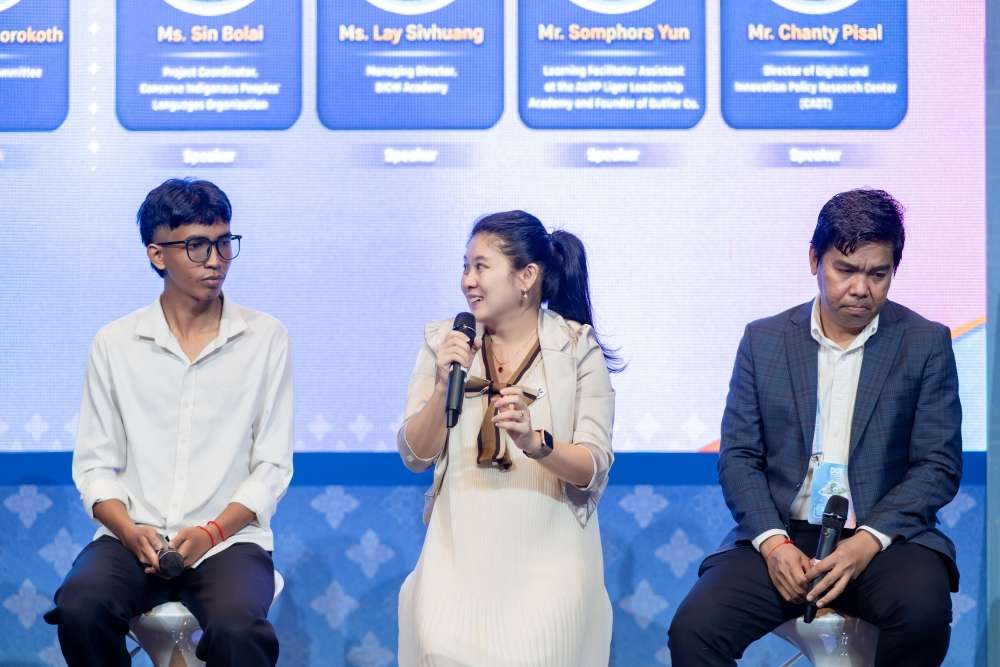
ទន្ទឹមនឹងឱកាស ក៏មានហានិភ័យផងដែរ។ លោកស្រី ស៊ីន បូឡៃ បានជំរុញឱ្យយុវជនមិនត្រឹមតែរៀនពីរបៀបប្រើប្រាស់បញ្ញាសិប្បនិម្មិត (AI) ឱ្យមានប្រសិទ្ធភាពប៉ុណ្ណោះទេ ប៉ុន្តែក៏ត្រូវរៀនពីរបៀបជៀសវាងគ្រោះថ្នាក់ដែលអាចកើតមានផងដែរ ដូចជាព័ត៌មានមិនពិត ការបំពានឯកជនភាព ឬការពឹងផ្អែកមិនល្អលើឧបករណ៍ស្វ័យប្រវត្តិ។ លោក ចាន់ទី ពិសាល តាមទស្សនៈសិក្សា បានសង្កត់ធ្ងន់ថា ការយល់ដឹងអំពីសន្តិសុខសាយប័រ រួមទាំងការការពារគណនីអនឡាញ ការទទួលស្គាល់ការប៉ុនប៉ងលួចបន្លំ និងការការពារទិន្នន័យផ្ទាល់ខ្លួន ត្រូវបានគូសបញ្ជាក់ថាជាជំនាញដ៏សំខាន់មួយសម្រាប់ការធ្វើដំណើរទៅកាន់ពិភពលោកដែលមានទំនាក់ទំនងកាន់តែខ្លាំងឡើង។ សិក្ខាសាលា វគ្គបណ្តុះបណ្តាល និងកម្មវិធីយល់ដឹង ត្រូវបានលើកទឹកចិត្តថាជាវិធីជាក់ស្តែង ដើម្បីបង្កើតទម្លាប់ឌីជីថលដែលមានសុវត្ថិភាព និងមានការយល់ដឹងបន្ថែមទៀត។
កិច្ចពិភាក្សាក៏បានសង្កត់ធ្ងន់លើសារៈសំខាន់នៃគោលនយោបាយប្រកបដោយបរិយាបន្ន។ លោកស្រី ឡាយ ស៊ីវហួង បានចង្អុលបង្ហាញពីភាពផ្ទុយគ្នាយ៉ាងខ្លាំងរវាងការចូលប្រើប្រាស់ឌីជីថលនៅក្នុងទីក្រុងភ្នំពេញ និងសហគមន៍ជនបទ។ ដើម្បីបិទគម្លាតនេះ លោកស្រីបានផ្តល់អនុសាសន៍ឱ្យផ្តល់អាទិភាពដល់តំបន់ដែលមិនទាន់ទទួលបានសេវា ជាមួយនឹងហេដ្ឋារចនាសម្ព័ន្ធឌីជីថលកាន់តែប្រសើរ កម្មវិធីអប់រំដែលអាចចូលដំណើរការបាន និងឱកាសដែលជំរុញឱ្យមានការចង់ដឹងចង់ឃើញ និងទំនុកចិត្តលើបច្ចេកវិទ្យា។ ការអភិវឌ្ឍទេពកោសល្យរយៈពេលវែងតាមរយៈការណែនាំ គម្រោងអនុវត្តផ្ទាល់ និងការបណ្តុះបណ្តាលជាប្រចាំ ត្រូវបានគូសបញ្ជាក់ថាជាគន្លឹះក្នុងការរៀបចំយុវជនសម្រាប់អាជីពនាពេលអនាគត។
កិច្ចខិតខំប្រឹងប្រែងរបស់រាជរដ្ឋាភិបាលក៏ត្រូវបានកត់សម្គាល់ផងដែរ ជាពិសេសគំនិតផ្តួចផ្តើមដែលមានគោលបំណងពង្រីកលទ្ធភាពទទួលបានការអប់រំស្មើភាពគ្នា។ ទាំងនេះរួមមានអាហារូបករណ៍ដែលផ្តល់មូលនិធិឧបត្ថម្ភពេញលេញ ប្រាក់កម្ចីអប់រំដែលមានការប្រាក់សូន្យ ការចែកចាយឧបករណ៍ឌីជីថលដល់សិស្សដែលត្រូវការជំនួយ និងការគាំទ្រយ៉ាងមុតមាំសម្រាប់យុវជនដែលមានពិការភាព។ តាមរយៈការកាត់បន្ថយឧបសគ្គផ្នែកហិរញ្ញវត្ថុ និងរាងកាយ គោលនយោបាយទាំងនេះមានគោលបំណងធានាថាយុវជនទាំងអស់ ដោយមិនគិតពីសាវតារនោះទេ អាចចូលរួមក្នុងសេដ្ឋកិច្ចឌីជីថលដែលកំពុងរីកចម្រើនយ៉ាងឆាប់រហ័សនេះ។
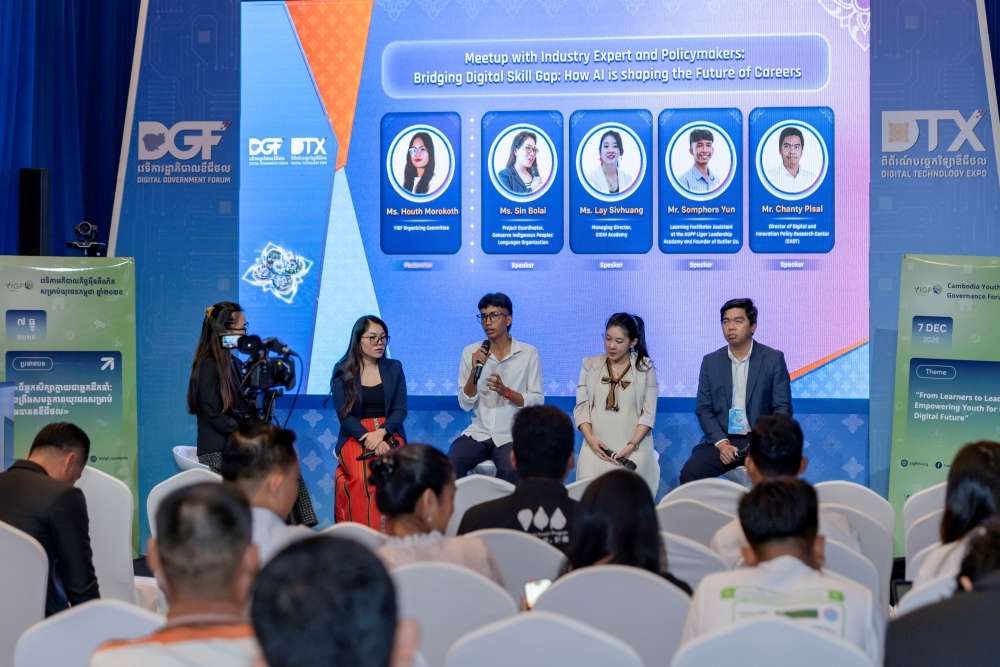
ក្រៅពីស្ថាប័ននានា លោក យន់ សម្ភស្ស និងលោកស្រី ស៊ីន បូឡៃ បានសង្កត់ធ្ងន់អំពីតួនាទីរៀងៗខ្លួនរបស់យុវជន និងសហគមន៍ជនជាតិភាគតិចផ្ទាល់។ យុវជនដែលមានចំណេះដឹងឌីជីថលជាមូលដ្ឋានស្រាប់ ត្រូវបានលើកទឹកចិត្តឱ្យគាំទ្រដល់មិត្តភក្តិរបស់ពួកគេ ជាពិសេសនៅក្នុងសហគមន៍ដែលខ្វះខាត ឬសហគមន៍ជនជាតិភាគតិច។ ការបង្រៀនជំនាញសាមញ្ញៗដែលចាំបាច់ ដូចជាការប្រើប្រាស់ស្មាតហ្វូនសម្រាប់ការសិក្សា ការភ្ជាប់អ៊ីនធឺណិត ឬការស្វែងរកឧបករណ៍បញ្ញាសិប្បនិម្មិត (AI) ដោយសុវត្ថិភាព អាចជួយលើកកម្ពស់សហគមន៍ទាំងមូល។ ស្មារតីនៃការគាំទ្រគ្នាទៅវិញទៅមកនេះ មានសារៈសំខាន់ជាពិសេសសម្រាប់ជនជាតិភាគតិច និងក្រុមដាច់ស្រយាល ដែលជារឿយៗប្រឈមមុខនឹងបញ្ហាកាន់តែច្រើនក្នុងការសម្របខ្លួនទៅនឹងបច្ចេកវិទ្យាដែលកំពុងវិវត្តយ៉ាងឆាប់រហ័ស។ សិក្ខាសាលាទៀងទាត់ ការណែនាំដោយផ្ទាល់ និងការពន្យល់ពីសារៈសំខាន់នៃជំនាញឌីជីថល អាចជួយសហគមន៍ក្នុងការកសាងទំនុកចិត្ត និងសម្របខ្លួនបានតាមដំណាក់កាលមួយៗ។
សរុបមក ការពិភាក្សាបានបង្ហាញពីចំណុចមួយយ៉ាងច្បាស់ថា៖ អនាគតឌីជីថលរបស់ប្រទេសកម្ពុជាពឹងផ្អែកលើការផ្តល់សិទ្ធិអំណាចដល់យុវជនជាមួយនឹងជំនាញ ការយល់ដឹង និងឱកាស ដែលត្រូវការដើម្បីរីកចម្រើននៅក្នុងពិភពដែលជំរុញដោយបញ្ញាសិប្បនិម្មិត (AI)។ តាមរយៈកិច្ចខិតខំប្រឹងប្រែងរួមគ្នា ចាប់ពីការគាំទ្រពីរដ្ឋាភិបាល និងគោលនយោបាយអប់រំ រហូតដល់ការចូលរួមរបស់សហគមន៍ និងការដឹកនាំរបស់យុវជន កម្ពុជាអាចកសាងជំនាន់ដែលមានភាពបរិយាបន្ន និងទំនុកចិត្តឌីជីថល ដែលត្រៀមខ្លួនជាស្រេចដើម្បីកំណត់អនាគតរបស់ប្រទេស។

