Consultation workshop on community fisheries data held in Kampot province
In an effort to promote open data and strengthen the management of coastal resources, the Open Development Cambodia (ODC) team recently organized a consultation workshop in Kampot province to present and gather feedback on data and information related to community fisheries in Kep and Kampot provinces.
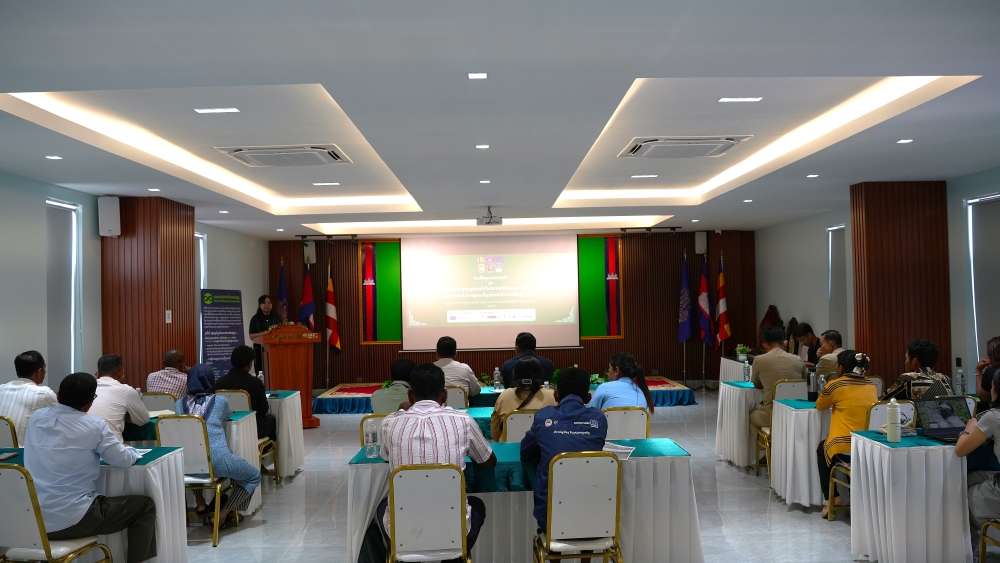
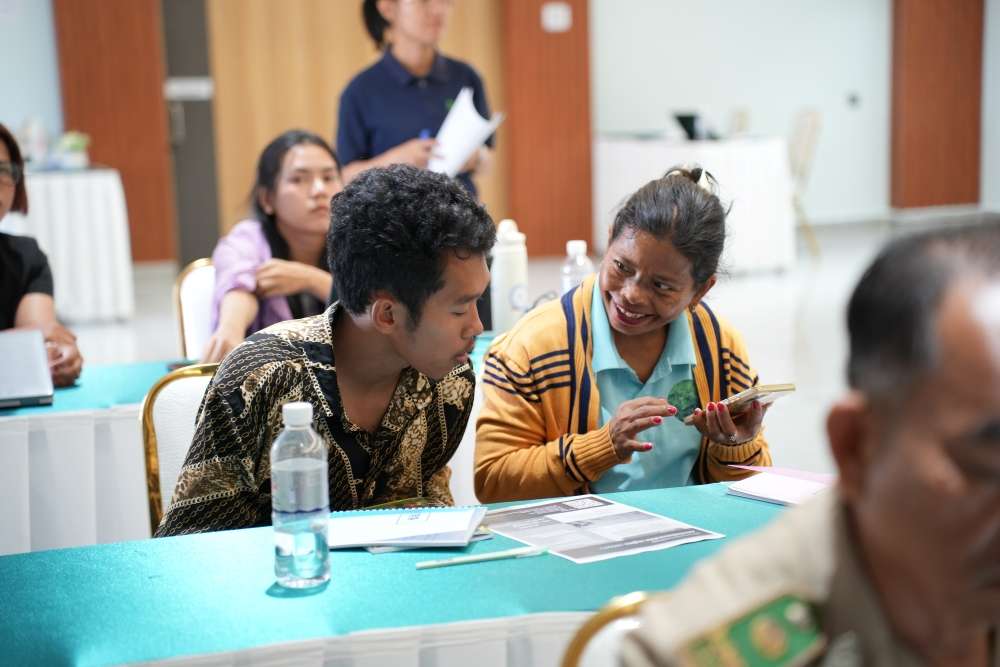
The consultation brought together 26 participants (including 8 women) representing the Fisheries Administration, the Kampot and Kep Provincial Fisheries Administration Cantonments, partner organizations, representatives of community fisheries, and other stakeholders working to support sustainable livelihoods in Cambodia’s coastal communities.
The consultation aimed to achieve several key objectives:
- Present and disseminate data and infographics on the status of community fisheries in Kep and Kampot provinces on the ODC website.
- Collect feedback from stakeholders to improve the quality, accuracy, and completeness of the data.
- Enhance participants’ capacity to navigate and use the ODC website, including accessing legal documents and fisheries data.
- Promote the use of open data for evidence-based decision-making, natural resource management, and public participation.
The workshop was organized under the “Strengthening CSOs to Take Action on Economic Governance (SCAEG)” project, which is co-funded by the European Union.
The welcoming remarks were delivered by an ODC representative, who outlined ODC’s role in the project. She explained that ODC has been responsible for collecting information on community fisheries and publishing it on the ODC website under the profile page “Fisheries Resource Management Information.” In addition, ODC has produced community fisheries posters that provide concise information about each community, including its potential and photos. She also highlighted ODC’s efforts in building community capacity through various training workshops on social media, community-based mapping, and data visualization.
This was followed by a representative from ActionAid, who emphasized the importance of continued collaboration among stakeholders. She emphasized that although the SCAEG project will conclude this year, the collective efforts and actions initiated through the project should continue. The achievements so far, she noted, are the result of strong cooperation among partners, communities, and government institutions.
Mr. King Sophany from the Kep Provincial Fisheries Administration also expressed appreciation to partner organizations for their ongoing support in strengthening community fisheries. He highlighted the importance of open data and encouraged participants to actively access and use the fisheries information available on the ODC website.
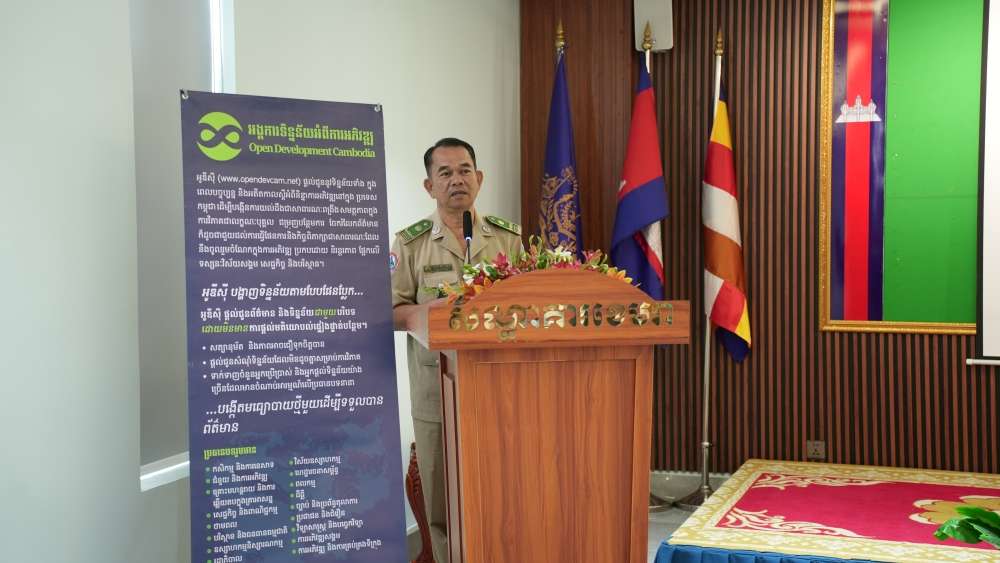
Mr. Norm Langsin, representative of the Fisheries Administration of the Ministry of Agriculture, Forestry and Fisheries, provided an overview of the current status of community fisheries across Cambodia. According to the update, there are 472 community fisheries nationwide, of which 44 are located in coastal areas, and 467 have already been officially registered.
He also emphasized that the Fisheries Administration continues to support the registration of unregistered communities and to build the capacity of community leaders to strengthen local fisheries management.
During the session, ODC staff presented data and infographics on community fisheries in Kep and Kampot provinces. The presentation highlighted key information, including community locations, registration status, and management plans. Participants were invited to review the data and share feedback to ensure its accuracy and completeness.
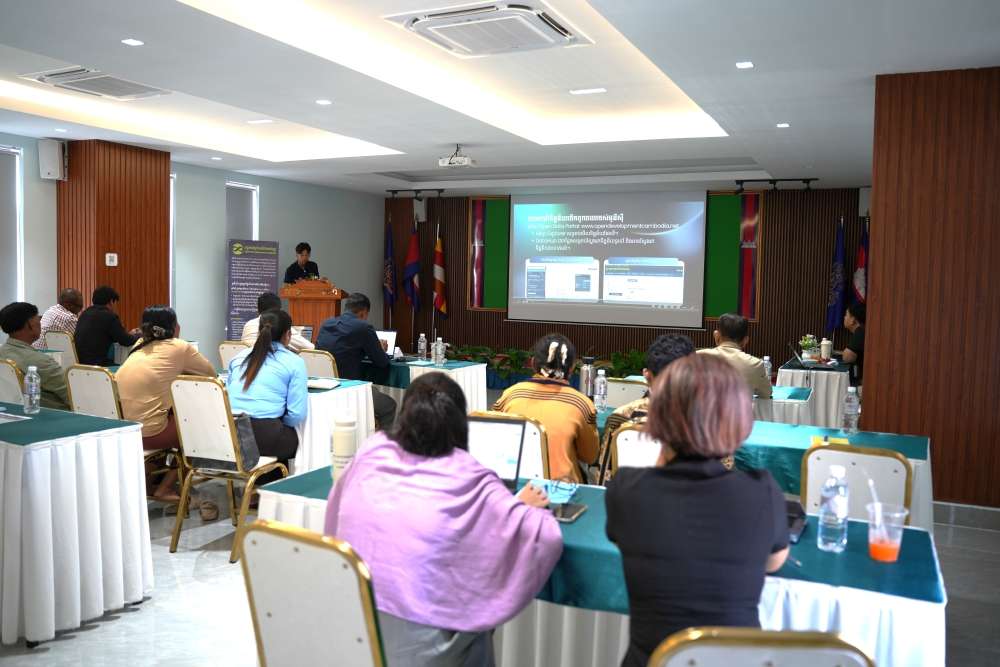
The consultation included an interactive discussion session where participants raised questions and shared updates regarding several community fisheries.
One participant asked why there was no information about the Koh Kresna-Lok community on the ODC platform. ODC explained that the dataset currently relies on information provided by the Fisheries Administration, and no official documentation for this community had yet been received. Representatives from the Fisheries Administration clarified that the community has already prepared its community development plan, but the registration process takes time because it requires several steps, including mapping, official recognition, and submission of registration documents.
Representatives from the Fisheries Administration further explained that agreements and management plans for communities in Kep, Kampot, and Preah Sihanouk provinces are being supported by the Asian Development Bank (ADB) and are currently in the process of publication and dissemination. While soft copies are already available, some annexes and supporting documents still require updates before final publication.
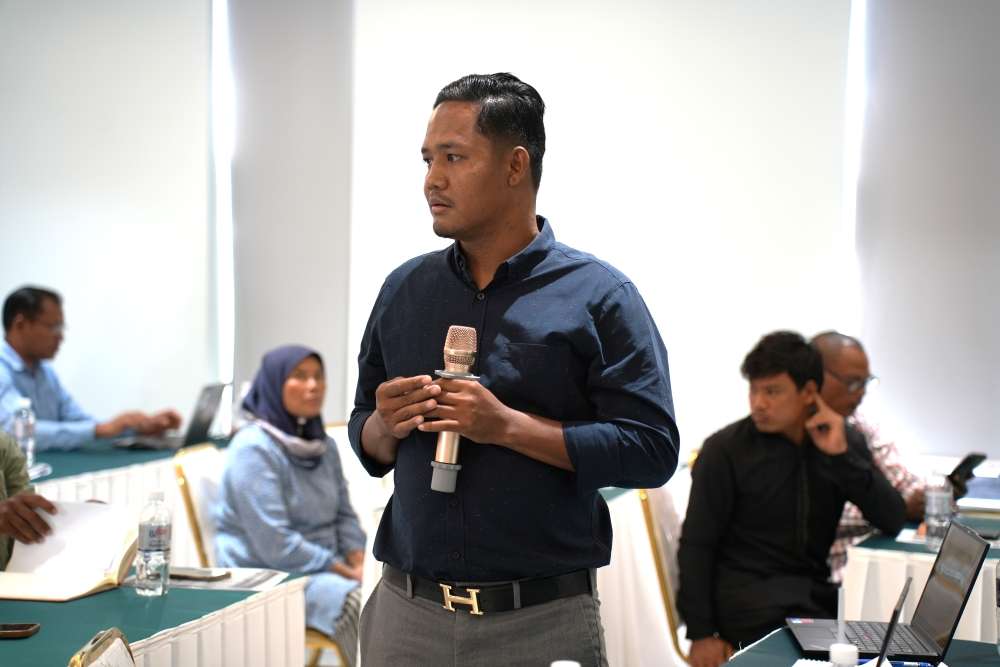
The Fisheries Administration also explained that the registration process for community fisheries begins with identifying the community map, followed by agreements between the community and the district fisheries administration before official registration can be finalized.
Another session led by the ODC team demonstrated how participants can search for laws, regulations, and fisheries-related information on the ODC website. Participants from community fisheries expressed interest in making the information more accessible for local communities. One suggestion was to create QR codes for each community, allowing members to quickly access relevant data and documents. ODC welcomed this suggestion and confirmed that it plans to produce community posters with QR codes and share them through community communication channels, including Telegram groups.
The consultation workshop provided an important platform for government agencies, civil society organizations, and community representatives to exchange knowledge and strengthen collaboration. By improving access to reliable fisheries data and enhancing stakeholders’ capacity to use it, the initiative supports more transparent governance, sustainable fisheries management, and stronger community participation in coastal resource management.
ODC will continue refining the dataset based on feedback from the consultation and encourages stakeholders to actively engage with the data available on its platform to support informed decision-making for Cambodia’s coastal fisheries.

