Capturing community stories: mobile photography and videography training for coastal communities
On 4 June 2026, Open Development Cambodia (ODC) conducted a training workshop on “Fundamentals of Photography and Videography Using Smartphone Cameras” at the Trapaing Sangke Community in Kampot Province. The workshop brought together 28 participants, including 12 women, representing Community Fisheries groups and partner organizations from Kampot and Kep provinces.
Organized under the “Strengthening Civil Society Actions for Economic Governance (SCAEG) 2023–2026” project, funded by the European Union, the training aimed to enhance participants’ knowledge and practical skills in smartphone photography and videography. It focused on strengthening their capacity to create engaging digital content and effectively document community activities, local initiatives, and development issues. The workshop also sought to improve participants’ ability to communicate and share community stories through social media platforms, contributing to greater public awareness, engagement, and advocacy on issues affecting their communities.
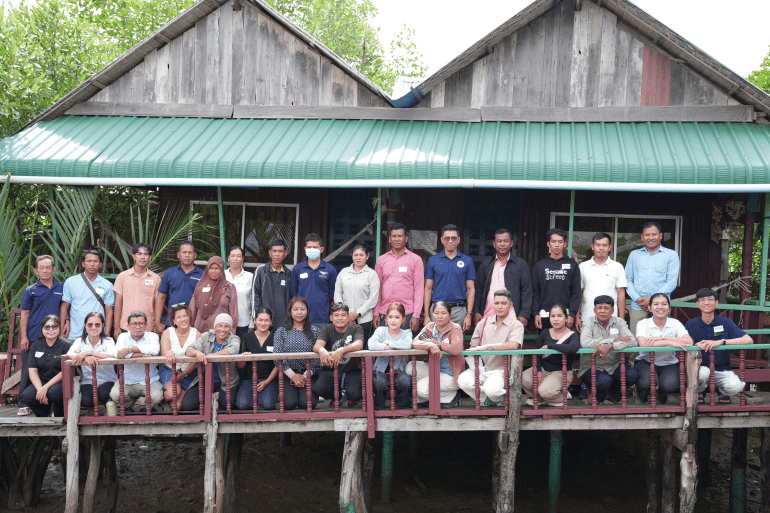
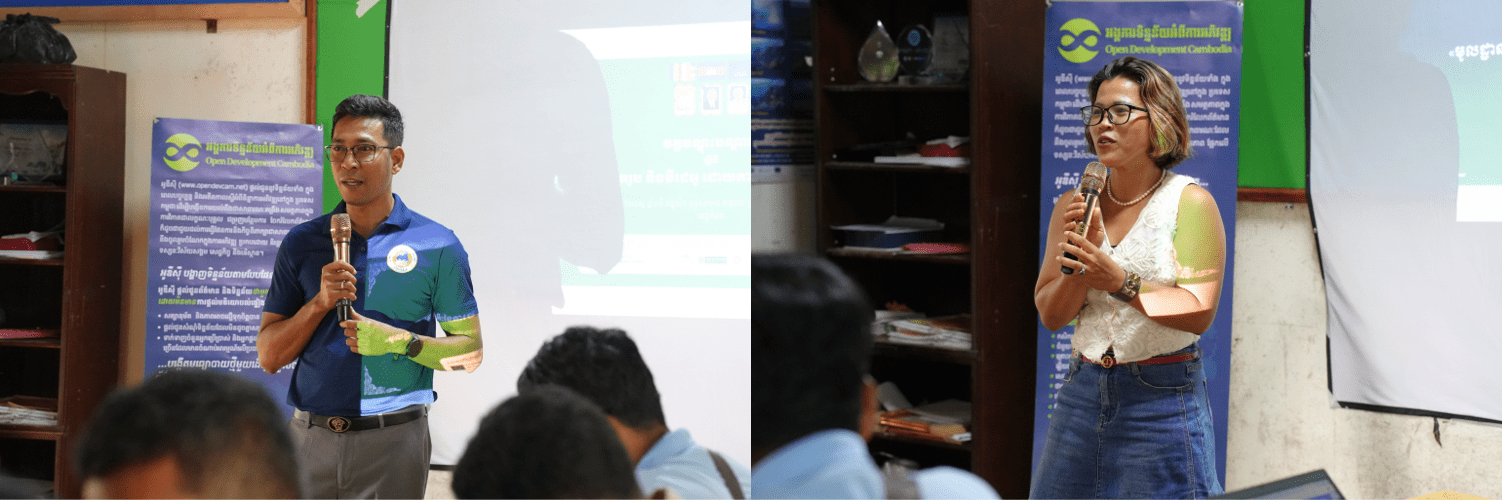
The training commenced with a welcome address by the Executive Director of the Cambodia Women for Development and Civic Cooperation (CWDCC), who highlighted the importance of strengthening digital communication skills among coastal communities. This was followed by opening remarks from a representative of ActionAid, who emphasized the role of community-led storytelling in promoting transparency, participation, and sustainable development.
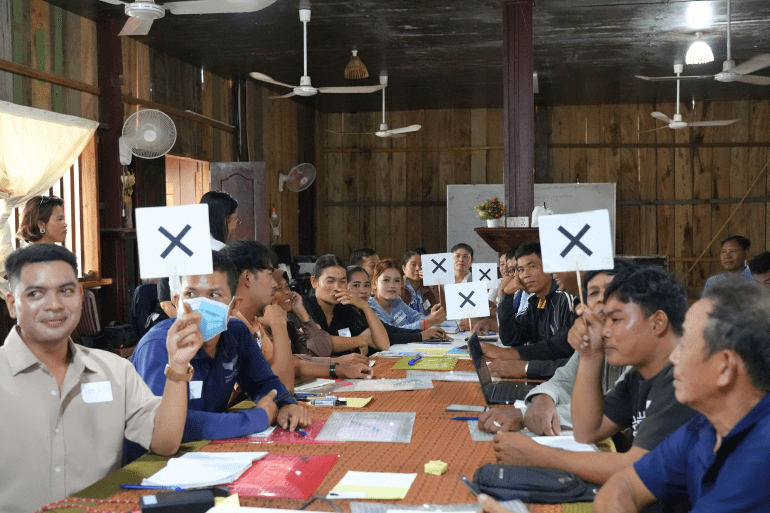
Before beginning the technical sessions, the ODC team facilitated an interactive “True or False” activity to engage participants and assess their existing knowledge of photography techniques. Through a series of statements on photo composition, camera positioning, lighting, and visual storytelling, participants actively shared their perspectives while learning key principles of effective photography in a fun, participatory environment.
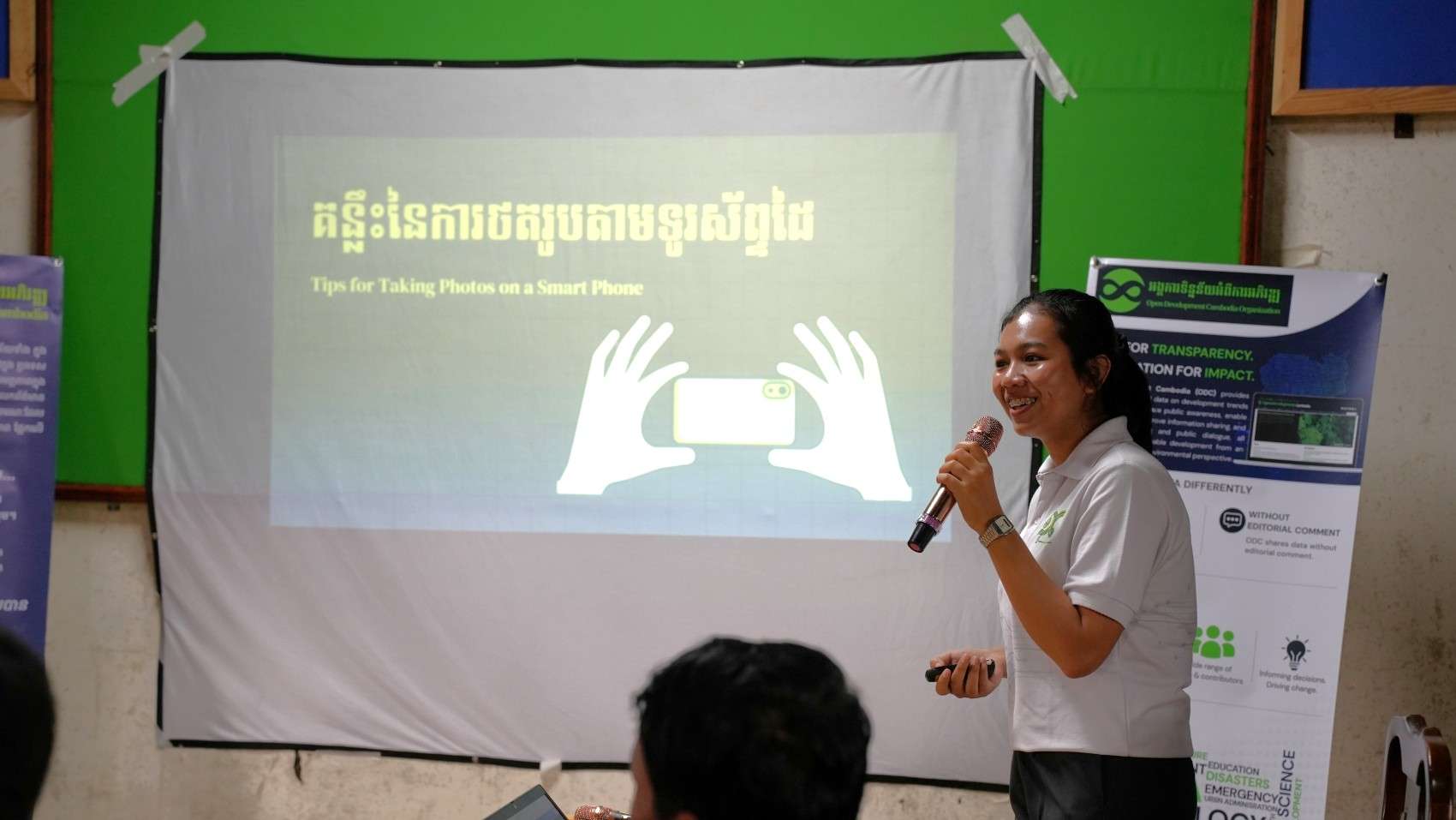
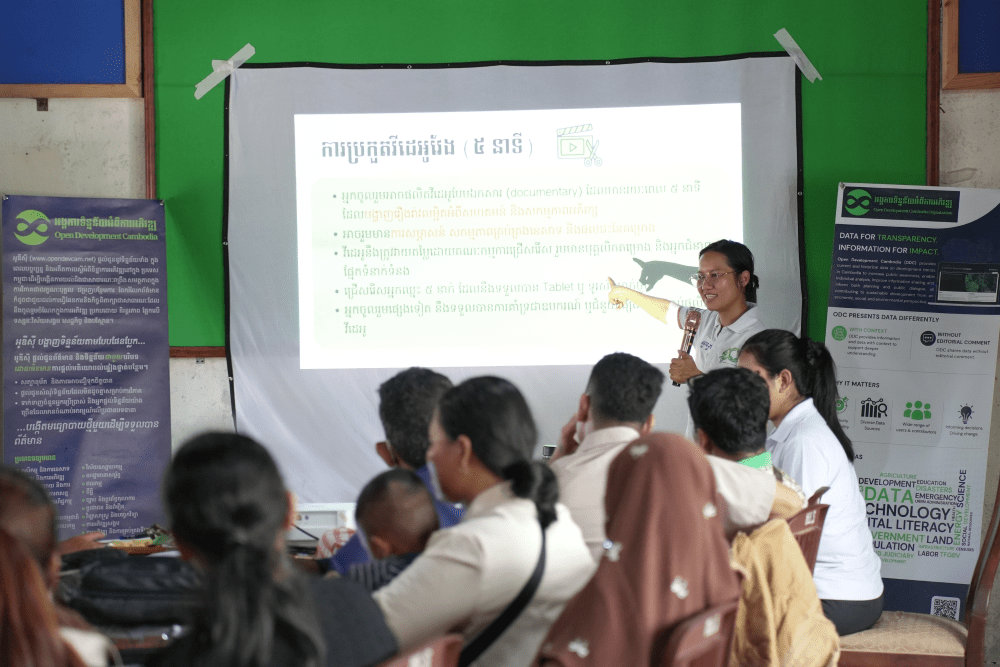
Following the ice-breaking activity, participants were introduced to the fundamentals of mobile videography. The training covered key concepts such as shot composition, framing, camera movement, lighting, audio quality, and storytelling techniques. Participants learned how to capture videos that effectively communicate community stories and convey clear messages through visual narratives.
The trainer also emphasized the importance of planning video content before filming, including identifying key messages, selecting interview subjects, and capturing supporting footage that helps strengthen the overall story.
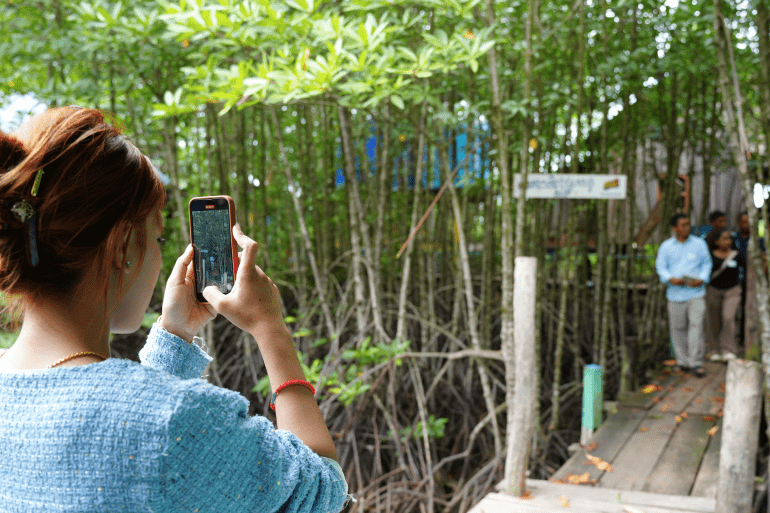
To provide practical, hands-on experience, participants were divided into five groups before the lunch break. Each group was assigned a different topic related to the community, including grouper fish farming, community homestays, boat tour services to the mangrove forest, boat tour services for blood cockle harvesting, and community development projects.
Participants then conducted field exercises to capture video footage related to their assigned topics. Working collaboratively, they applied the techniques introduced during the morning session by recording interviews, capturing community activities, and gathering supporting visuals that would later be used to create short video stories. This hands-on exercise enabled participants to practice planning, filming, and storytelling while gaining confidence in using their smartphones as effective communication tools.
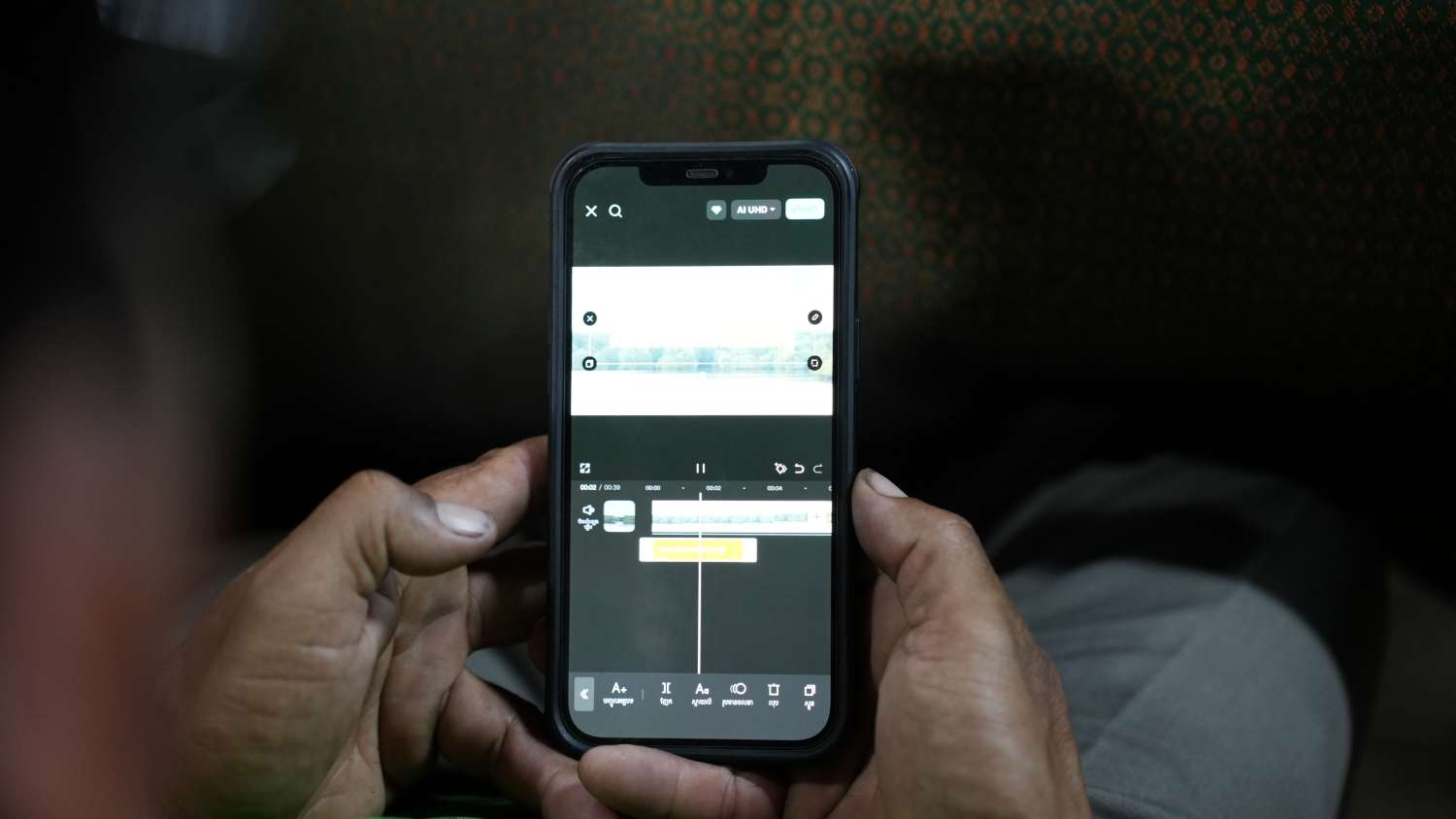
In the afternoon session, participants were introduced to CapCut, a mobile video-editing application widely used to create social media content. The trainer demonstrated the basic functions of the application, including importing footage, trimming clips, arranging sequences, adding transitions, incorporating text and subtitles, adjusting audio, and exporting completed videos.
Following the demonstration, participants worked within their groups to edit the videos they had captured during the field exercise. By applying the editing techniques learned during the session, each team transformed raw footage into short video stories that reflected the assigned community topics. The exercise allowed participants to experience the complete content production process, from planning and filming to editing and finalizing a video, using only their smartphones.
The training forms part of ODC’s ongoing efforts under the SCAEG project to strengthen the capacity of community representatives and civil society actors to use digital tools for communication, advocacy, and public engagement. By equipping participants with practical skills in mobile photography, videography, and video editing, the workshop contributes to enhancing communities’ ability to document local realities and share their perspectives with wider audiences.
Participants expressed enthusiasm about applying these newly acquired skills to promote community activities, highlight environmental issues, document local livelihoods, and raise awareness of challenges affecting coastal communities through social media platforms.
To encourage participants to continue applying their skills after the training, ODC will organize a video competition for participating communities. The competition will provide an opportunity for participants to showcase their creativity and storytelling abilities while highlighting important issues and achievements within their communities. Outstanding submissions will be recognized with awards and may be featured on ODC’s digital platforms and communication channels, helping amplify community voices and strengthen local participation in development processes.
Through initiatives such as this training, ODC continues to support coastal communities in building digital skills, fostering community engagement, and promoting inclusive participation in sustainable development along Cambodia’s coastal regions.

