Strengthening reporting using data: Building the capacity of journalists to report on natural resources in Cambodia
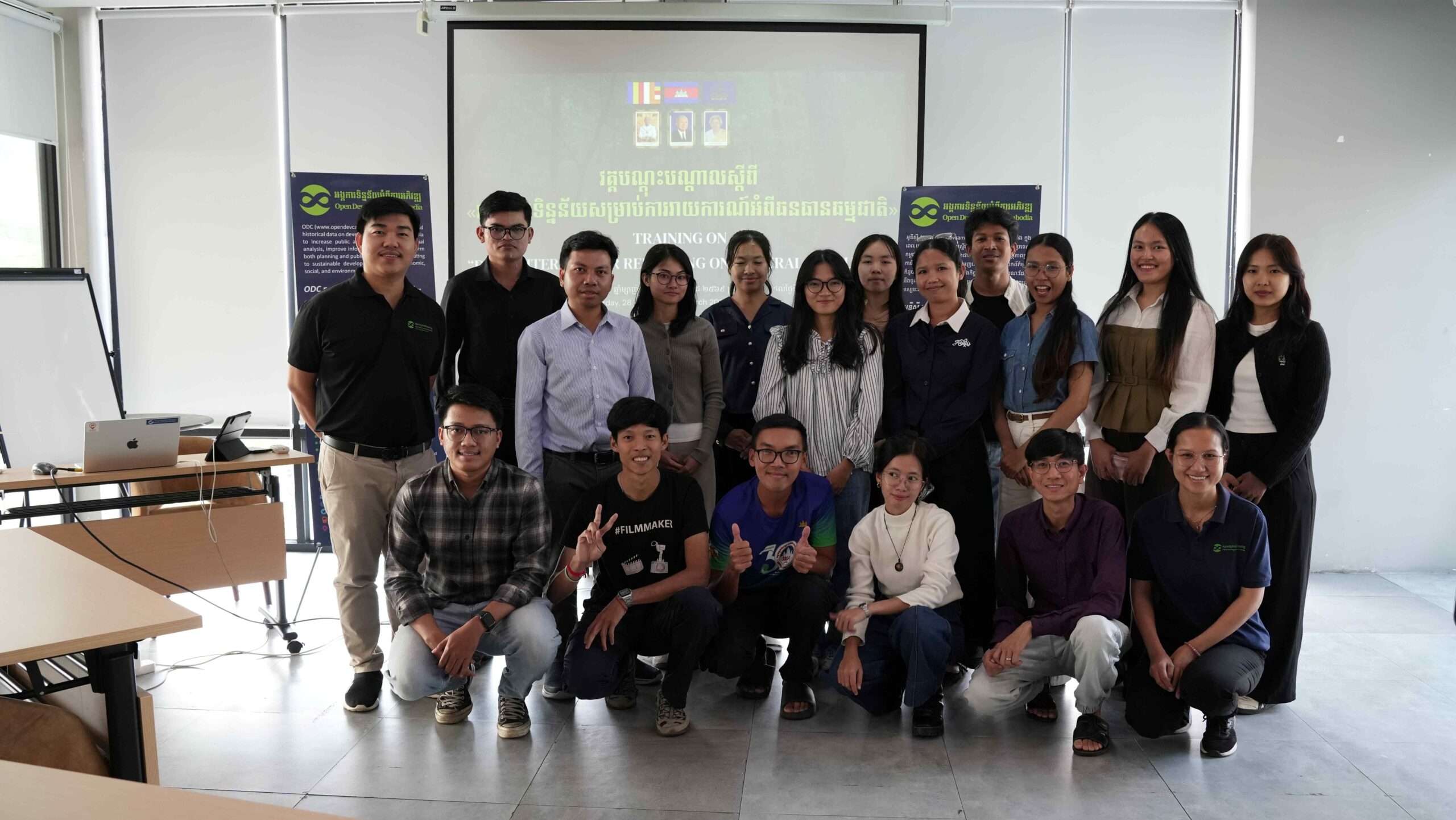
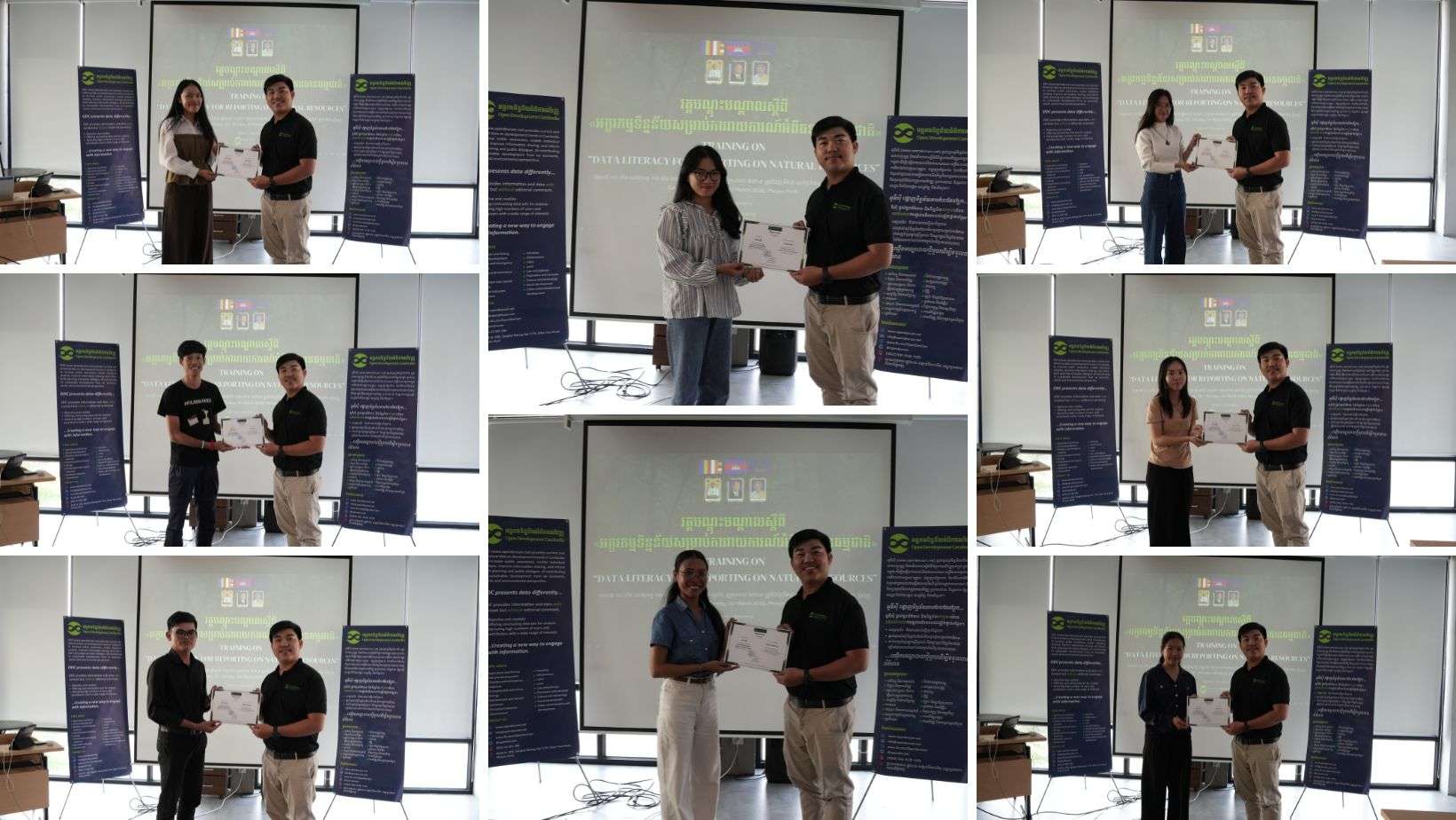
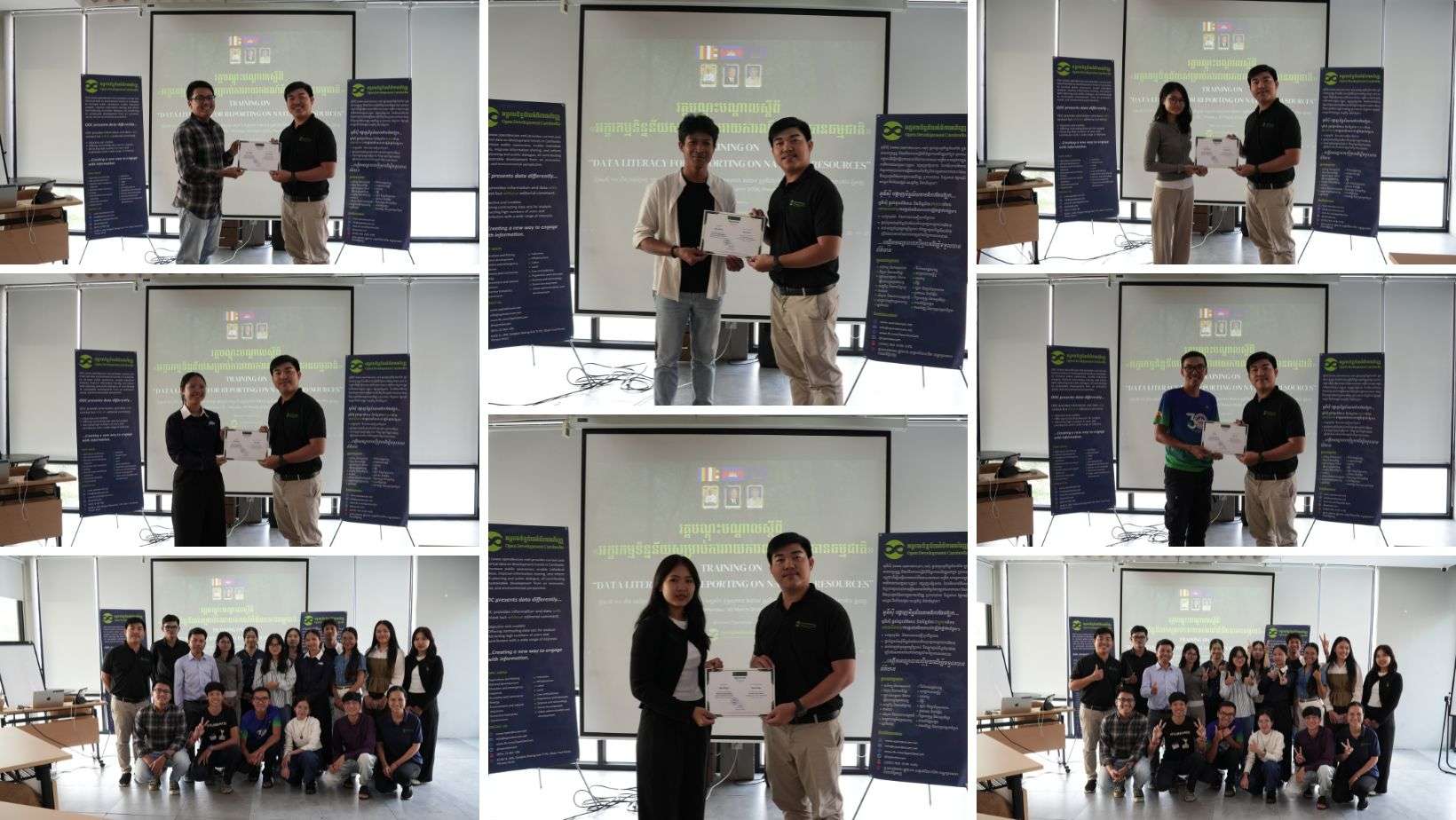
On 28–30 March 2026, a group of passionate journalists and aspiring storytellers joined a three-day training on “Data Literacy for Reporting on Natural Resources” in Phnom Penh.
Organized by Open Development Cambodia (ODC) with funding supported by Global Forest Watch (GFW), the training aimed to bridge a significant gap in modern journalism: the ability to transform complex datasets into compelling, evidence-based stories that inform and inspire action.
Why data literacy matters more than ever
As Cambodia continues to face challenges related to deforestation, land use change, and environmental sustainability, access to open data has expanded significantly. However, access alone is not enough. Journalists must also be equipped with the skills to interpret, analyze, and communicate that data effectively.
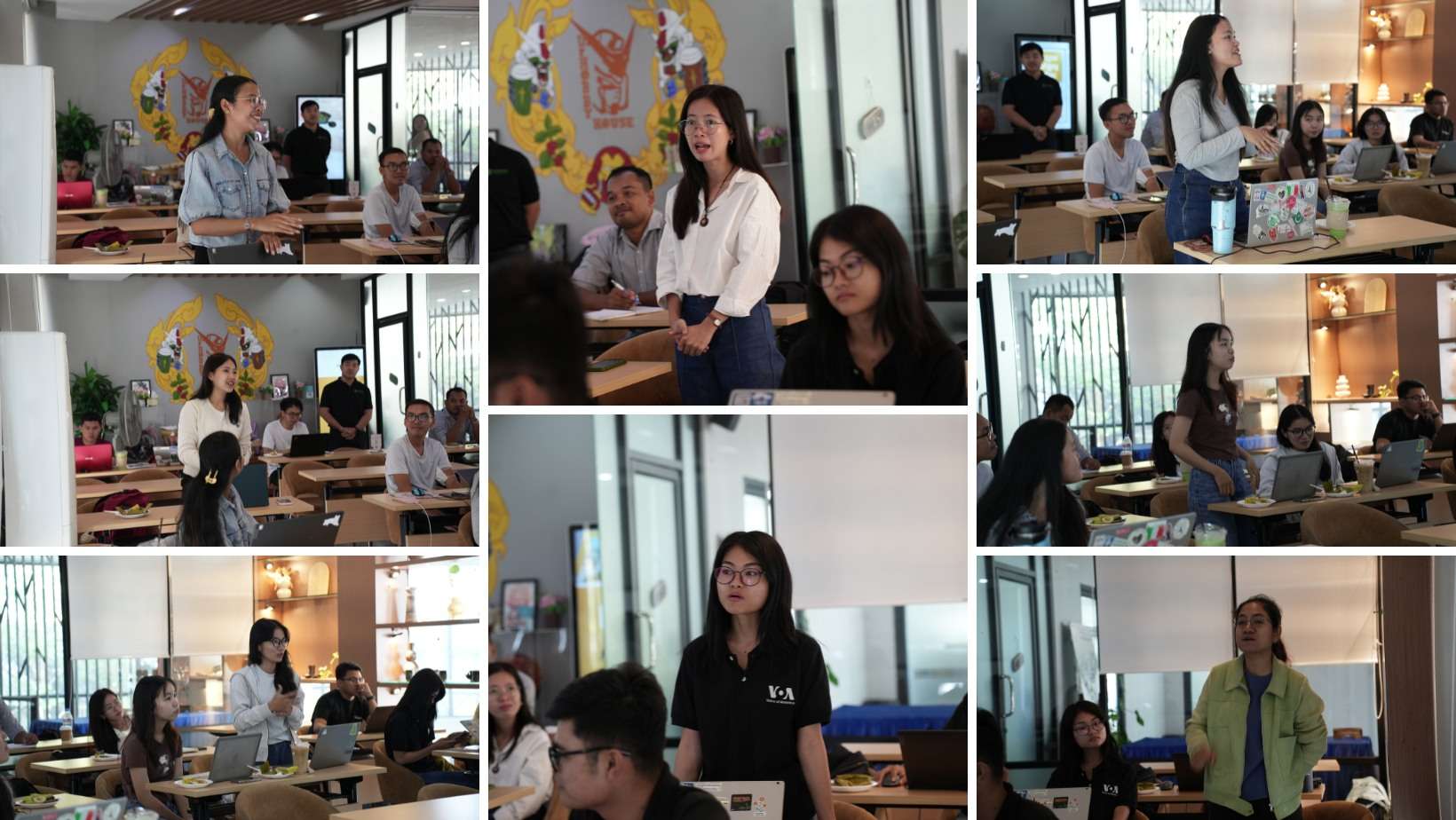
This training recognized that need. It provided a space where data meets storytelling, where numbers become narratives, and where evidence strengthens public discourse.
From data to story: A hands-on learning journey
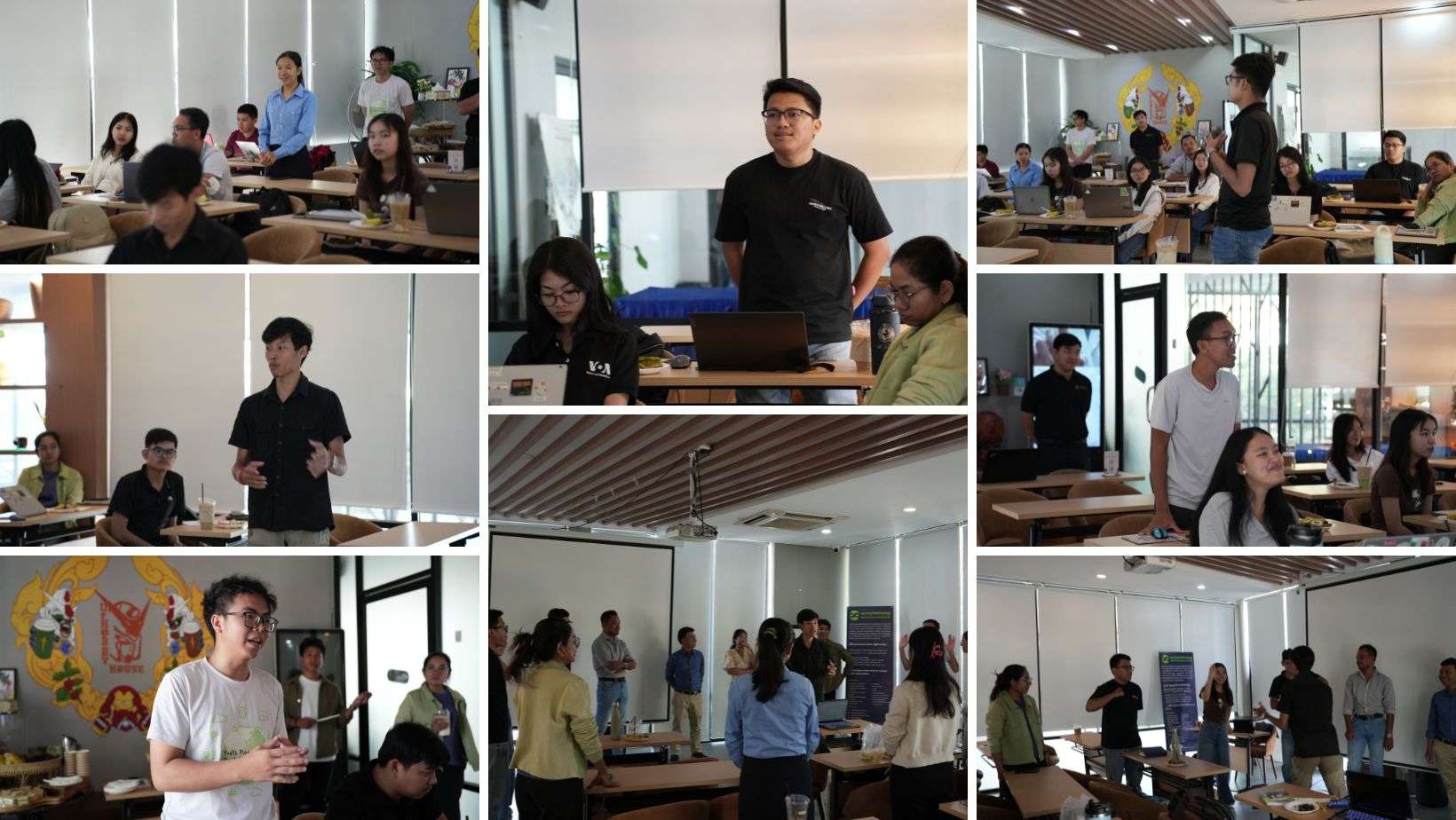
Over three days, 16 participants (9 women) engaged in an intensive, hands-on learning experience designed to build practical skills across the full data workflow. The strong participation of women also reflects a growing and important shift toward more inclusive and gender-responsive data journalism in Cambodia.
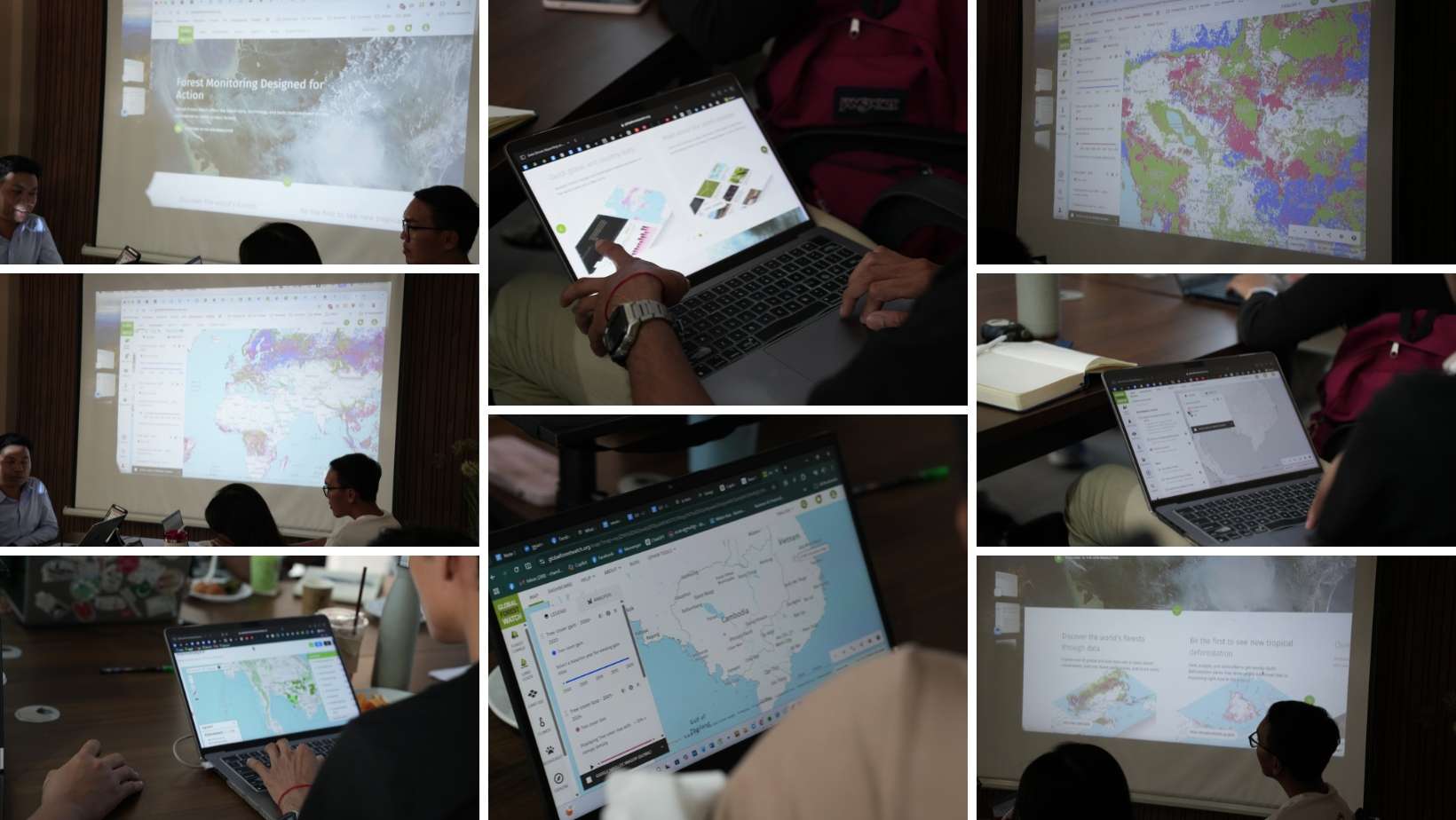
Participants began by exploring how to access and navigate open data portals, learning how to identify relevant datasets related to forests, land, and natural resources. More importantly, they developed the ability to critically understand key indicators and metadata, allowing them to assess the reliability and limitations of the data they use.
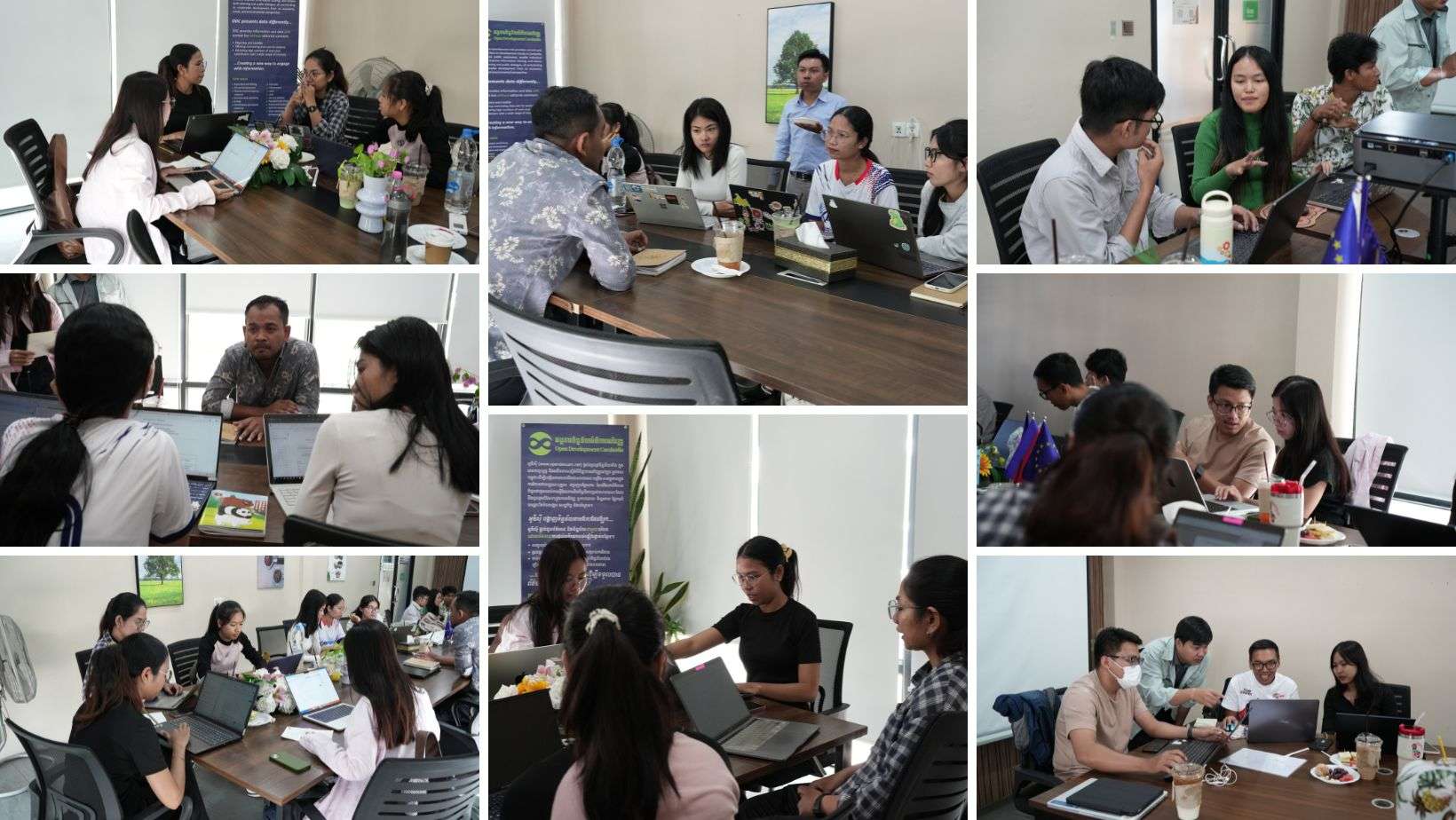
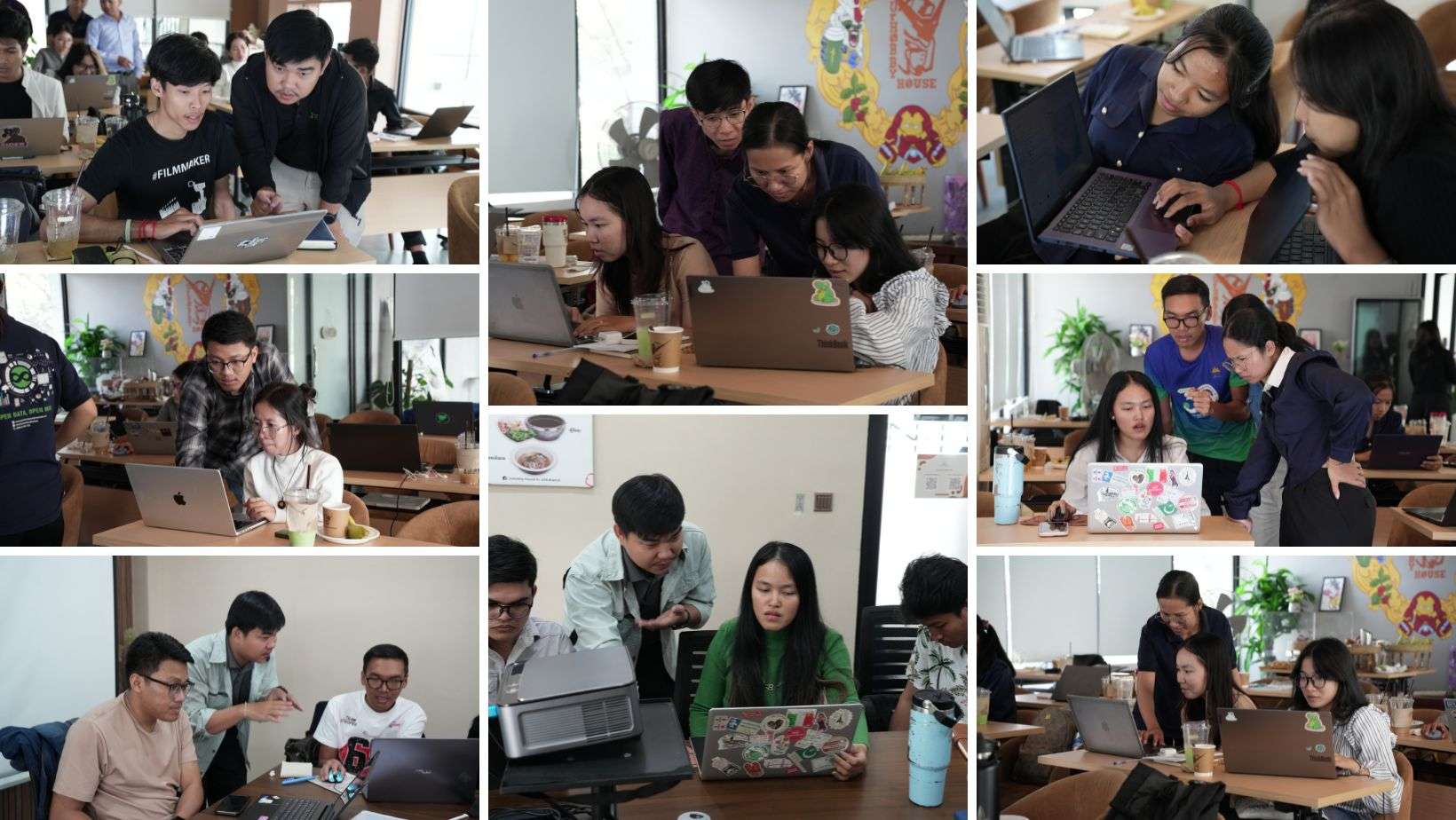
The training then moved into data journalism, data cleaning, and analysis. Using tools such as Google Sheets and Open Refine, participants practiced organizing raw datasets and extracting meaningful insights. For many, this was a transformative step: shifting from simply reporting information to actively interrogating and interpreting it.
But data alone does not tell a story. Recognizing this, the training emphasized the importance of humanizing data, translating complex findings into narratives that resonate with everyday audiences. Participants explored how to simplify technical information without losing accuracy, ensuring their stories remain both credible and accessible.
The final component focused on data visualization, where participants learned how to design visuals that enhance clarity and engagement. Through storytelling techniques and visual tools, they discovered how charts, maps, and infographics can amplify the impact of their reporting.
Building a community of data-driven storytellers
Beyond technical skills, the training fostered something equally important: connection. Journalists from different backgrounds, professional reporters and citizen journalists alike, came together to share experiences, challenges, and ideas.
This exchange created a growing network of data-driven storytellers who are better equipped to collaborate, support one another, and elevate the standard of environmental reporting in Cambodia.
Participants also gained the opportunity to apply their new skills beyond the training. With the potential to receive support (technical and resources) for producing data-driven stories, they are now positioned to turn learning into real-world impact.
Advancing transparency and environmental accountability
At its core, this training is about more than skill-building. It is about strengthening transparency, accountability, and public engagement in natural resource governance.
When journalists can confidently use data, they are better able to:
- Reveal hidden patterns and trends
- Challenge misinformation
- Provide evidence-based insights to the public
- Hold decision-makers accountable
In a rapidly changing information landscape, these capacities are essential for ensuring that environmental issues are reported accurately, responsibly, and with impact.
Looking ahead
The “Data Literacy for Reporting on Natural Resources” training marks an important step toward a more informed and data-driven media landscape in Cambodia. As participants return to their communities and newsrooms, they carry not just new skills but also a renewed sense of purpose.

