From practice to purpose: A story of adaptation and growth
When Sokna joined the project, he stepped in as a trainer with a strong motivation to make meaningful use of his background in IT and cybersecurity. After learning about this opportunity from his friend, Davy, who is also one of the toolkits’ trainers, he was driven by a desire to share his technical knowledge and personal experience in ways that were accessible and relevant to people with varying levels of technological familiarity. The project offered him an opportunity to help bridge the gap between complex digital concepts and communities that often have limited exposure to them.
“You can adapt to any situation, as a trainer, you can’t rely solely on your personality. Real impact comes from adaptation, communication, and the willingness to change.”
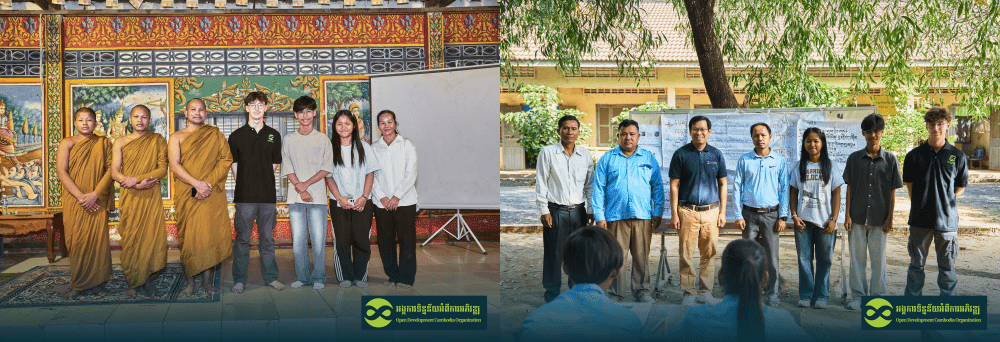
One of the most defining aspects of his experience was learning how to communicate technical ideas clearly and responsibly. With his technical background, Sokna understood the importance of accuracy, but he also became increasingly aware of the risk of overwhelming participants with overly complex explanations. This required him to constantly reflect on his approach, simplify concepts without losing their meaning, and find practical examples that resonated with different audiences.
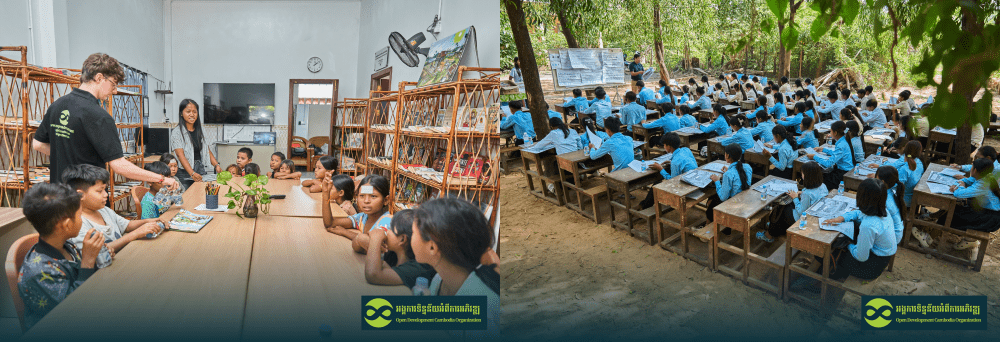
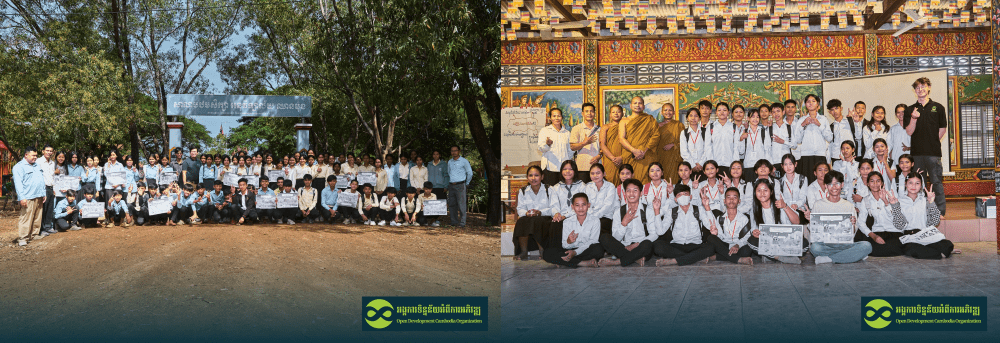
The project began to truly resonate with him as he observed participants’ commitment and curiosity during workshops. Seeing students, children, and monks actively engage with unfamiliar tools and ideas reinforced the value of the work. These experiences highlighted the importance of adaptability, as each group required a different communication style, level of interaction, and pace of learning.
As a trainer, Sokna’s responsibilities extended beyond understanding the toolkits himself. He was tasked with designing engaging learning activities, managing workshop dynamics, and ensuring participants remained comfortable and focused throughout sessions. Conducting workshops in diverse settings such as the Prayuters Library, Chhean Muk Secondary School, and Pal Hal Pagoda further emphasised the need for flexibility and situational awareness.
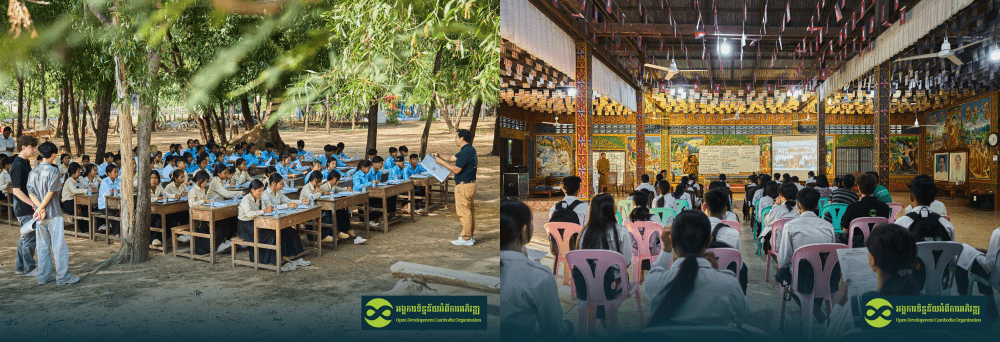
Support from teammates and mentors played a key role in his development. Through collaboration with the team, Sokna explored different strategies for engaging participants from varied backgrounds. When he faced challenges explaining certain concepts, guidance from experienced trainers, particularly Mr. Thy Try, helped him refine his approach. Learning how to manage younger participants and recognise differences in educational backgrounds and access to technology became essential to his growth as a trainer.
Beyond technical and teaching skills, the project had a significant personal impact. Naturally introverted, Sokna was pushed beyond his comfort zone and encouraged to communicate more openly and confidently. Over time, this experience strengthened his self-confidence, adaptability, and interpersonal skills, contributing to both his professional and personal development.
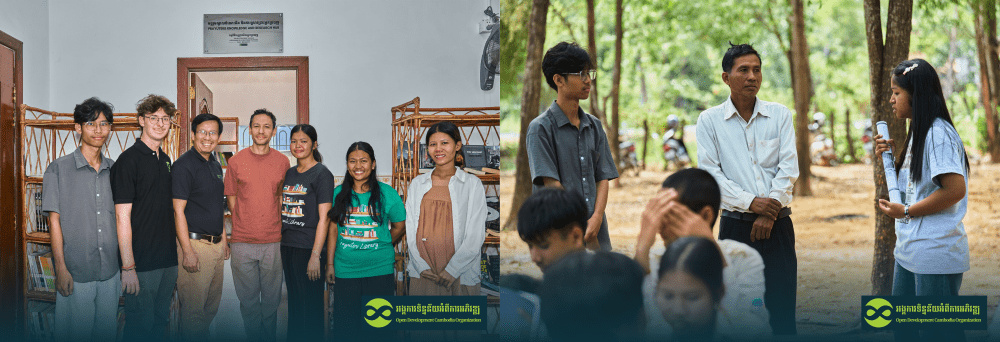
He believes the project also made a meaningful impact on participants. While some concepts were challenging, participants demonstrated curiosity and enthusiasm. For many, the workshops served as a starting point, raising awareness about the environmental costs of AI and encouraging more thoughtful and responsible use of technology.
For those joining the project as trainers today, Sokna’s advice is to communicate closely with the team, remain flexible in teaching approaches, and be prepared to adapt explanations to suit the needs of diverse audiences.

