Panel discussion on empowering futures: driving women’s participation in AI development and policy in Cambodia through education
The National AI Strategy (2025-2030) and Readiness Report prioritize educational reform to close the gender gap by mandating the creation of targeted AI courses and specific institutional protocols. Crucially, they emphasize building a supportive environment through mentorship programs and increasing the visibility of female lecturers and role models to actively attract women into the tech sector.
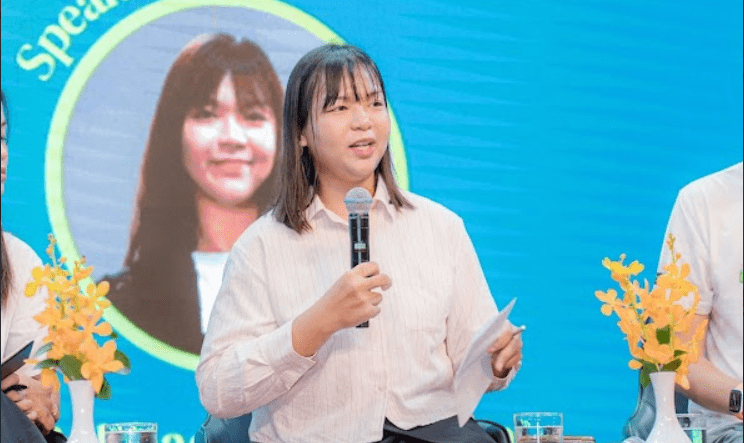
Moderated by Mr. Poren Chiang, Digital Law Researcher, Ms. Song Lauren, Project Manager of Sisters of Code, Ms. Sokhachan Socheata, LLM Engineer, and Dr. Tous Sophorn walked us through how education drives women’s participation in AI development and policy in Cambodia. The speakers collectively articulated the profound barriers and actionable strategies necessary to achieve gender parity in Cambodia’s AI and Science, Technology, Engineering, and Mathematics (STEM) sectors.
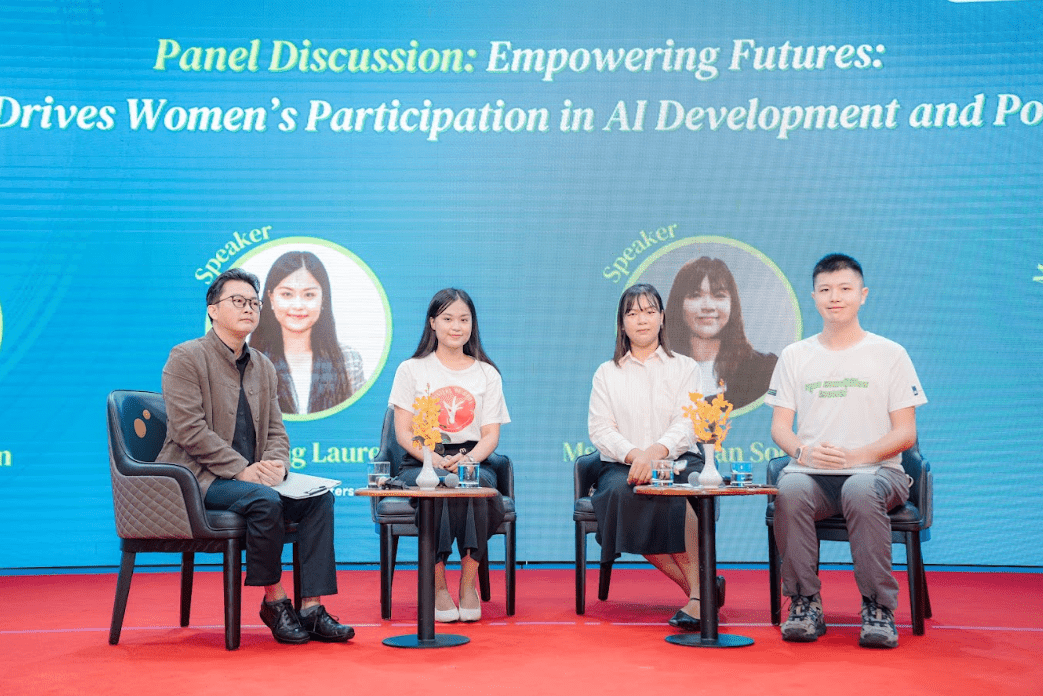
The conversation commenced by framing the issue of low female participation as a significant national and global challenge. The panel highlighted the huge disparity in the number of women engaging in the STEM and AI industries, a phenomenon often intertwined with a pervasive issue of lower digital literacy among women internationally. For Cambodia to successfully harness the potential of AI and its forthcoming National AI Strategy, addressing this talent gap is not merely a matter of equity but an economic imperative.
If women, who constitute half the population, are underrepresented in the creation of AI systems, the resulting technology will inevitably lack the necessary diversity of thought required for truly inclusive national development, making the integration of female perspectives crucial for the nation’s digital future.
A core, systemic theme, powerfully emphasized by Dr. Sophorn, revolved around the influence of gender norms (stereotypes). He pointed out that these deeply ingrained norms, which dictate social expectations and roles for women, are responsible for creating fundamental bias in concepts and professional fields across society, leading directly to gender disparity in the industry. The panel strongly concurred that addressing this systemic issue requires intervention at the most basic level: gender equality education must start in the family. This early educational intervention is vital because this societal bias, unfortunately, manifests in tangible, negative outcomes for women even after they complete their formal education.
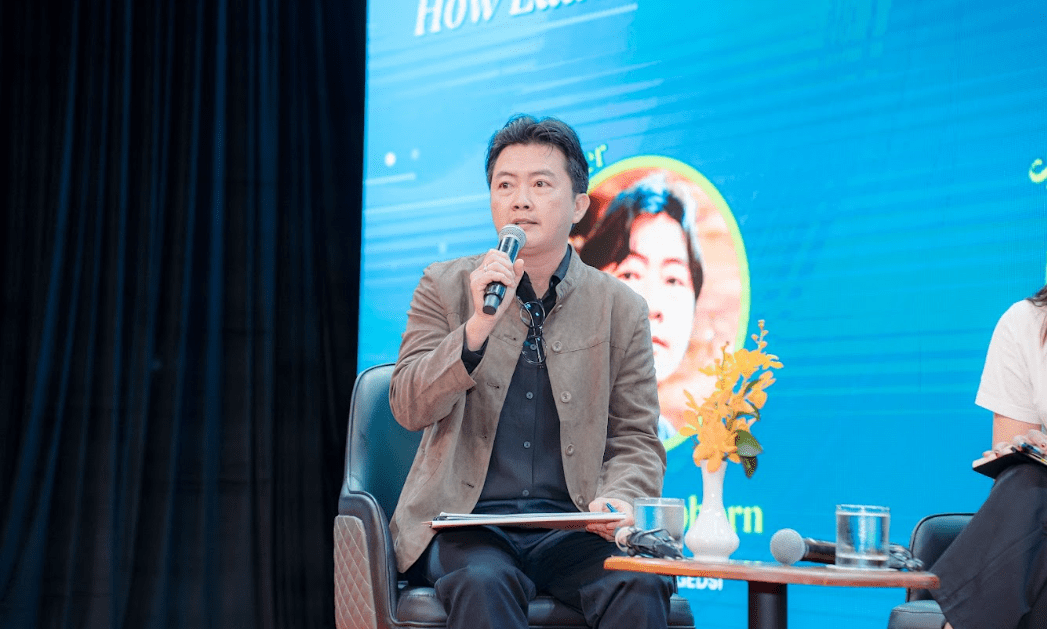
Specifically, the panel noted the alarming trend that female students after graduation do not get equal opportunities nor equal payment as male students, which creates a powerful financial and professional disincentive for younger generations to pursue tech-related degrees. This clearly demonstrates that improving access to education alone is insufficient; systemic reform in the workplace is equally vital to retaining female talent.
Ms. Song and Ms. Sokhachan focused heavily on the need for transformative change within the educational system itself to build a robust female talent pipeline. The panellists stressed that school institutions should proactively develop AI courses in specific, targeted majors to encourage female students’ participation, working to make AI seem less intimidating and more relevant to diverse career paths. To ensure a sustained commitment from institutions, they must formalize their efforts by setting up detailed laws, protocols, and administrative structures dedicated to promoting gender balance in AI programs.

Furthermore, a concerted effort is required to enhance visibility and role models by working to increase the number of female lecturers and actively championing highly successful women in tech. Establishing mentor programs before higher education is essential to help female students understand the potential career pathways and the necessary skills to possess, making the tech sector feel accessible and attainable.
Finally, to ensure the inclusivity of the learning environment, support must be provided for accessibility to bring female perspectives to the students, ensuring that curricula and classroom discussions genuinely reflect the experiences and needs of women.
The discussion moved beyond institutional reform to underscore the role of broader policy and private sector cooperation, particularly for scaling opportunities. Ms. Sokhachan urged that INGOs, CSOs and government bodies should cooperate and come up with joint programs to pool resources and expertise, maximizing the training and career placement opportunities available to increase women’s involvement in AI. In parallel, there is a mandate for gender equality to be balanced within private companies, requiring active corporate policies to address hiring biases, promotion disparity, and, crucially, the unequal pay issue raised earlier.
The panel also highlighted a uniquely Cambodian challenge and opportunity related to Linguistic Inclusion in AI: the fact that current AI models are not adaptive to the Khmer language. This lack of local adaptation creates an immediate opportunity and necessity for women to take part in data science and AI development to ensure language inclusion. By involving women in creating Khmer language datasets and models, AI will become readily usable by a wider base, including rural residents, ensuring that the benefits of the digital economy are distributed equitably across the entire country.
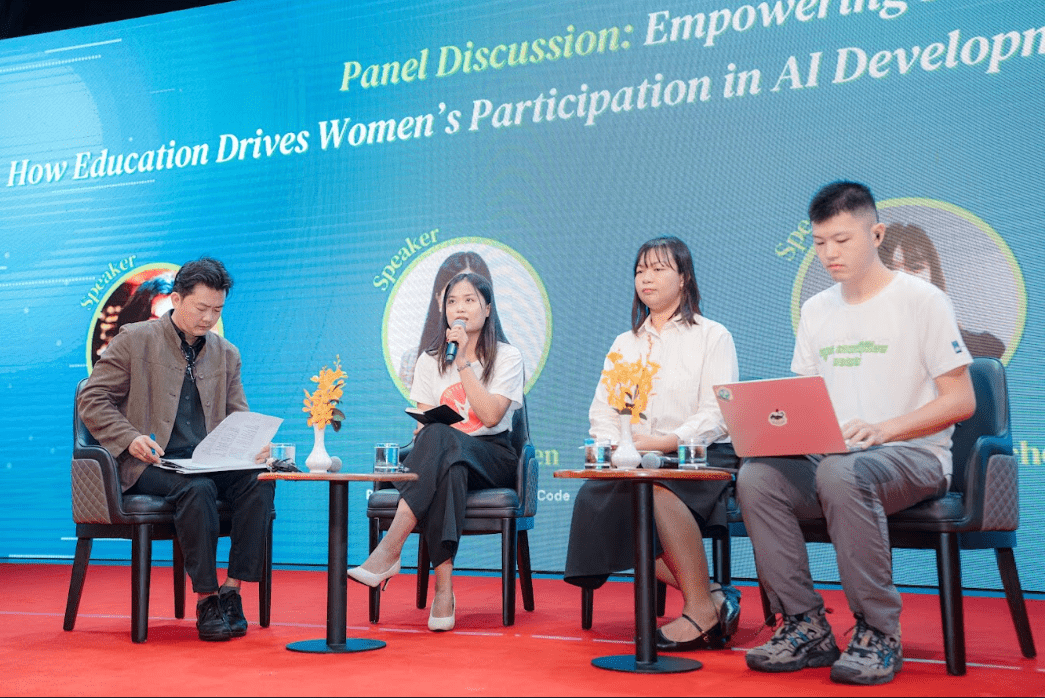
In conclusion, the panel presented a comprehensive blueprint for empowering futures in AI, asserting that sustainable progress requires a coordinated effort spanning family values, institutional reform, industry accountability, and a commitment to linguistic and social inclusion.

