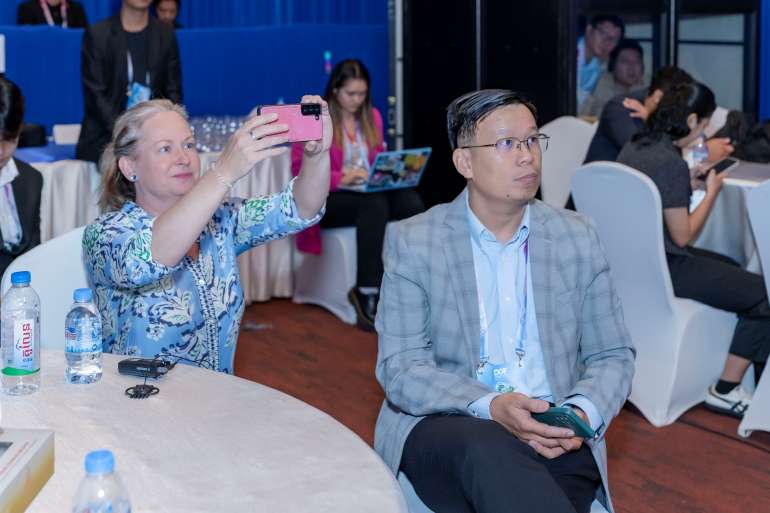
ការស្វែងយល់អំពីហេដ្ឋារចនាសម្ព័ន្ធអ៊ីនធឺណិត និងផលប៉ះពាល់បរិស្ថានរបស់អ៊ីនធឺណិត និងអ្វីដែលអ្នកអាចធ្វើបានក្នុងបញ្ហានេះ៖ តួនាទីដ៏សំខាន់របស់យុវជនក្នុងការកសាងសង្គមអ៊ីនធឺណិតប្រកបដោយបរិយាបន្ន និងនិរន្តរភាព
វគ្គបទបង្ហាញអំពីការឈ្វេងយល់អំពីហេដ្ឋារចនាសម្ព័ន្ធអ៊ីនធឺណិត និងផលប៉ះពាល់បរិស្ថានរបស់អ៊ីនធឺណិត បានចាប់ផ្តើមជាមួយវីឌីអូបទបង្ហាញរបស់ លោកស្រី Dhanyashri Kamalakannan, អ្នកដឹកនាំអភិបាលកិច្ច និងជាអ្នកស្រាវជ្រាវផ្នែករចនា វិទ្យាស្ថាន Pranava។ នៅពេលដែលពិភពលោករបស់យើងកាន់តែមានឌីជីថល ចាប់ពីការអប់រំ ការប្រាស្រ័យទាក់ទង រហូតដល់ការកម្សាន្តនិងការចូលរួមក្នុងសង្គម យុវជនកំពុងចំណាយពេលច្រើននៅលើអ៊ីនធឺណិតជាងពេលណាៗទាំងអស់។ ជាពិសេសនៅក្នុងតំបន់អាស៊ីប៉ាស៊ីហ្វិក យុវជនឥឡូវនេះប្រើប្រាស់អ៊ីនធឺណិតជាមធ្យមជិតប្រាំមួយម៉ោងក្នុងមួយថ្ងៃ។
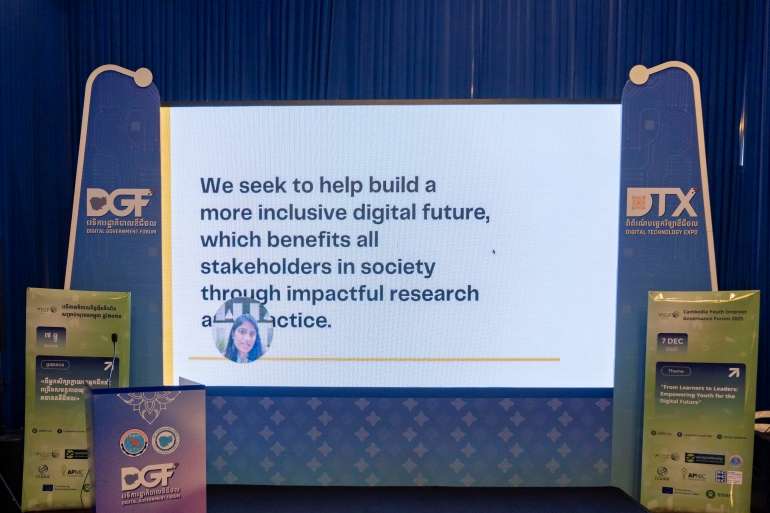
ការធ្វើសមាហរណកម្មយ៉ាងស៊ីជម្រៅនៃឧបករណ៍ឌីជីថលទៅក្នុងជីវិតប្រចាំថ្ងៃនេះបង្ហាញទាំងឱកាស និងបញ្ហាប្រឈម។ ខណៈពេលដែលបច្ចេកវិទ្យាផ្តល់នូវលទ្ធភាពទទួលបានចំណេះដឹង ភាពច្នៃប្រឌិត និងការតភ្ជាប់ជាសកល វាក៏ទាមទារនូវទម្រង់ថ្មីនៃអក្ខរកម្មឌីជីថលផងដែរ។ វាមានសារៈសំខាន់ណាស់ក្នុងការពង្រឹងសមត្ថភាពយុវជនដោយទាមទារជំនាញ និងការយល់ដឹងដើម្បីគ្រប់គ្រងការផ្សារភ្ជាប់ទំនាក់ទំនងរបស់យុវជនជាមួយបច្ចេកវិទ្យា។ មិនត្រឹមតែត្រូវការការពង្រឹងសមត្ថភាពប៉ុណ្ណោះទេ យើងក៏ត្រូវគិតអំពីសុខុមាលភាពនៃប្រព័ន្ធអេកូឡូស៊ីឌីជីថលរបស់យើងផងដែរ។
ដោយមើលឃើញពីតម្រូវការ កញ្ចប់ឧបករណ៍មានគោលបំណងផលិតឯកសារអប់រំដែលជួយណែនាំយុវជនទៅកាន់ពិភពឌីជីថលប្រកបដោយការត្រិះរិះ និងមានទំនួលខុសត្រូវបន្ថែមផងដែរ។ គំនិតផ្តួចផ្តើមនេះគឹបន្ថែមលើមូលដ្ឋានគ្រឹះសុវត្ថិភាពអនឡាញ៖ លើកទឹកចិត្តយុវជនឱ្យយល់ពីផលប៉ះពាល់ទូលំទូលាយនៃសកម្មភាពអនឡាញ ជាពិសេសផលជះអវិជ្ជមានដល់បរិស្ថាននៅពេលដែលចុចមួយដងទៅកាន់តំណភ្ជាប់ណាមួយ។ រាល់ការស្វែងរកព័ត៏មានតាមអ៊ីនធឺណិត ការផ្សាយវីដេអូ ឬឯកសារដែលបានចែករំលែកណាមួយគឹជាការចូលរួមចំណែកដល់ការប្រើប្រាស់ថាមពល និងការបញ្ចេញឧស្ម័នកាបូនទៅក្នុងបរិយាកាសទាំងមូល។ ការជួយឱ្យយុវជនចេះកត់សម្គាល់ពីផលប៉ះពាល់បរិស្ថានដោយប្រយោលនេះ គឺជាមូលដ្ឋានគ្រឹះមួយជំហានទៀតឆ្ពោះទៅកាន់អនាគតឌីជីថលដែលមាននិរន្តរភាព
ជាការចូលរួមចំណែកក្នុងដំណើរការនេះ លោក Titouan Rispail, អ្នកស្ម័គ្រចិត្តផ្សព្វផ្សាយសហគមន៍ និងយុវជននៃអង្គការទិន្នន័យអំពីការអភិវឌ្ឍ (អូឌីស៊ី) បានចែករំលែកការយល់ដឹងអំពីរបៀបដែលគម្រោងកញ្ចប់ឧបករណ៍បច្ចេកវិទ្យាកំពុងត្រូវបានអនុវត្តនៅក្នុងប្រទេសកម្ពុជា ដែលនៅក្នុងនោះមានទាំងដំណើរការបកប្រែ និងជំហានដំបូងនៃការអនុវត្តនៅតាមខេត្ត។ គាំទ្រដោយមូលនិធិ មជ្ឈមណ្ឌលព័ត៌មានរបស់បណ្តាញអាស៊ីប៉ាស៊ីហ្វិក (APNIC) និង ISIF Asia Grant សមាសធាតុកណ្តាលនៃកិច្ចខិតខំប្រឹងប្រែងនេះគឺ កម្មវិធីបកប្រែ (Translathon) ដែលជាសិក្ខាសាលាបកប្រែឧបករណ៍អប់រំជាភាសាខ្មែរ ដោយមានការចូលរួមយ៉ាងសកម្មពីសហគមន៍មូលដ្ឋាន។
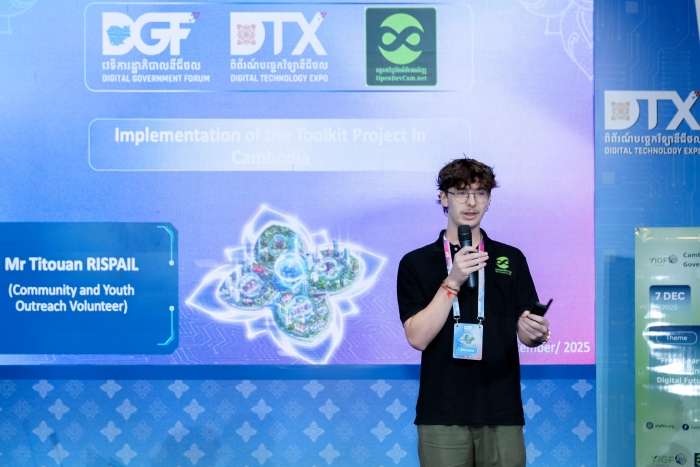
លទ្ធផលគឺគួរឱ្យកត់សម្គាល់។ កម្មវិធីនេះបានផលិតកញ្ចប់ឧបករណ៍ជាភាសាខ្មែរមុនដំបូងគេ ដែលធ្វើឱ្យឧបករណ៍ទាំងនោះកាន់តែទូលំទូលាយដល់អ្នកប្រើប្រាស់ទូទាំងប្រទេសអាចប្រើប្រាស់បាន។ អ្នកចូលរួមក៏មានឱកាសឈ្វេងយល់អំពីដានបរិស្ថាននៃការប្រើប្រាស់អ៊ីនធឺណិត និងហេដ្ឋារចនាសម្ព័ន្ធរូបវន្ត ដែលមិនត្រូវបានបង្ហាញនៅពីក្រោយសកម្មភាពឌីជីថលប្រចាំថ្ងៃ ព្រមទាំងចំណេះដឹងដែលបង្កឱ្យមានភាពចង់ដឹងចង់ឃើញ និងសេចក្តីសាទរ។ សំខាន់ជាងនេះទៅទៀត កម្មវិធីបកប្រែនេះ បានបង្កើតការចាប់អារម្មណ៍យ៉ាងខ្លាំងចំពោះគម្រោងផ្ទាល់ដោយមានអ្នកចូលរួមក្នុងកម្មវិធីបកប្រែនេះបានចូលរួមជាអ្នកស្ម័គ្រចិត្តជួយពេលអនុវត្តគម្រោងផ្ទាល់នៅក្នុងសហគមន៍តាមបណ្តាខេត្ត។
ខេត្តដំបូងគេដែលត្រូវបានជ្រើសរើសសម្រាប់ការអនុវត្តគម្រោងនោះ គឺខេត្តព្រះវិហារ ដែលជាតំបន់មួយអង្គការទិន្នន័យអំពីការអភិវឌ្ឍបានធ្វើសកម្មភាពជាច្រើនតាមរយៈគម្រោងផ្សេងៗនៅសាលារៀន និងសហគមន៍។ សិក្ខាសាលានៅមជ្ឈមណ្ឌលសិក្សាពេញមួយជីវិតក្នុងភូមិ និងបណ្ណាល័យប្រយុទ្ធក្នុងទីរួមខេត្តព្រះវិហារ កន្លែងនេះជាមជ្ឈមណ្ឌលដ៏សំខាន់សម្រាប់ការអប់រំប្រកបដោយបរិយាបន្ន។ ដោយមើលឃើញពីមូលដ្ឋានគ្រឹះដ៏រឹងមាំដែលបានកសាង និងទំនាក់ទំនងដែលនៅបន្តជាមួយសហគមន៍ ការណែនាំឧបករណ៍អប់រំនៅក្នុងខេត្តព្រះវិហារគឺជាឱកាសដ៏ល្អដើម្បីបន្តពង្រឹងការចូលរួមរបស់អង្គការអូឌីស៊ីនៅតាមបណ្តាខេត្ត។
សិក្ខាសាលាសំខាន់ៗពីរត្រូវបានរៀបចំឡើងនៅមជ្ឈមណ្ឌលសិក្សាពោធិ៍ និងមជ្ឈមណ្ឌលសិក្សាសហគមន៍ប៉ាលហាលដែលមានអ្នកចូលរួមសរុបចំនួន ១១០ នាក់ អាយុចាប់ពី ១២ ដល់ ១៦ ឆ្នាំ។ ដោយមានការជួយគាំទ្រពីអ្នកស្ម័គ្រចិត្តដែលធ្លាប់ចូលរួមក្នុងកម្មវិធីបកប្រែ វគ្គនេះបានផ្តល់នូវការណែនាំអំពីឧបករណ៍អប់រំជាភាសាខ្មែរយ៉ាងសកម្ម។ ដើម្បីធានាថាគំនិតទាំងនោះអាចអនុវត្តជាក់ស្តែងបាន និងត្រូវជាមួយបរិបទ អ្នកសម្របសម្រួលបានកែសម្រួលខ្លឹមសារមេរៀនឪ្យសមស្របនឹងបរិបទក្នុងតំបន់។ អ្នកស្ម័គ្រចិត្តកែសម្រួលបន្ថែមនៅពេលដែលចាំបាច់ ដោយលើកឧទាហរណ៍ជាក់ស្តែង និងពន្យល់មួយៗ ដើម្បីឱ្យសិស្សឆាប់យល់ច្បាស់អំពីមេរៀន។
កិច្ចខិតខំប្រឹងប្រែងទាំងនេះទទួលបានផលជាទីគាប់ចិត្ត។ សិក្ខាសាលាបានបណ្តុះគ្រាប់ពូជក្នុងការយល់ដឹងអំពីផលប៉ះពាល់បរិស្ថានពីការប្រើប្រាស់អ៊ីនធឺណិតយ៉ាងមានប្រសិទ្ធភាព និងផ្ដល់ការយល់ឃើញថ្មីដល់អ្នកចូលរួមវ័យក្មេងអំពីទម្លាប់ឌីជីថលប្រចាំថ្ងៃរបស់ពួកគេ។ ជាមួយគ្នានេះដែរ សិក្ខាសាលានេះបានជួយពង្រឹងទំនាក់ទំនងយូរអង្វែងរវាងអង្គការអូឌីស៊ី (អូឌីស៊ី) និងសហគមន៍នៅខេត្តព្រះវិហារ ការពង្រឹងទំនាក់ទំនងនេះក៏បានបង្ហាញពីការប្តេជ្ញាចិត្តជាបន្តចំពោះការអប់រំតាមមូលដ្ឋាន និងតាមសហគមន៍។ ការអនុវត្តដោយជោគជ័យនៅក្នុងខេត្តនេះ គឺជាជំហានដ៏សំខាន់ក្នុងគម្រោងឧបករណ៍អប់រំ ដែលគាំទ្រយុទ្ធសាស្ត្រយូរអង្វែងក្នុងការពង្រឹងសមត្ថភាពដល់យុវជន និងកសាងអនាគតឌីជីថលប្រកបដោយការយល់ដឹង និងនិរន្តរភាព។