Empowering research through AI: A three-day training on an introduction to research using AI
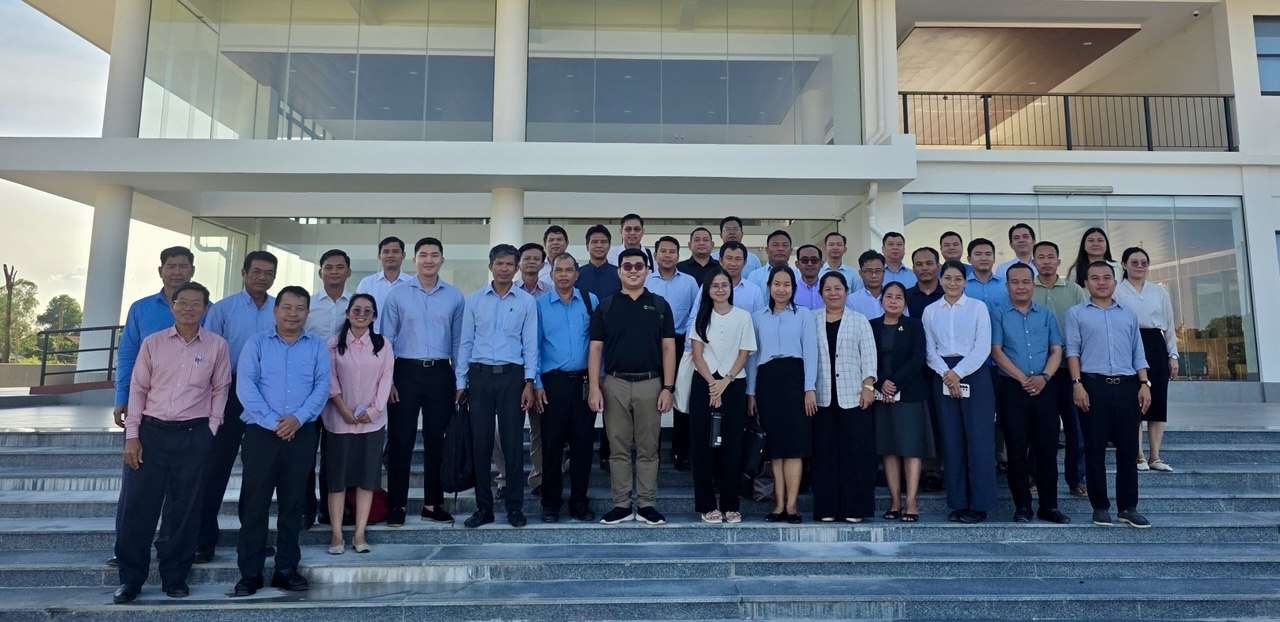
ODC and NASLA at the research training
Artificial Intelligence (AI) is being increasingly adopted in Cambodia, as all ministries and institutions have been tasked by the government to promote research, as well as to develop and adopt AI within the scope of their sectors. Despite the fact that AI can assist research to be faster and more accessible, it cannot be used to replace the responsibilities of researchers to cross-check for accuracy, ethics, and scientific rigor. Verification and human control are still necessary.
In collaboration with the National School of Local Administration (NASLA), Ms. Kuoch Layheng, Senior Editor-Researcher/Manager, and Mr. Sam An Mardy, Information Technology and Website Manager, of Open Development Cambodia Organization (ODC), led a three-day training on an introduction to research using AI for government officials of the Ministry of Inferior at NASLA from 06-08 October 2026. The training, which included 40 government officials (07 women), aimed to improve their research analysis and data-use skills by reviewing research fundamentals, understanding the responsible use of AI in research, and practicing with AI-assisted tools to support various stages of the research process.
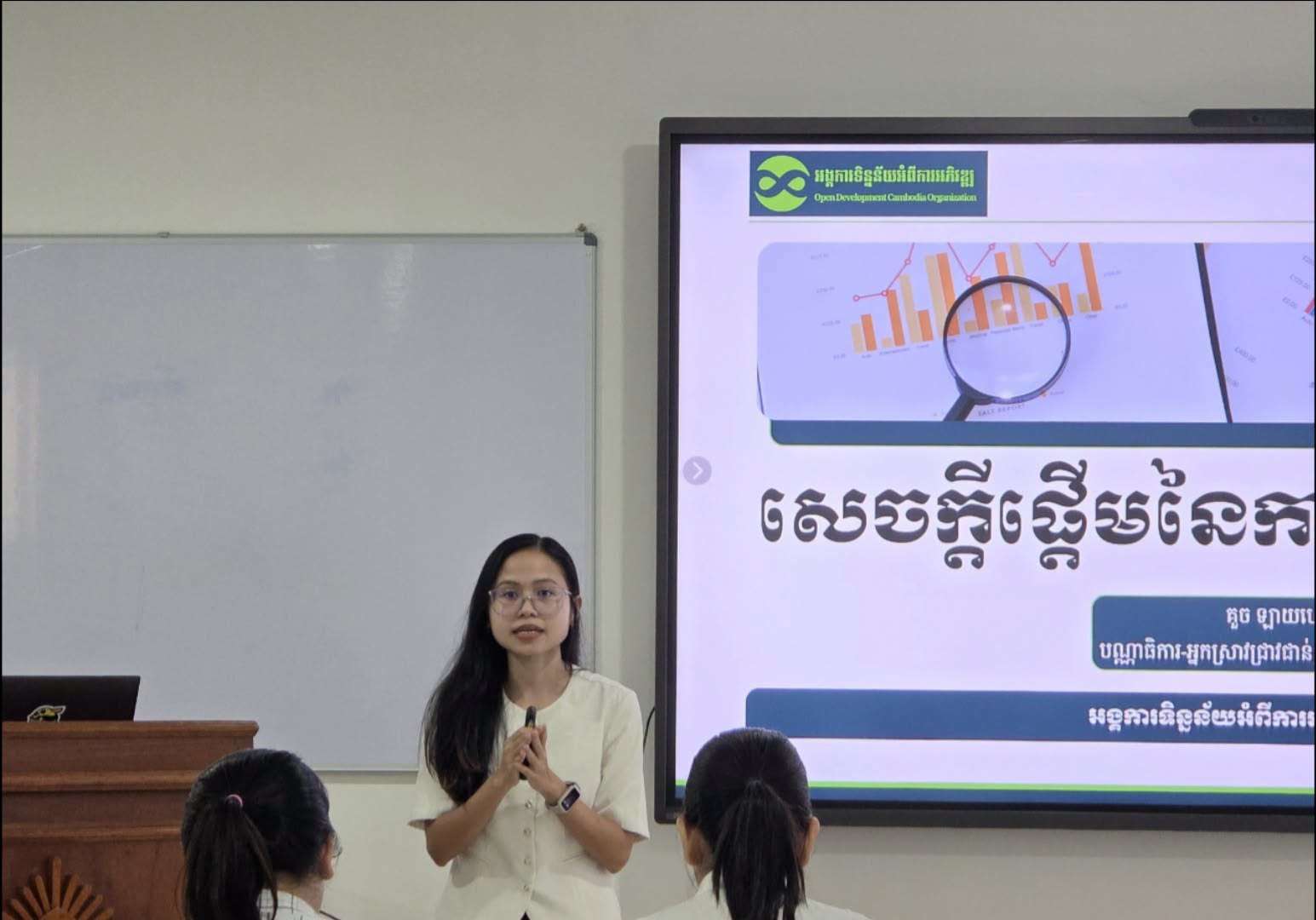
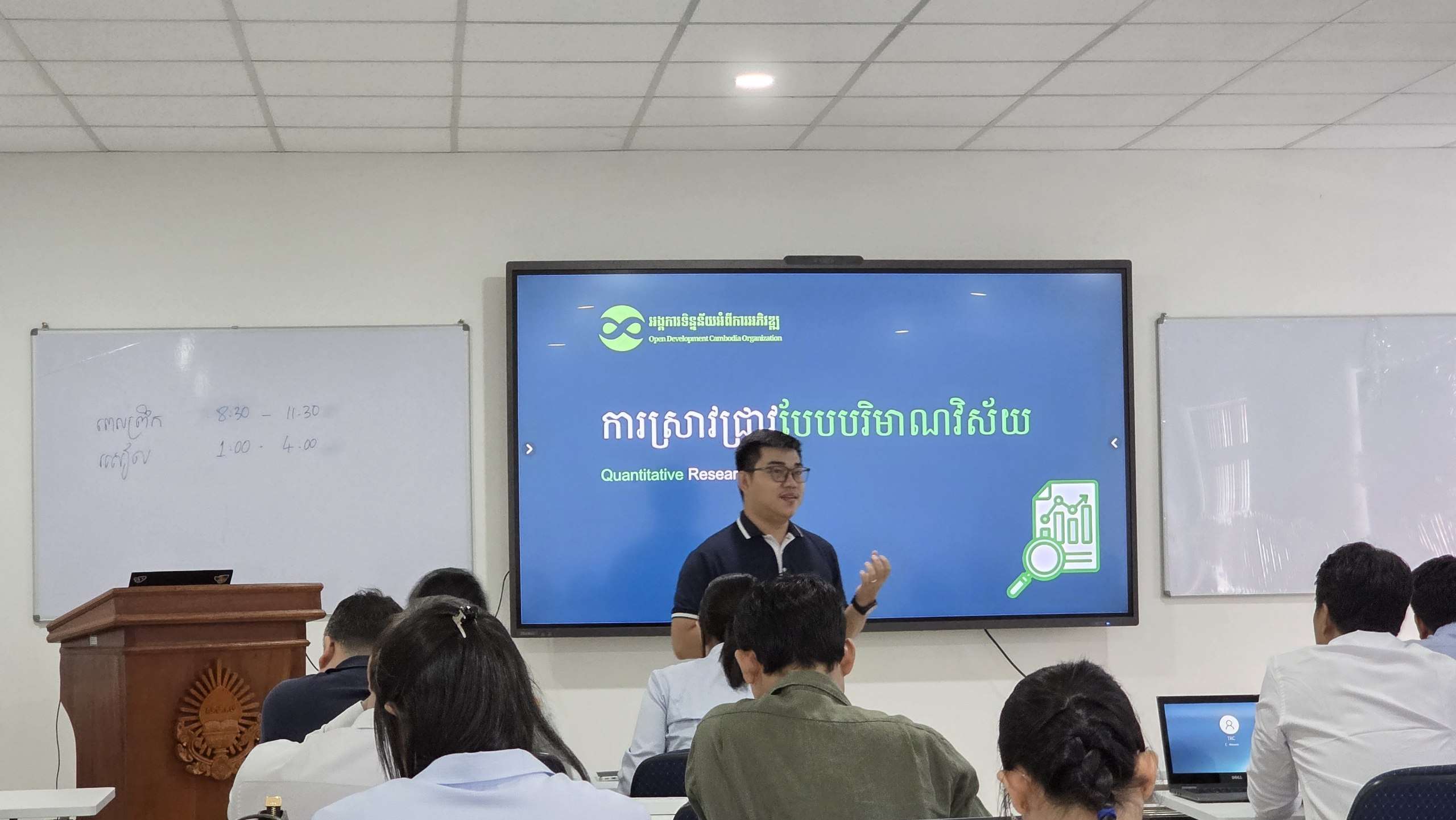
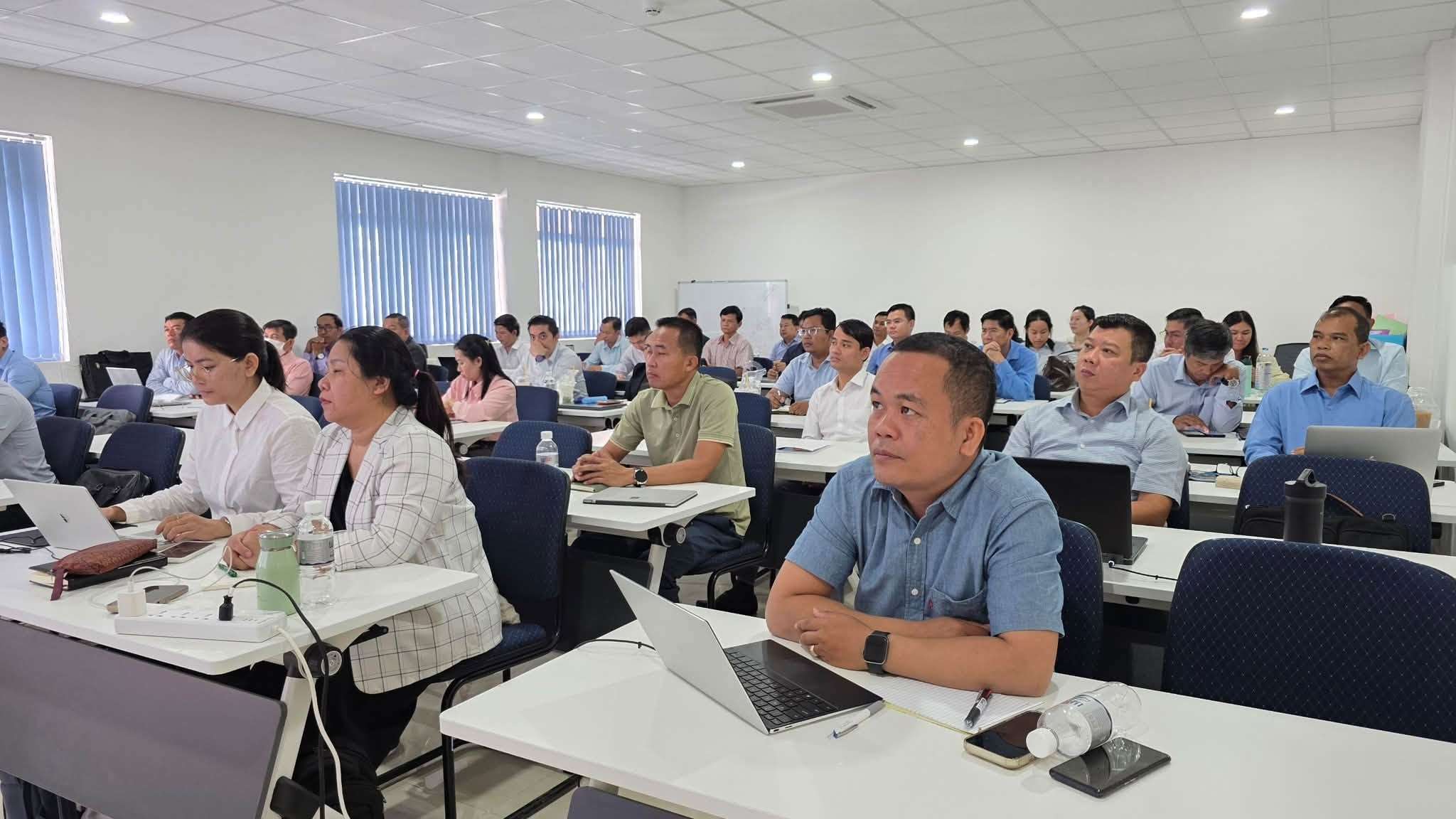
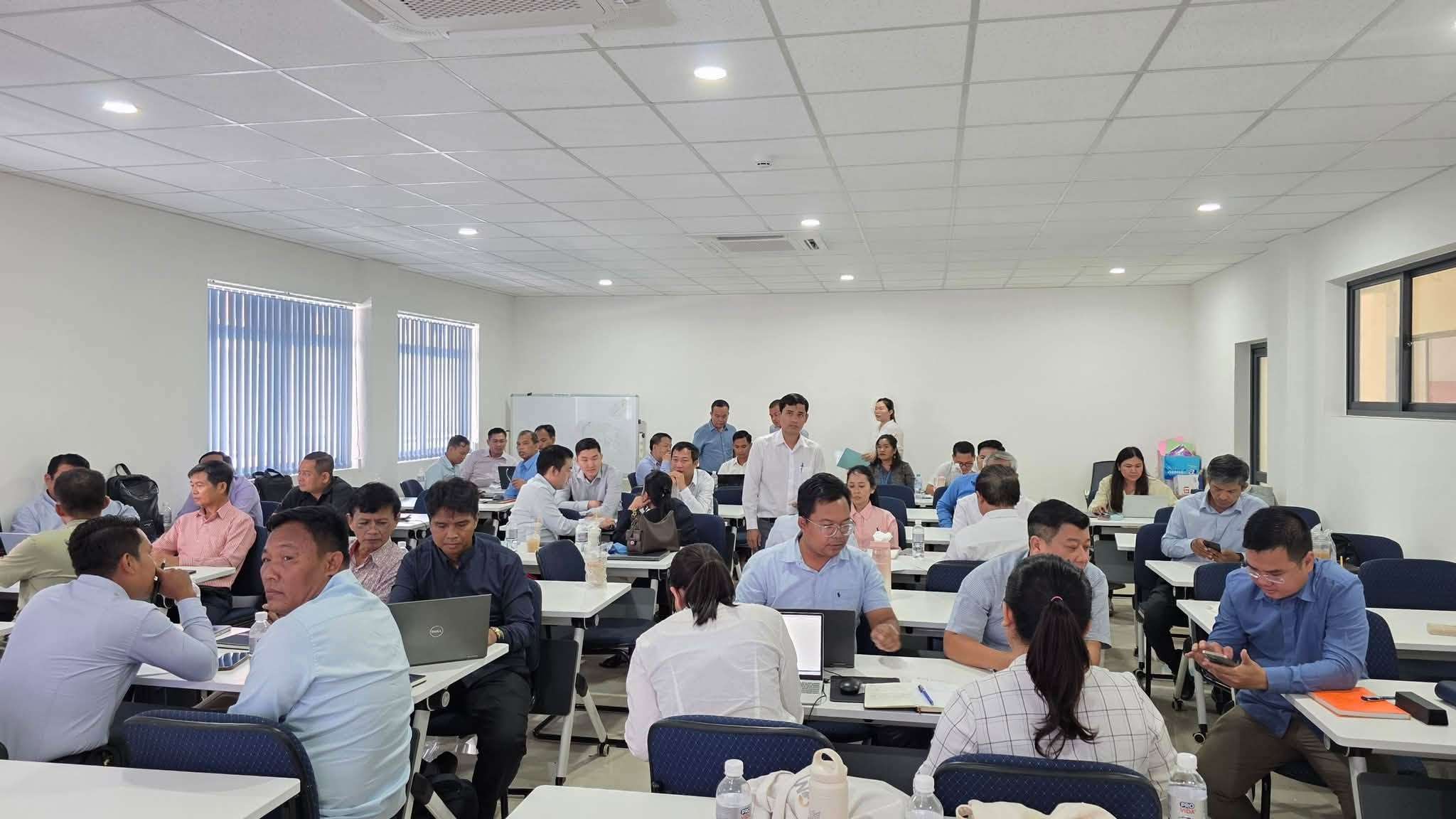
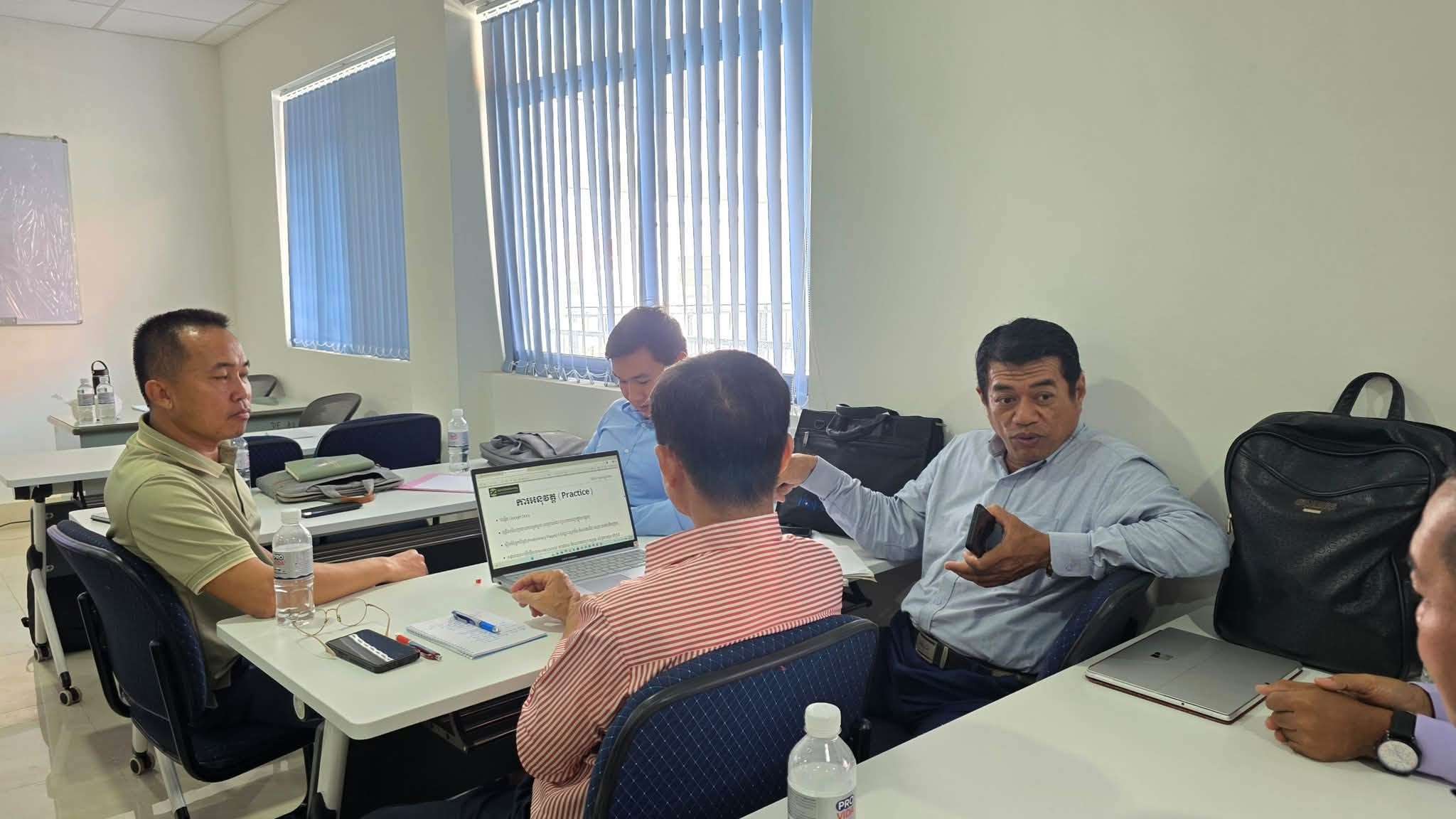

Foundation in Research: The training began with a refresher on essential research concepts and principles, ensuring that all participants had a solid grasp of the research structure. The session delved into the components of research, such as introduction, literature review, methodology, findings/results, discussion, and conclusion, while also highlighting key differences between qualitative, quantitative, and mixed-method research approaches, allowing participants to select suitable methods based on their research objectives. Participants were also introduced to the role of AI, along with an emphasis on its significance and limitations. With the assistance of AI tools, participants were able to quickly identify their research topics, formulate research questions, and determine appropriate approaches within their groups.
Introduction to Data and Quantitative Research: Following the exploration of research structure, the second day shifted to focusing on the role of data as a fundamental element in quantitative research approaches. Participants were introduced to how structured data plays an important role in describing characteristics, comparing results, and examining relationships between variables. The session also specifically addressed which AI tools and prompts could best support each process, including the development of questionnaires and the collection, cleaning, analysis, and interpretation of data. Through practice, participants gained a clearer comprehension of a more informed and responsible use of AI and data in quantitative research.
Practical Applications of AI Tools in Qualitative Research: The last day of training centered around the practical use of AI tools in qualitative approaches, enabling participants to gain hands-on experience with AI in the research process. Participants learned how to utilize AI responsibly, from designing interview questions and organizing interview transcripts to identifying recurring patterns and supporting thematic analysis. Ms. Kuoch Layheng also emphasized the ethical considerations and the important assistance of AI in organizing a large volume of information; however, it remains the researchers’ responsibility to validate the interpretation against original data to avoid bias and ensure the findings accurately reflect interviewees’ perspectives, meaning, and background.
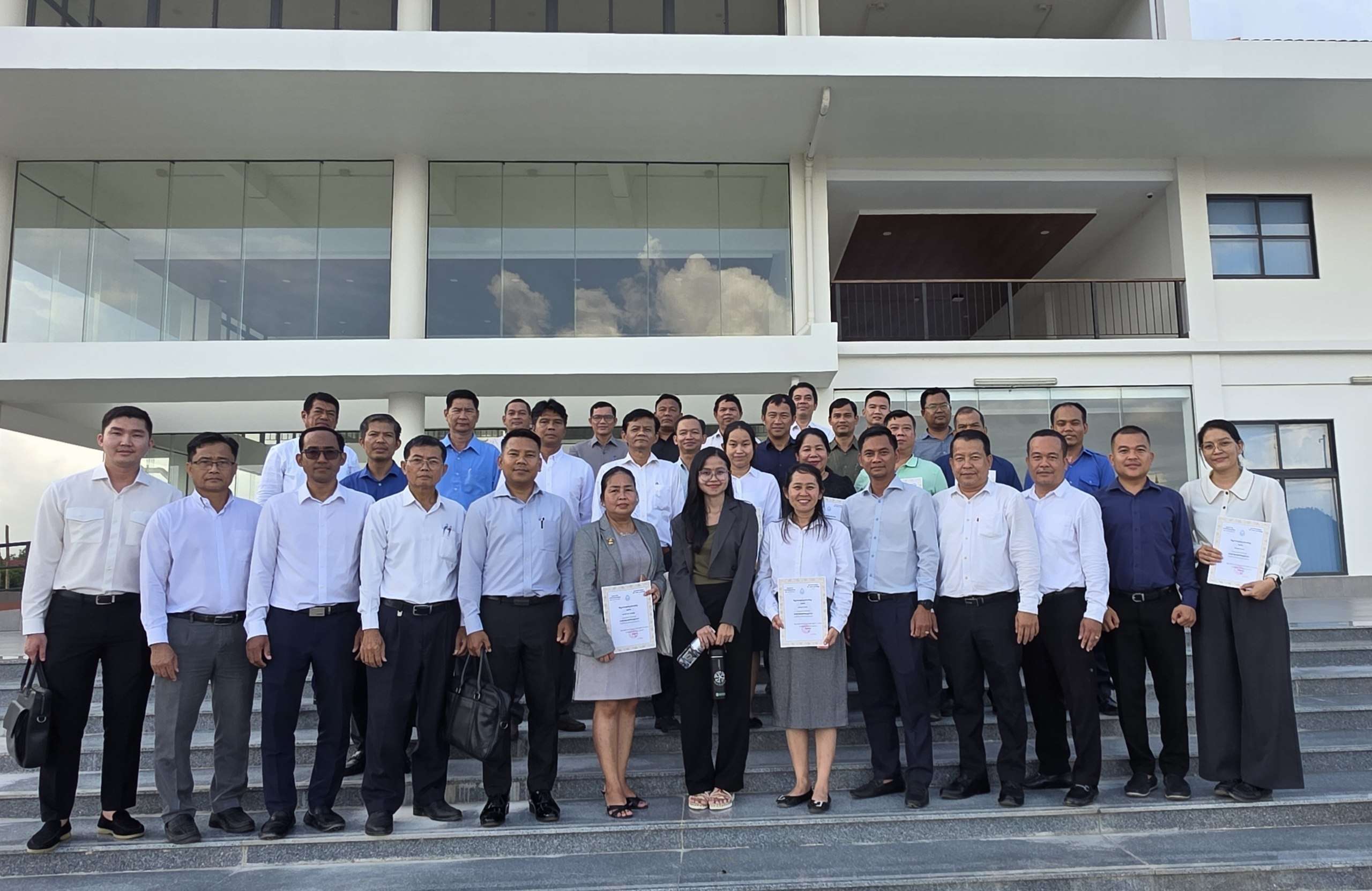
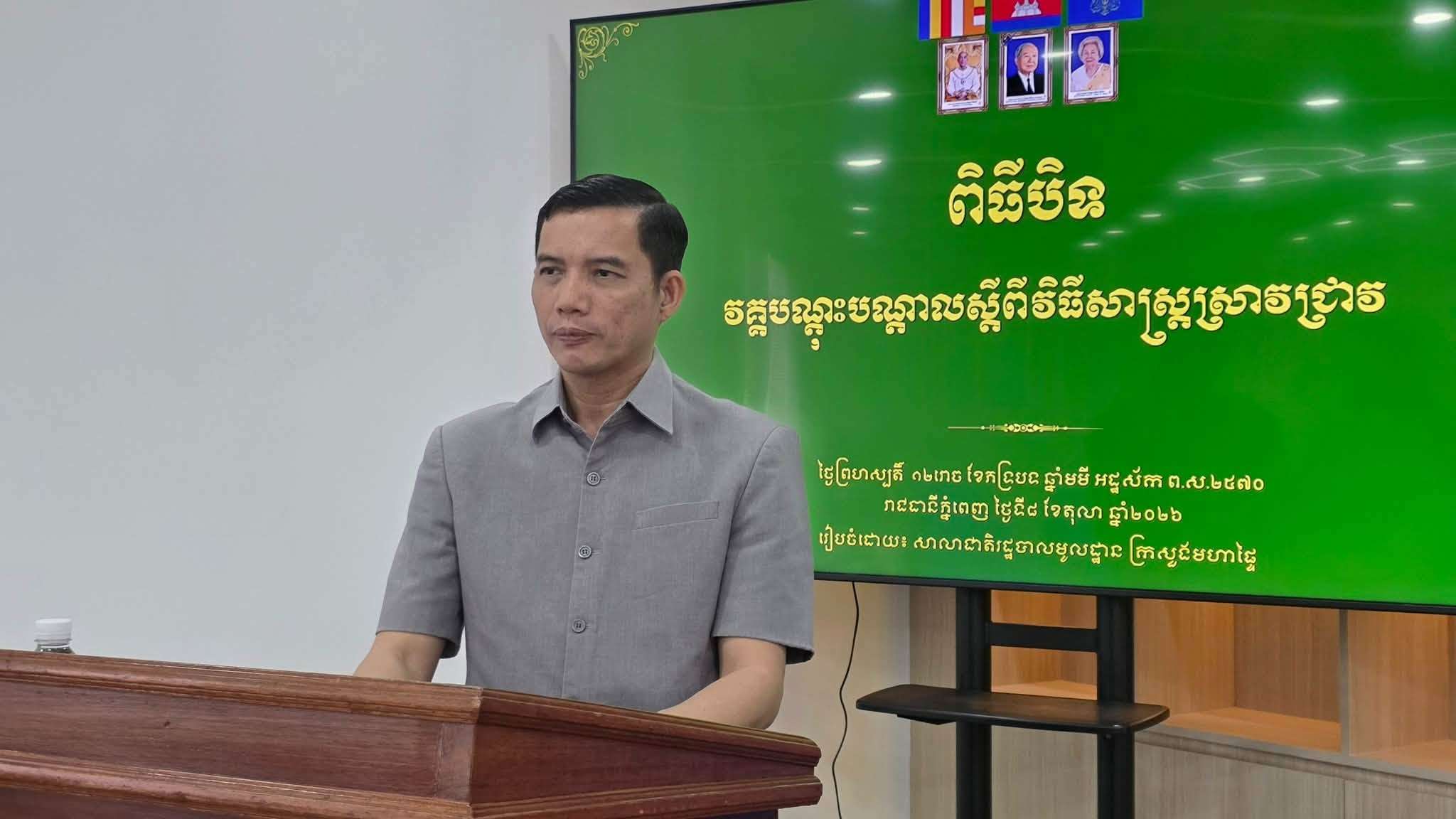
The training concluded with a concentration on how AI can be utilized as an assistant tool, but human verification is still a must. A remarkable closing speech was also delivered by Mr. Lim Putheary, Director of the Department of Training of NASLA, on behalf of H.E. So Munyraksa, President of NASLA. We are looking forward to more future collaboration between ODC and NASLA.

