ODC launches fisheries resource management information profile page
On 26 October 2026, Open Development Cambodia Organization (ODC) organized an event in Phnom Penh to launch its Fisheries Resource Management Information Profile Page, held in conjunction with a project closing workshop under the “Strengthening CSOs to Take Action on Economic Governance (SCAEG)” project. The event brought together more than 100 participants, including representatives from civil society organizations (CSOs), government institutions, the private sector, development partners, and coastal communities from Kep, Kampot, Preah Sihanouk, and Koh Kong provinces.
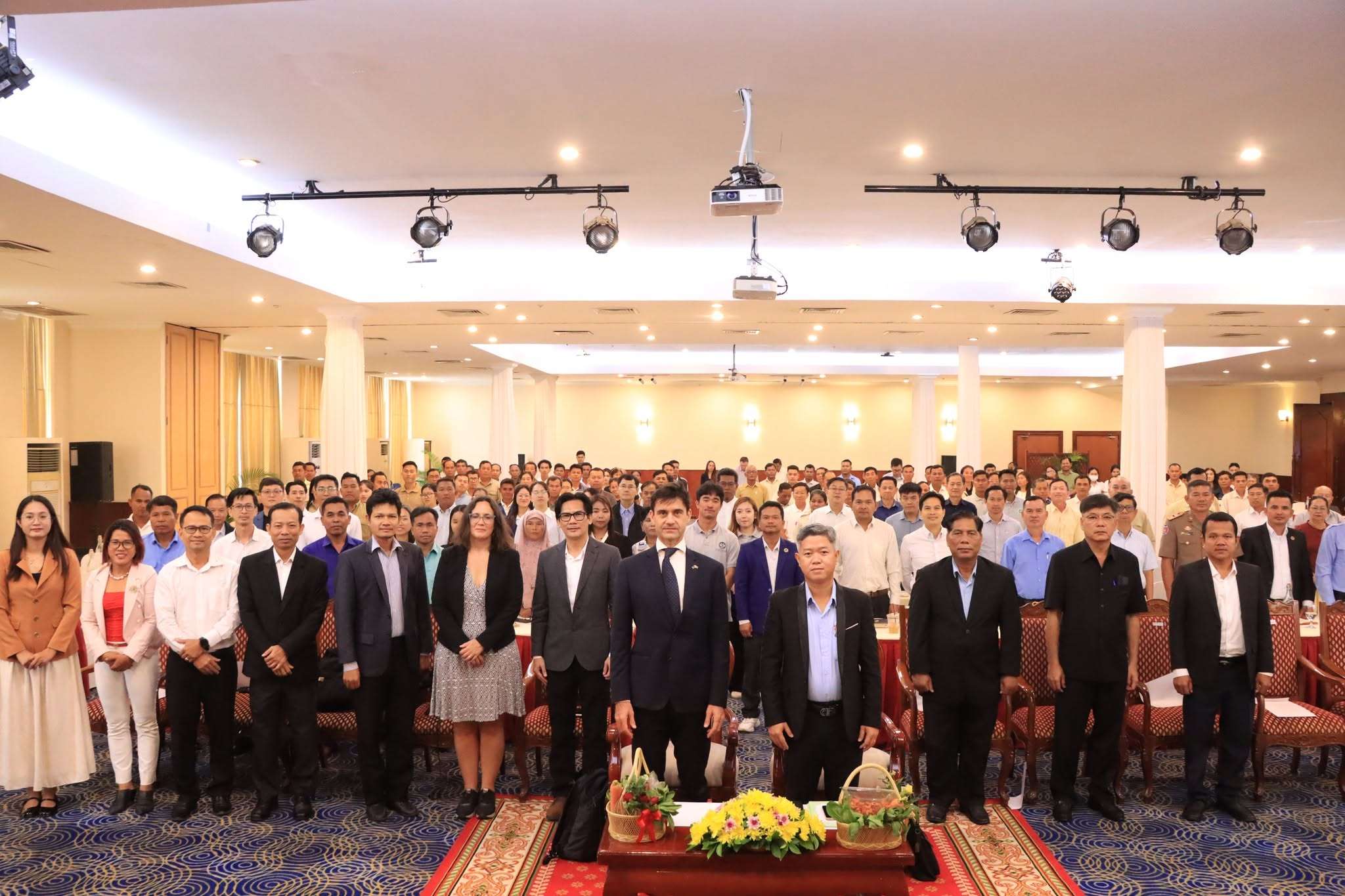
The event aimed to highlight the importance of access to information, community participation, and collaboration among stakeholders in promoting transparent, inclusive, and sustainable fisheries resource management. It also provided an opportunity to reflect on the project’s achievements, share community experiences, and recognize the contributions of coastal communities in documenting and communicating local stories.
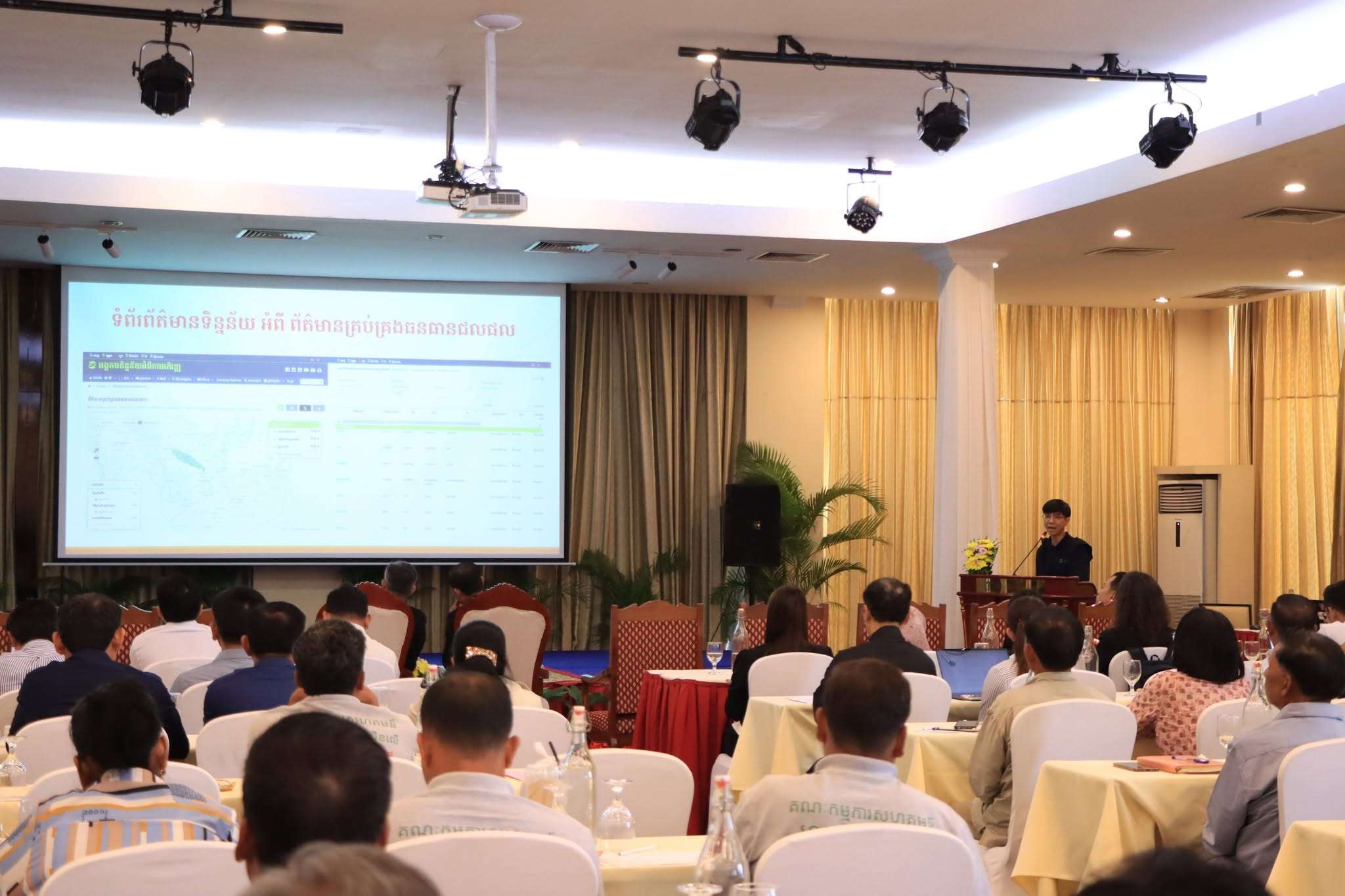
A key highlight of the event was the launch of ODC’s Fisheries Resource Management Information Profile Page, which provides data and information related to fisheries resource management and fishing communities. The profile page serves as an information resource to help stakeholders access relevant information and strengthen their understanding of fisheries resources and the communities that depend on them.
Access to reliable and accessible information is essential for informed decision-making, effective resource management, and meaningful public participation. By making fisheries-related data and information more accessible, ODC aims to support CSOs, community representatives, government institutions, and other stakeholders in using evidence to inform their work and contribute to sustainable coastal development.
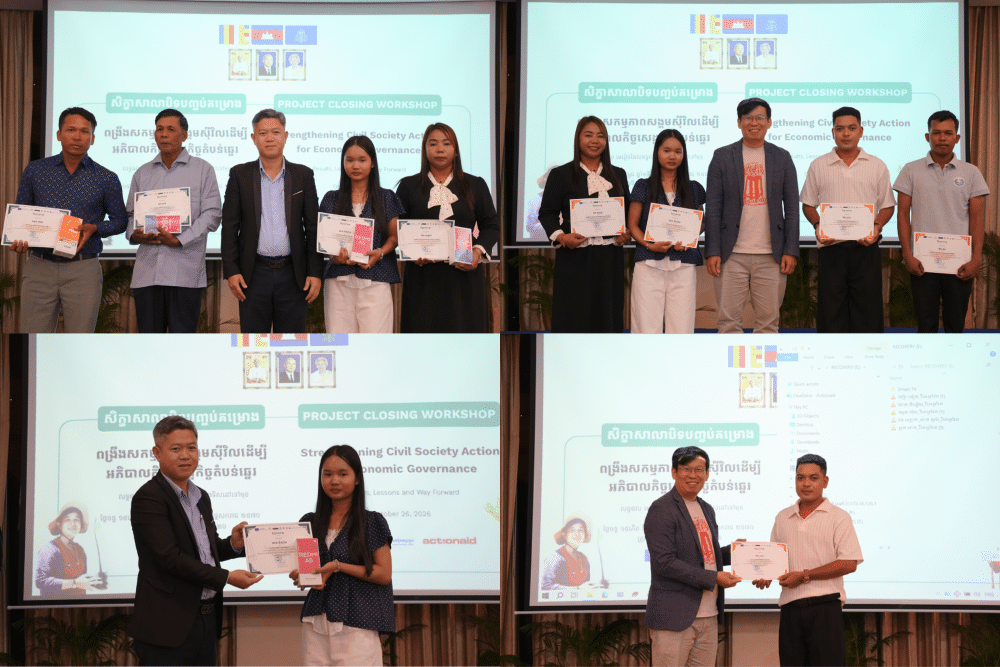
The event also featured an award and certificate presentation ceremony for the winning communities in a video competition. The competition recognized participants’ creativity and efforts in documenting and sharing local stories through video, highlighting community livelihoods, local initiatives, and experiences from Cambodia’s coastal areas.
The recognition provided an opportunity to celebrate community voices and showcase the role of digital storytelling in raising awareness of local development issues. By documenting their experiences and sharing their perspectives, coastal communities can communicate their priorities, highlight local achievements, and contribute to broader discussions about the management of fisheries resources and coastal development.
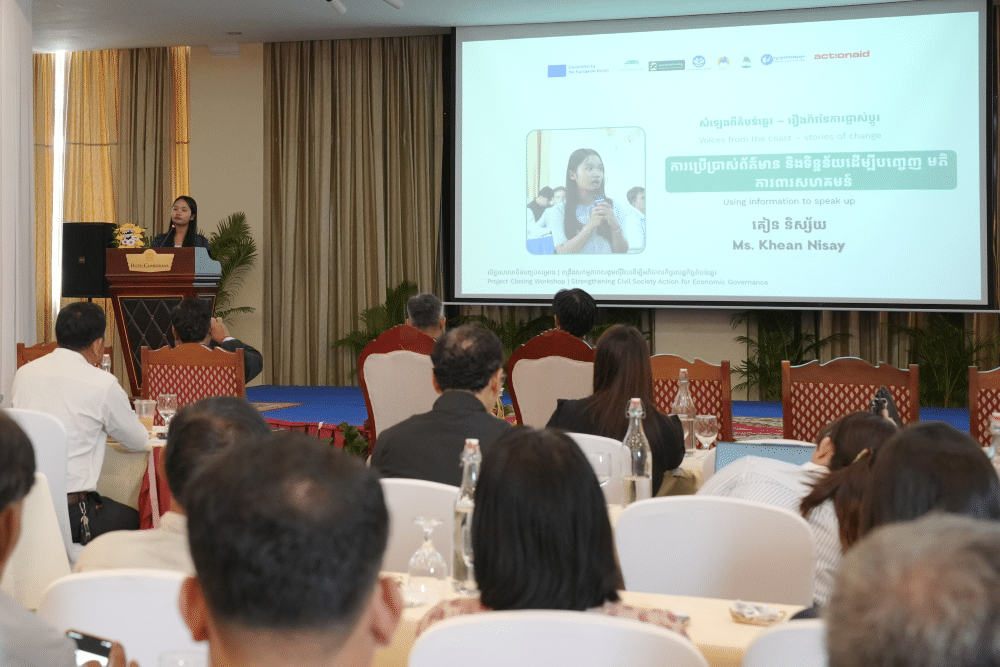
Over the past three years, the European Union-funded SCAEG project has worked to strengthen civil society organizations and coastal communities in Kep, Kampot, Preah Sihanouk, and Koh Kong provinces. The project has supported their efforts to access information, raise their voices, and participate in decision-making processes that affect their livelihoods and coastal resources.
The project closing workshop provided a space for participants to reflect on key achievements, share community stories of change, showcase tools and lessons learned, and discuss opportunities for continued collaboration. Representatives from government institutions, businesses, civil society organizations, development partners, and communities were brought together to emphasize the importance of collective action in promoting transparent, accountable, and inclusive coastal development.
The discussions also highlighted the need to sustain community networks, strengthen the participation of women and young people, and ensure that coastal communities continue to have meaningful opportunities to contribute to decisions affecting their lives and the resources on which they depend.
The event marked an important milestone in ODC’s efforts to promote access to information, strengthen community participation, and support evidence-based decision-making in Cambodia’s coastal regions. The launch of the Fisheries Resource Management Information Profile Page, together with the recognition of community storytelling achievements, demonstrated the value of combining accessible data with local knowledge and community experiences.
As the SCAEG project concludes, sustaining the progress made will require continued collaboration among civil society organizations, government institutions, the private sector, development partners, and coastal communities. Ensuring access to reliable information and creating opportunities for meaningful participation remain important steps toward strengthening accountability and supporting the sustainable management of fisheries resources.

