Ideathon: Unlocking new horizons
When I first joined the Ideathon, I never imagined that it would lead to a study visit to Singapore. Winning the Ideathon and gaining the opportunity were both an honor and a turning point for our team. We began with Refair, an idea for a tool designed to detect gender bias in datasets. Throughout this meaningful journey, we challenged our assumptions, sharpened our vision, and transformed the idea into a more refined and impactful solution.
The Ideathon was intense from the very beginning. There were tight deadlines, constant discussions, and moments of doubt. Yet, there was also excitement, especially when we realized that our idea addressed a real and important problem. Data drives so many decisions today, yet bias in datasets often goes unnoticed.
As the competition progressed, we discussed our ideas with our mentor, Mr. Dixon Siu, receiving feedback that pushed us to think deeper. When Refair was announced as a winning project, it felt unreal. That moment was not just about winning; it was about knowing that our idea mattered.
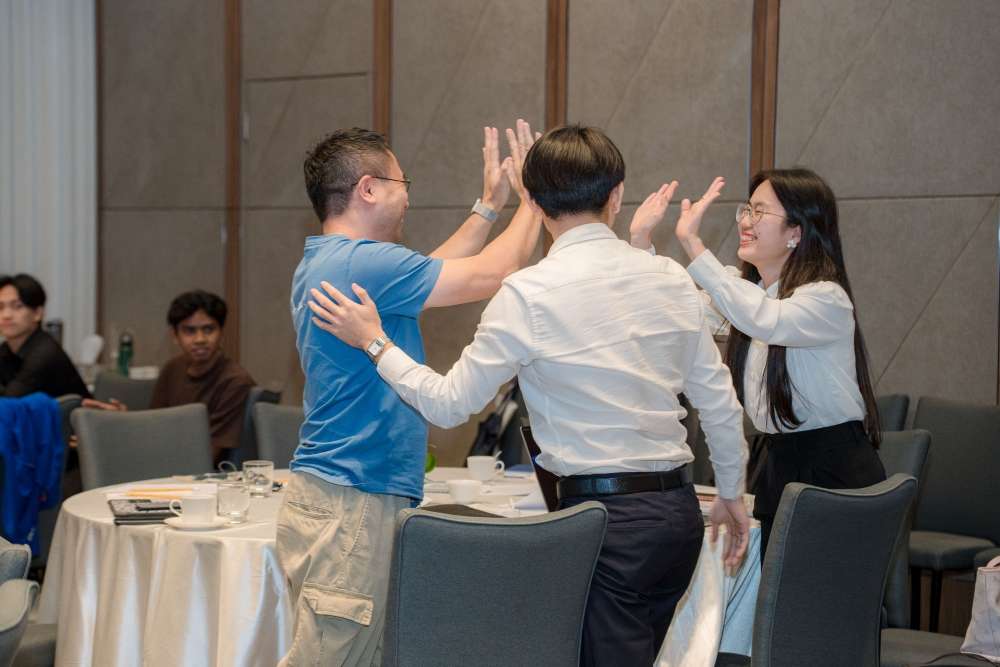
Before travelling to Singapore, I was so excited, knowing that the experience would offer valuable opportunities to learn and grow. I expected to learn about technology, innovation, and policy, but I did not expect how deeply the experience would influence me.
From the moment I arrived, Singapore felt different. Throughout the study visit, I was exposed to new ideas, technologies, and perspectives that showed how data, ethics, and social responsibility can work together to create real impact. Through discussion with professionals, I began to understand that building responsible AI is not only about having strong technical skills. It demands collaboration across sectors, thoughtful regulation, strong communication, and a commitment to human-centered values. I saw how digital rights, data protection, Internet governance, and trustworthy AI are not separate topics, but parts of a larger ecosystem that shapes how technology impacts society.
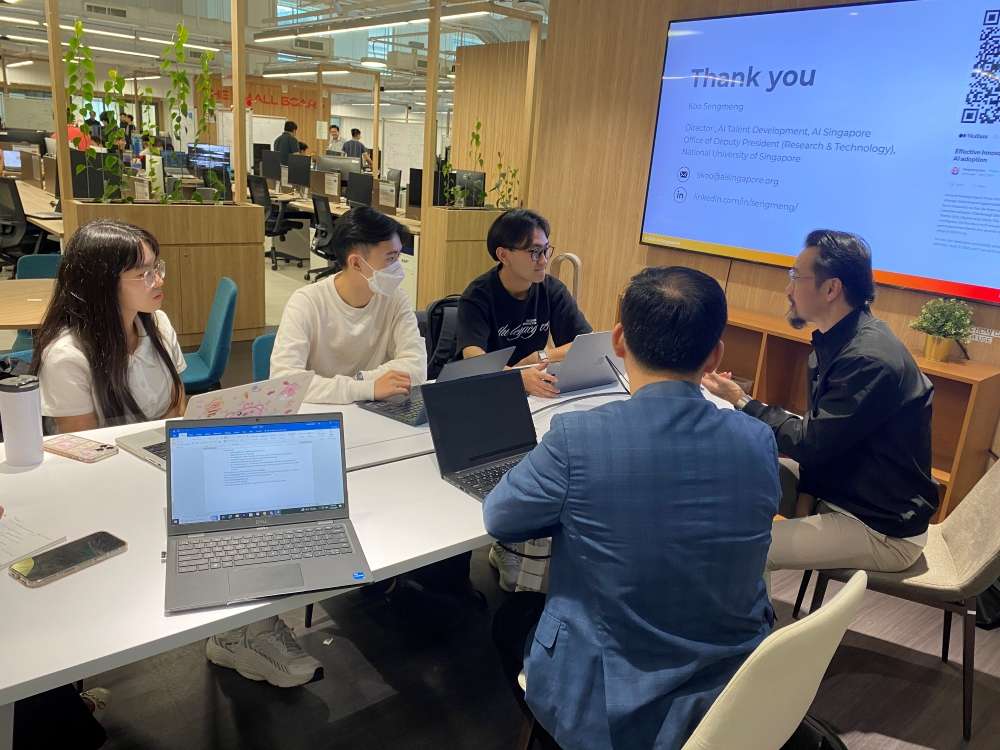
Looking back, the Ideathon and the study visit were more than competitions or trips; they were transformative experiences that had inspired me to pursue ideas that promote fairness and inclusion and had given me a clearer sense of purpose in using technology to make a positive difference in the world.
The study visit helped us see Refair from a broader perspective, as we realized that creating a bias detection tool is only the first step. To create real impact, it must align with policies and maintain strong ethical principles. These lessons will shape the next stage of Refair’s development.
Moving forward, our team is motivated to continue refining Refair. We aim to improve the tool’s accuracy, usability, and ability to generate meaningful insights for organizations. We also hope to collaborate with more stakeholders and explore how Refair can support ethical AI practices in Cambodia and beyond. The experience in Singapore strengthened our ambition to contribute to building inclusive AI ecosystems in our region.
As a team, this journey strengthened our collaboration and confidence. We learned how to adapt, explain our ideas clearly, and think carefully about both the technical and social sides of our work. The Ideathon taught us to be resilient, and the study visit helped us see the world in a broader way.
We are deeply grateful to GIZ Cambodia and Open Development Cambodia (ODC), who made this opportunity possible. Their support allowed us to gain invaluable exposure to Singapore’s tech and policy ecosystem.
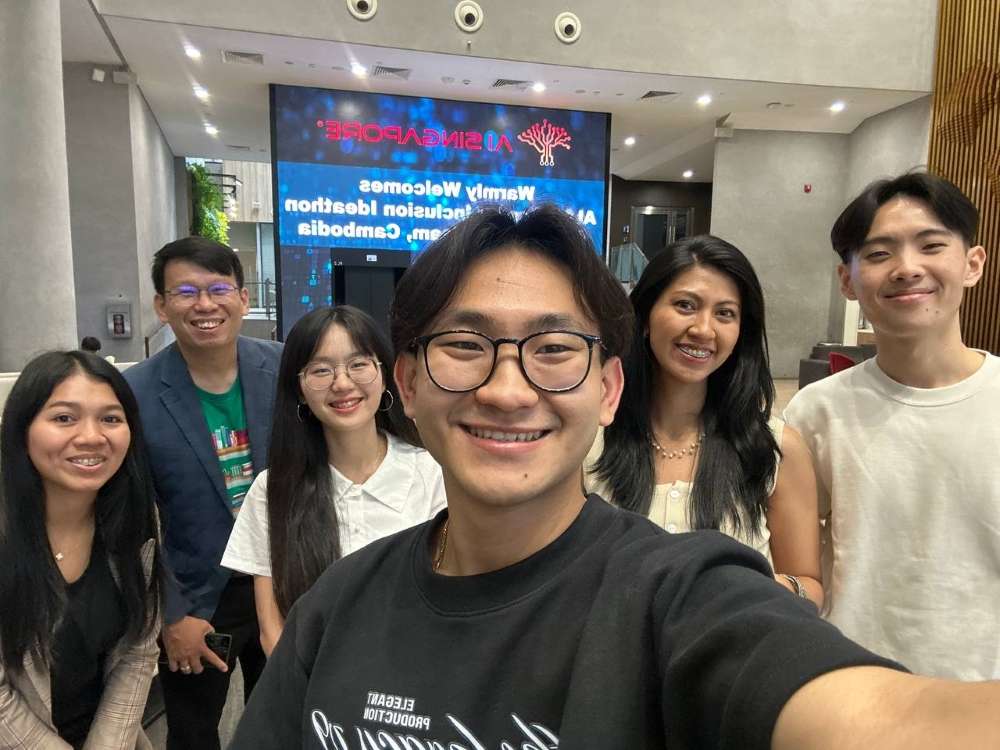
The Ideathon and study visit were more than achievements; they were transformative experiences. They clarified our purpose and inspired us to continue working toward fair, inclusive, and human-centered AI systems. We look forward to applying these lessons as we further develop Refair and contribute to a more equitable digital future.
 My name is Taing Muyleang, and I’m a Computer Science student at the American University of Phnom Penh with a passion for artificial intelligence and its potential to create social impact. I had the opportunity to participate in the AI for Gender Inclusion ideathon, where I contributed ideas and explored AI-based approaches to promote equality and inclusivity. I love applying technology to solve meaningful problems, continuously learning, and creating work that makes a positive difference.
Beyond this, I am especially interested in innovative AI applications that tackle real-world challenges. I thrive in collaborative environments where I can both learn from others and contribute my skills to impactful projects. My goal is to leverage my technical knowledge and creativity to drive positive change through technology.

