Strengthening evidence, response, and cooperation: reflections from the TFGBV report validation workshop
On 3 July 2026, the Open Development Cambodia (ODC) team convened a report validation workshop to review and strengthen its annual report, Technical Support for TFGBV Case Monitoring and Service Delivery 2026. The report was produced under the Defending Women’s Rights to Safety in the Digital Space Project (Digi-Fem), implemented in collaboration with Klahaan Organization, with support from the UN Trust Fund.
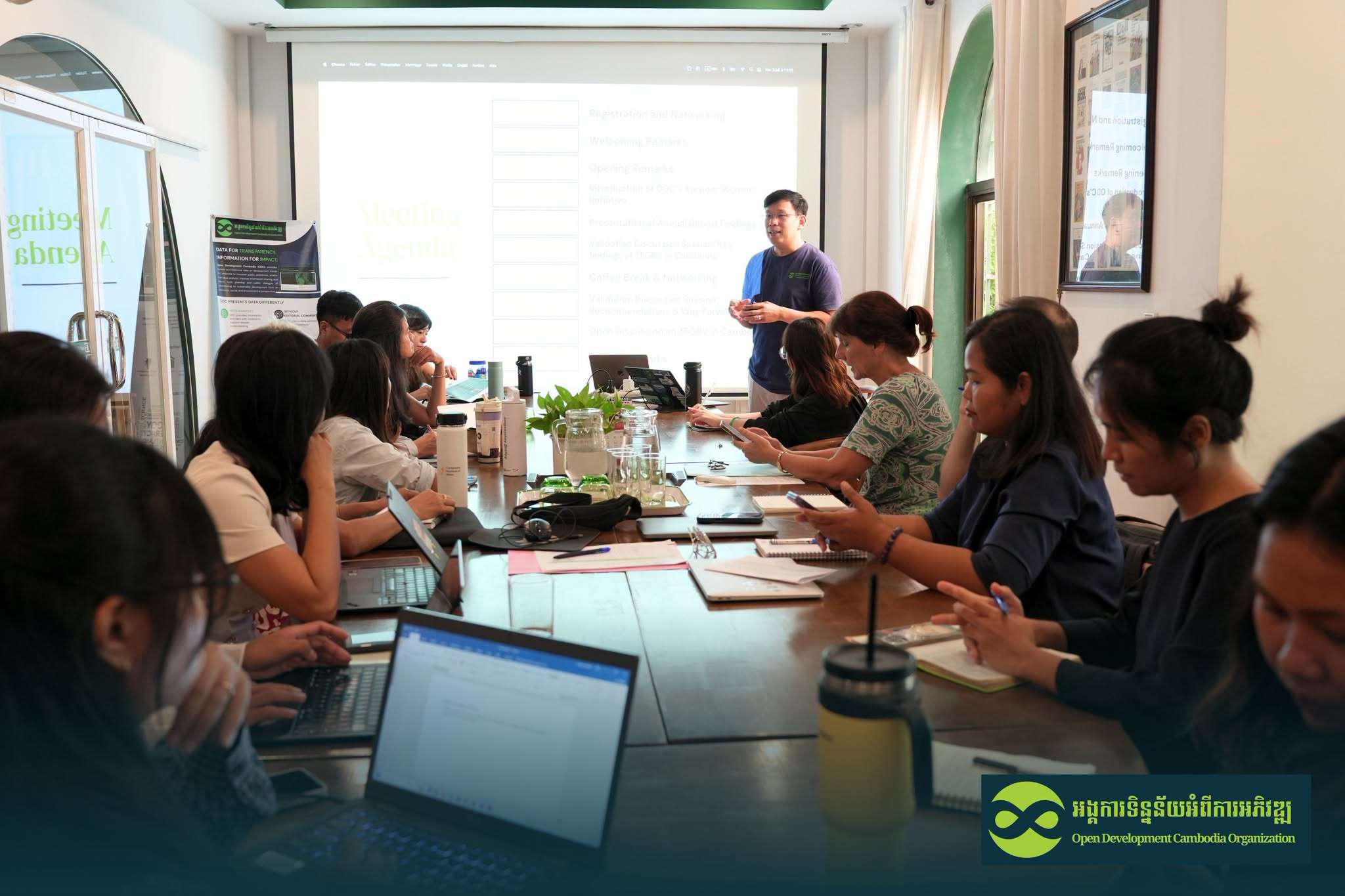
The workshop brought together 18 participants working across the fields of gender equality and the rights of women and LGBTQIA+ communities, including 13 female, 1 LGBTQIA+ community member, and 4 male participants. Through active discussions, constructive feedback, and the exchange of experiences, participants contributed valuable insights to strengthen the report. The workshop fostered meaningful collaboration and proved to be an engaging and fruitful opportunity to enhance the quality and relevance of the report.
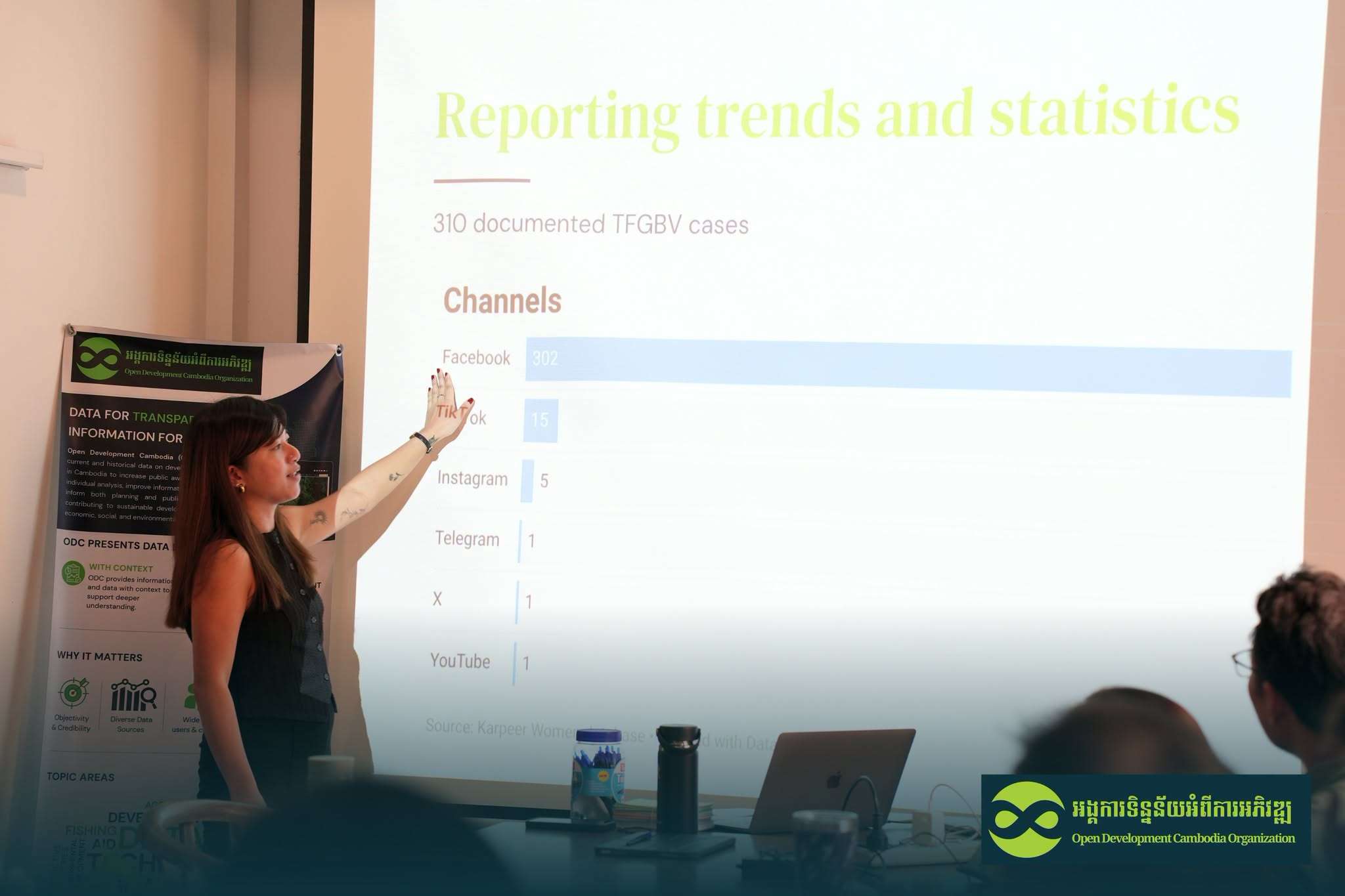
After the draft report presentation, participants were divided into three groups to reflect on three guiding questions: whether the findings resonated with what they had seen in their own work and what surprised them or did not; where the biggest gaps lay between what was documented and what they believed was actually happening on the ground; and whether there were groups, platforms, or contexts missing from the report.
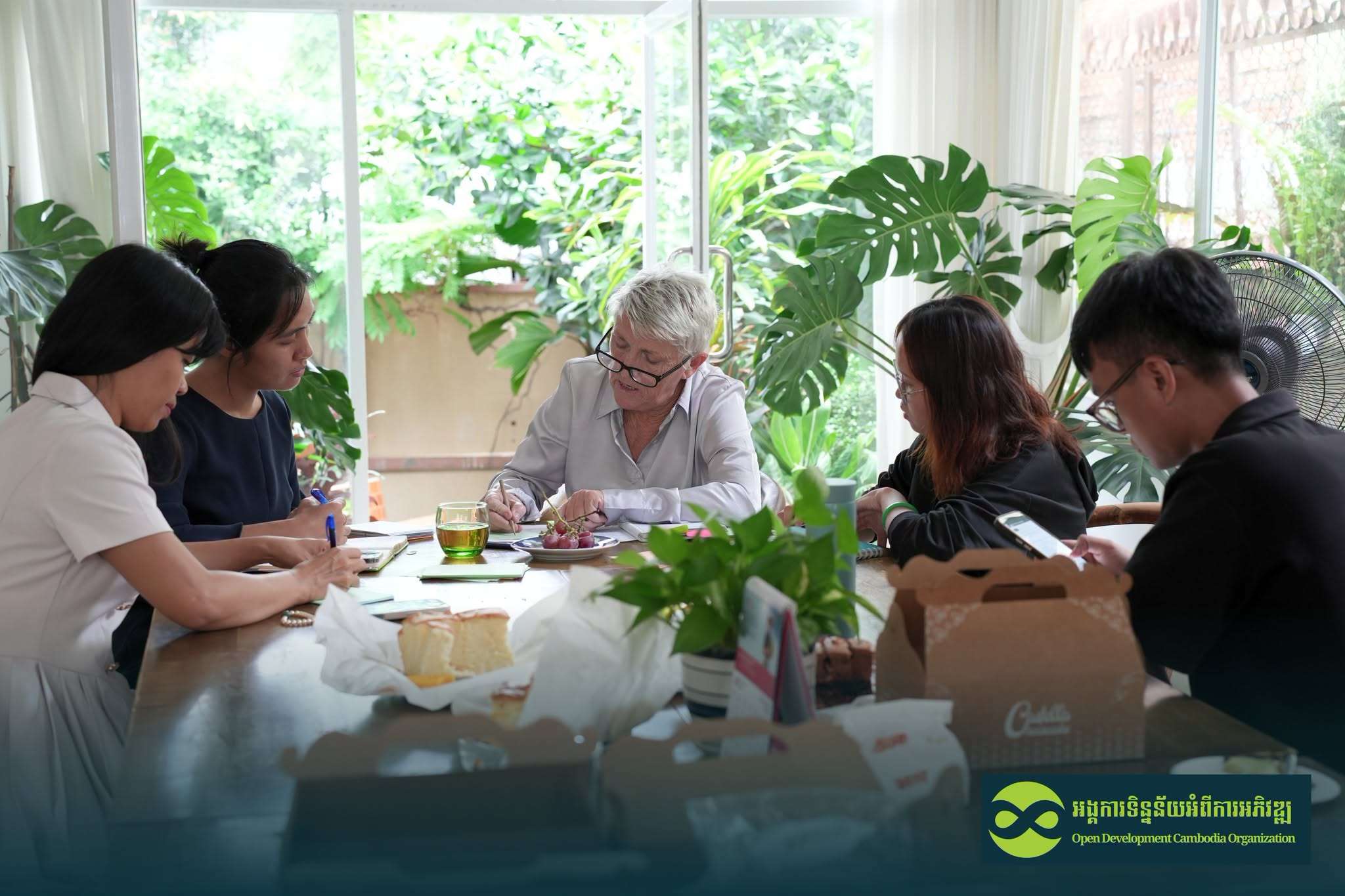
These discussions surfaced several concrete recommendations for strengthening the report. Participants noted that current reporting tends to leave perpetrator profiles blurred, while survivors’ identities are comparatively easier to trace, and agreed this imbalance should be corrected by capturing gender-disaggregated data on perpetrators alongside survivor data. They also observed that existing channels for reporting TFGBV cases do not always offer survivors an adequate sense of safety, which can discourage disclosure and limit the completeness of the data collected.
Building on this, groups emphasized the need to invest in outreach activities that help the public, and survivors themselves, recognize and name TFGBV when it occurs, as a precondition for reporting and seeking support. Finally, participants suggested that the report could go further in identifying who survivors are currently turning to for help, whether formal services, informal networks, or peers, in order to better understand the real pathways to support.
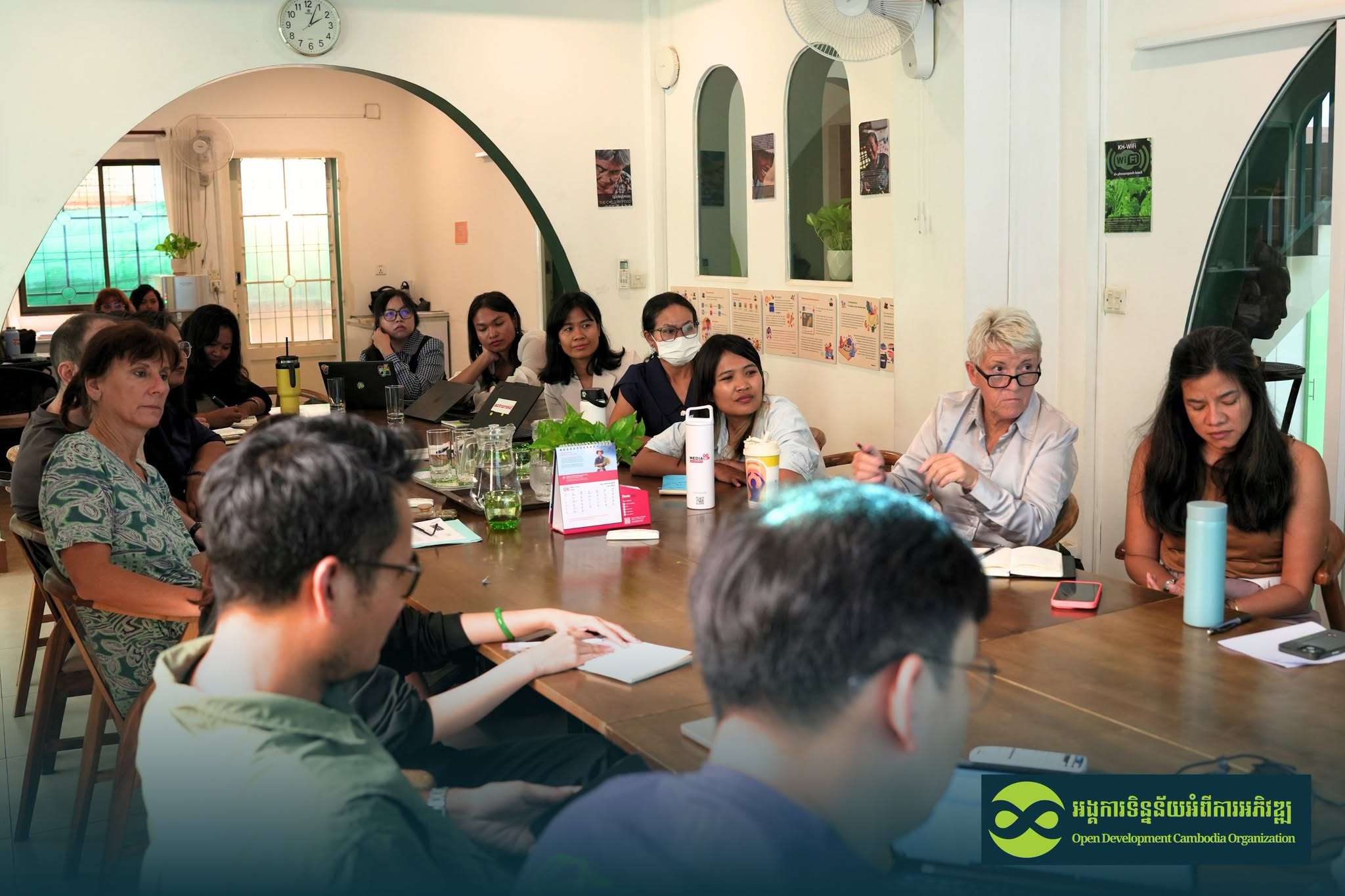
The second segment was an open plenary discussion, with all participants contributing as a single group around three questions: the key barriers preventing effective collaboration among stakeholders working on gender equality, digital safety, and violence prevention, and how these might be addressed; how existing legal and policy frameworks on cybercrime and GBV could be better implemented to improve survivor protection, access to support services, and accountability for perpetrators; and what practical mechanisms or partnership models could enhance multi-stakeholder coordination and ensure a survivor-centered approach to preventing and responding to TFGBV.
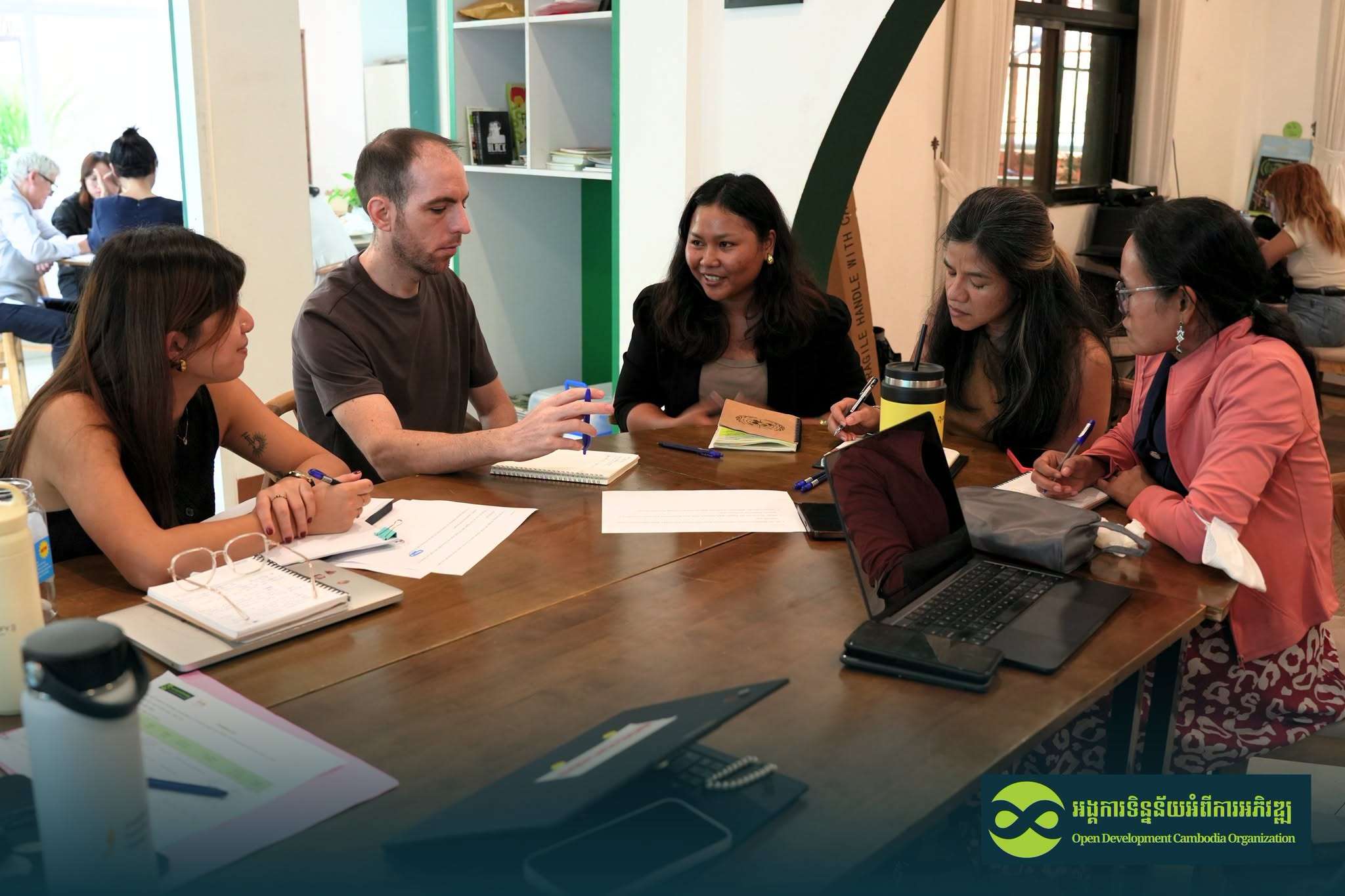
The plenary surfaced a rich set of recommendations for strengthening collective action. Participants called for civil society to strengthen its qualitative research capacity, complementing existing quantitative case data with deeper contextual understanding, and for building peer-to-peer support structures to address the secondary trauma experienced by frontline responders and case workers, who are often exposed to distressing material without adequate support systems of their own. They proposed establishing a community of practice, with regular gatherings for practitioners to exchange experiences, provide mutual support, and troubleshoot shared challenges, and aligning both formal and informal networks working on TFGBV to streamline collective progress and reduce duplication of effort.
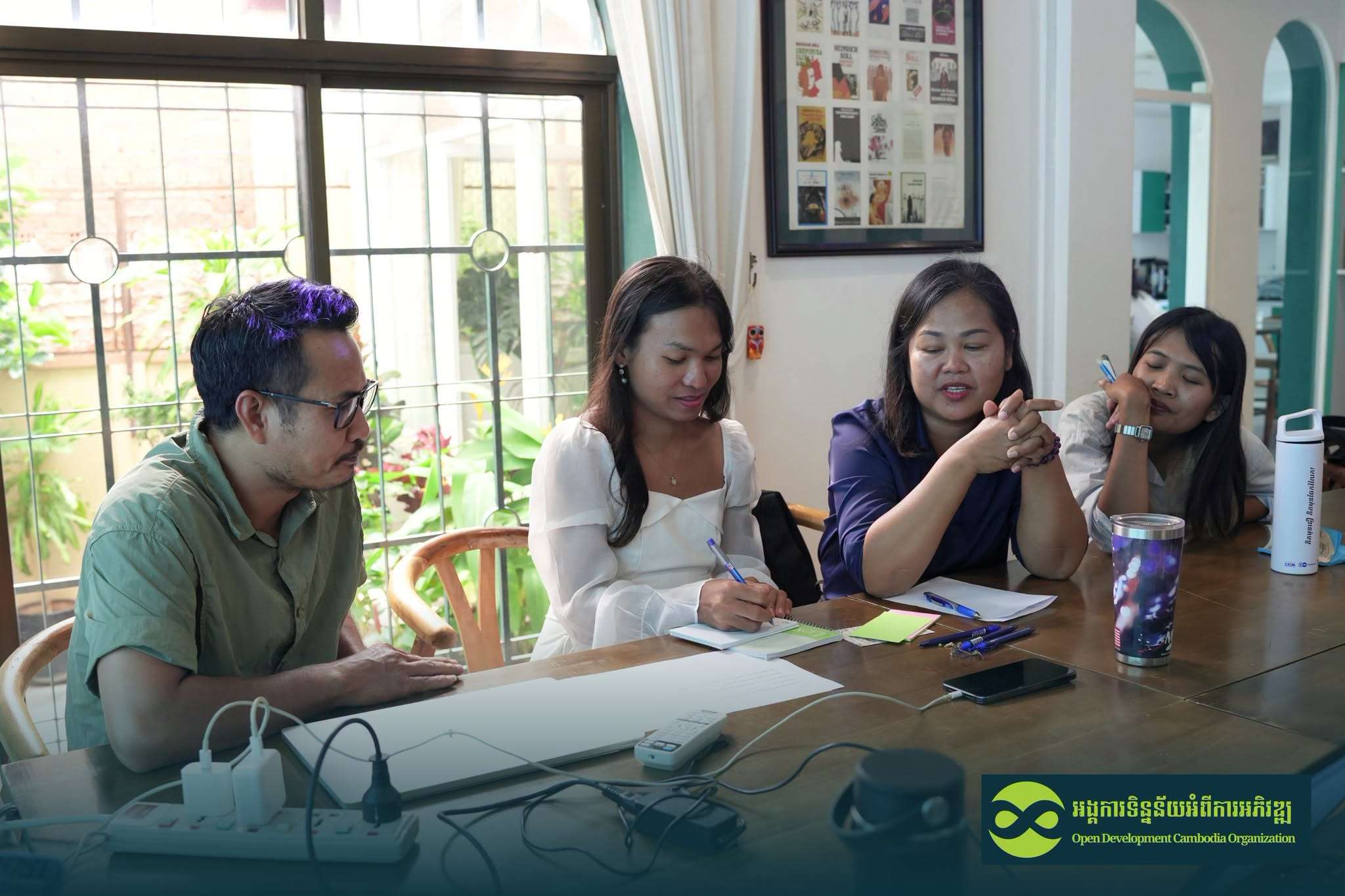
On the institutional side, participants highlighted the importance of training civil servants, particularly police in day-to-day public-facing roles, on gender awareness, so that survivors are better received and treated when they come forward, alongside continued policy advocacy to have TFGBV explicitly integrated into cybercrime legislation. Finally, participants pointed to the need to engage directly with digital platforms such as Meta; while acknowledging this would be a challenging undertaking, they agreed it is achievable if pursued as a coordinated community effort rather than by individual organizations alone.
The workshop was a reminder that no single organization can address TFGBV alone. From gender-disaggregated data to peer support networks and platform engagement, the path forward depends on sustained cooperation among CSOs, government actors, and technology platforms alike. ODC looks forward to carrying this collaborative energy into the finalization of the report and into the broader work ahead, and invites continued dialogue with partners and practitioners committed to a safer digital space for all.

