Open data for shared prosperity: ODC at EITI 2026
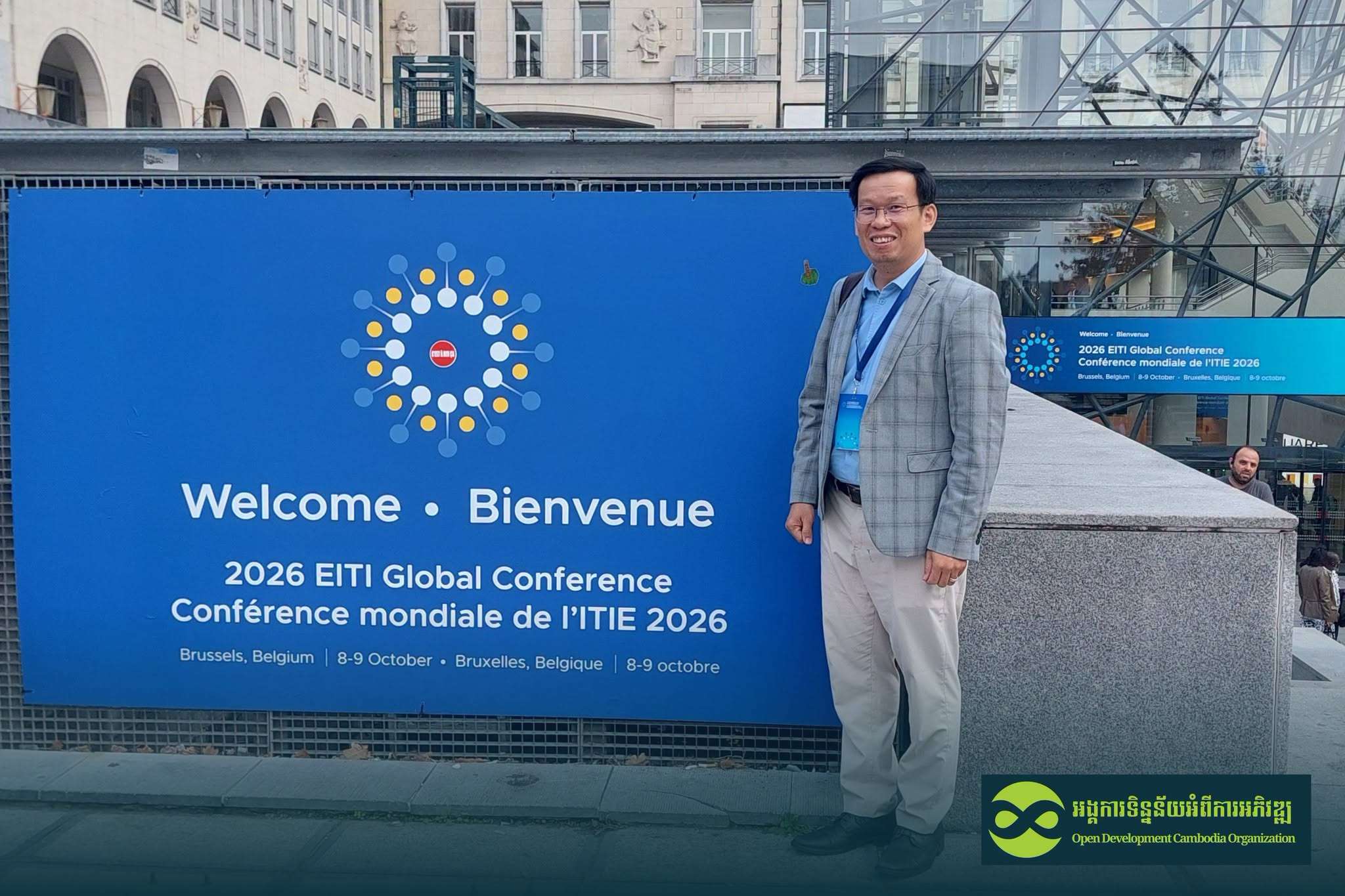
Thy Try, Executive Director/Editor-in-Chief of Open Development Cambodia Organization (ODC), at the 2026 EITI Global Conference
On 08-09 October 2026, Thy Try, Executive Director/Editor-in-Chief of Open Development Cambodia Organization (ODC), attended the 2026 Extractive Industries Transparency Initiative (EITI) Global Conference in Brussels, Belgium. Under the theme “Transparency for shared prosperity,” the conference brought together more than 1,000 stakeholders from governments, companies, civil society, and development partners. Over two days, leaders, policymakers, and practitioners from more than 50 countries exchanged experiences, showcased innovations, and strengthened collaboration to advance responsible natural resource governance. For ODC, the conference provided an opportunity to share open data resources and connect global discussions with its work in Cambodia: making reliable information accessible, supporting public dialogue, and helping communities understand decisions affecting their land, livelihoods, and natural resources.
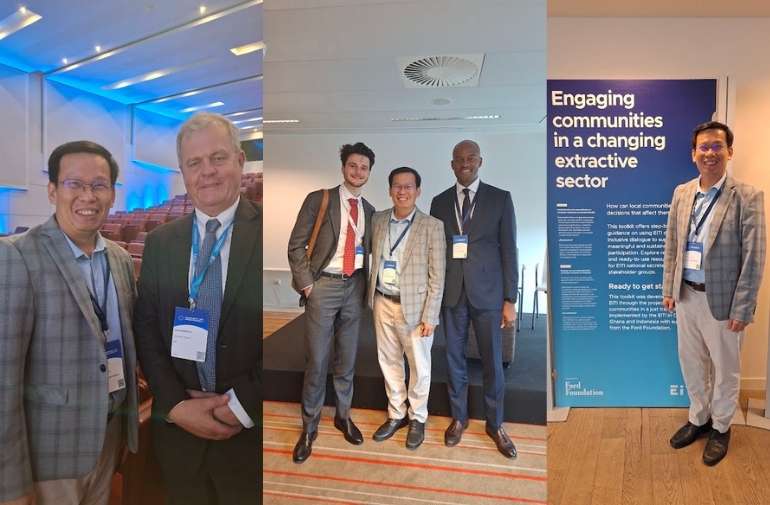
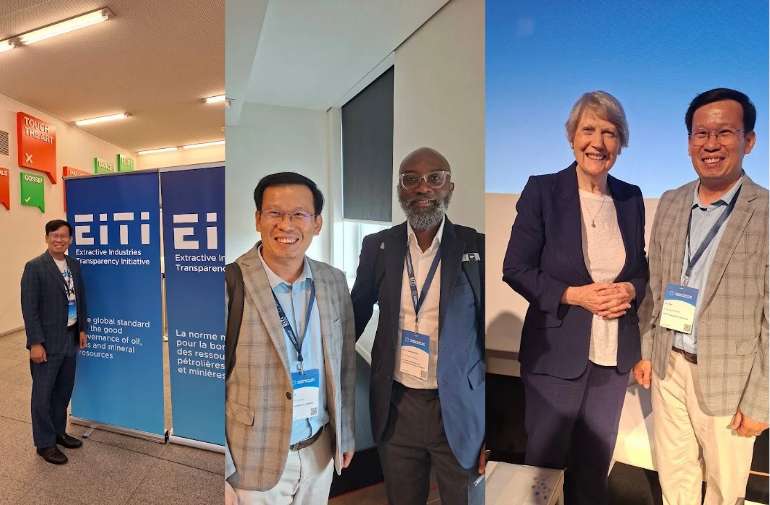
Critical minerals emerged as one of the conference’s most prominent topics, attracting considerable stakeholder interest. Discussions focused on their growing importance for the energy transition and the need for transparent, accountable governance across mineral supply chains. In the discussions that followed, critical minerals received greater attention than oil and gas. This emphasis highlighted the importance of ensuring that rising mineral demand is accompanied by responsible investment, reliable information, and meaningful participation by affected communities. For ODC, these discussions reinforced the need to make complex mineral data accessible and useful. Communities need information to understand proposed developments, assess potential impacts, and participate in decisions about how benefits and risks are shared.
Trust was a central topic of the conference discussions. Reliable information provides an essential foundation for accountable natural resource governance and informed decision-making. Publishing data is an important first step. Its value grows when people can understand it, assess its reliability, and use it to ask questions. Clear sources, careful verification, and explanations of data limitations help build confidence and make information gaps visible. Open data can provide a shared foundation for dialogue among communities, government institutions, businesses, researchers, journalists, and civil society organisations. It helps stakeholders examine evidence and understand how natural resource decisions affect them.
Technical reports and large datasets can be difficult to navigate. Communities often need answers to practical questions: Where are projects located? Which companies are involved? What are the potential impacts on land, livelihoods, and the environment? How can affected people raise concerns and contribute to decisions? Accessible maps, clear explanations, and information in local languages can help answer these questions. Turning technical information into usable knowledge is essential for meaningful transparency, particularly for Indigenous peoples and marginalised groups who may face barriers to accessing information and influencing decisions.
During the conference, Try shared extractive industry open datasets from ODC and Open Development Mekong (ODM), highlighting how accessible data can support research, informed dialogue, and accountability in natural resource governance. ODC maintains publicly accessible databases, maps, and information on Cambodia’s mineral resources and oil and gas sector. These resources bring together information from different sources, helping users explore extractive activities and their relationship with broader development issues. Through its open data platform, research, mapping, and capacity development, ODC supports citizens, journalists, researchers, and civil society organisations in accessing and using development information. Sharing ODC and ODM’s resources connected the conference’s discussions with practical examples of open data use in Cambodia and across the Mekong region.
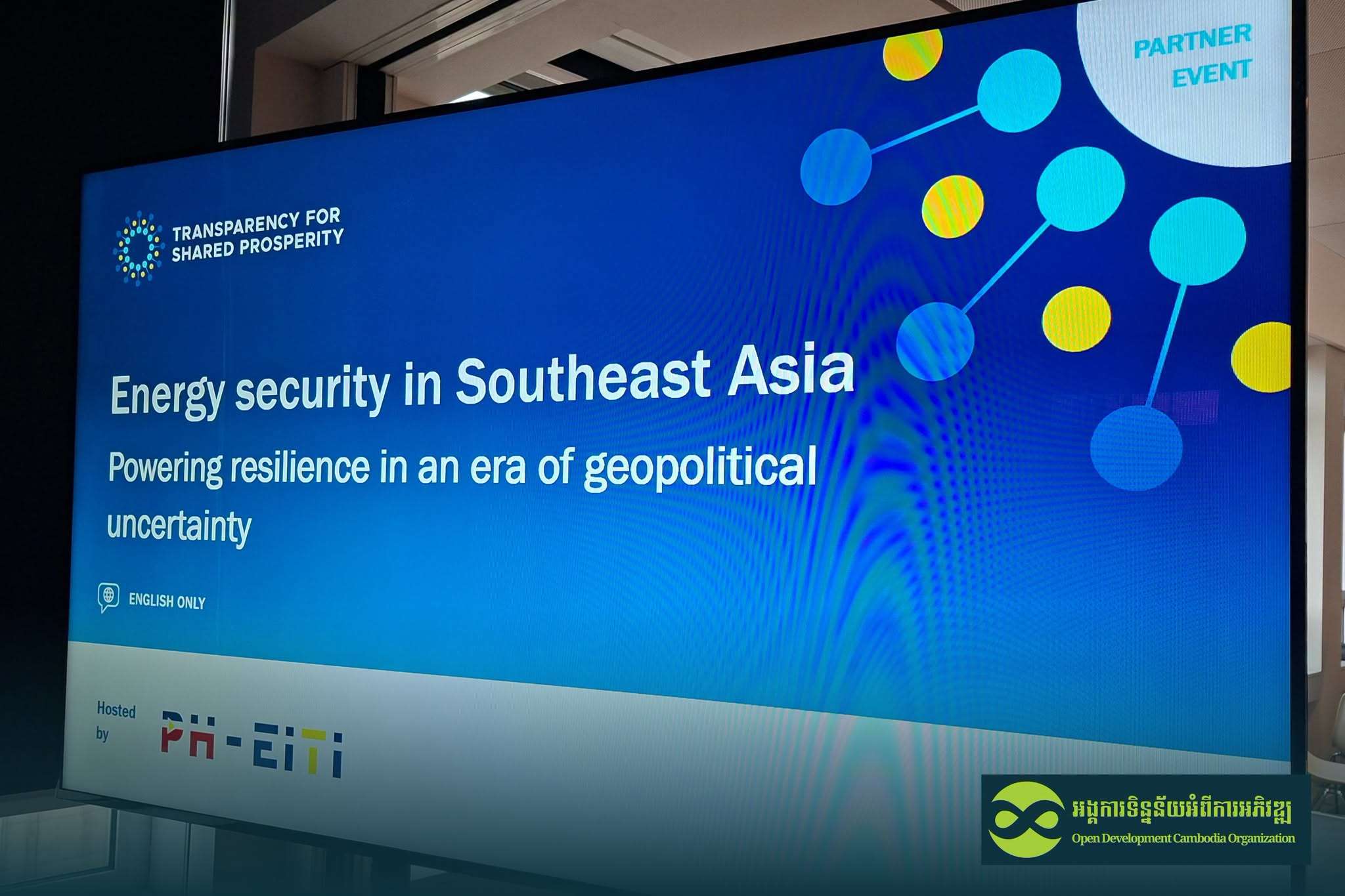
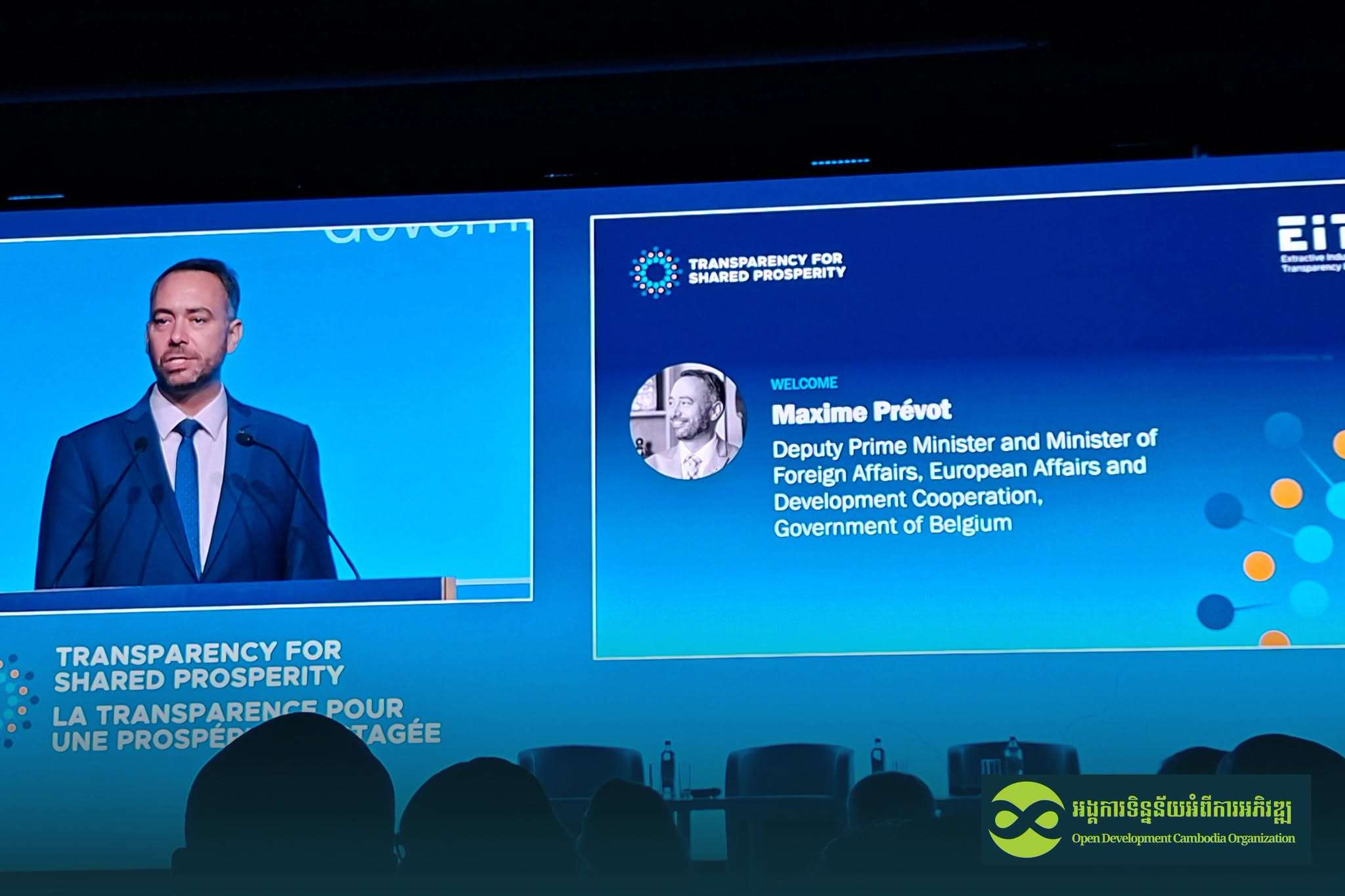
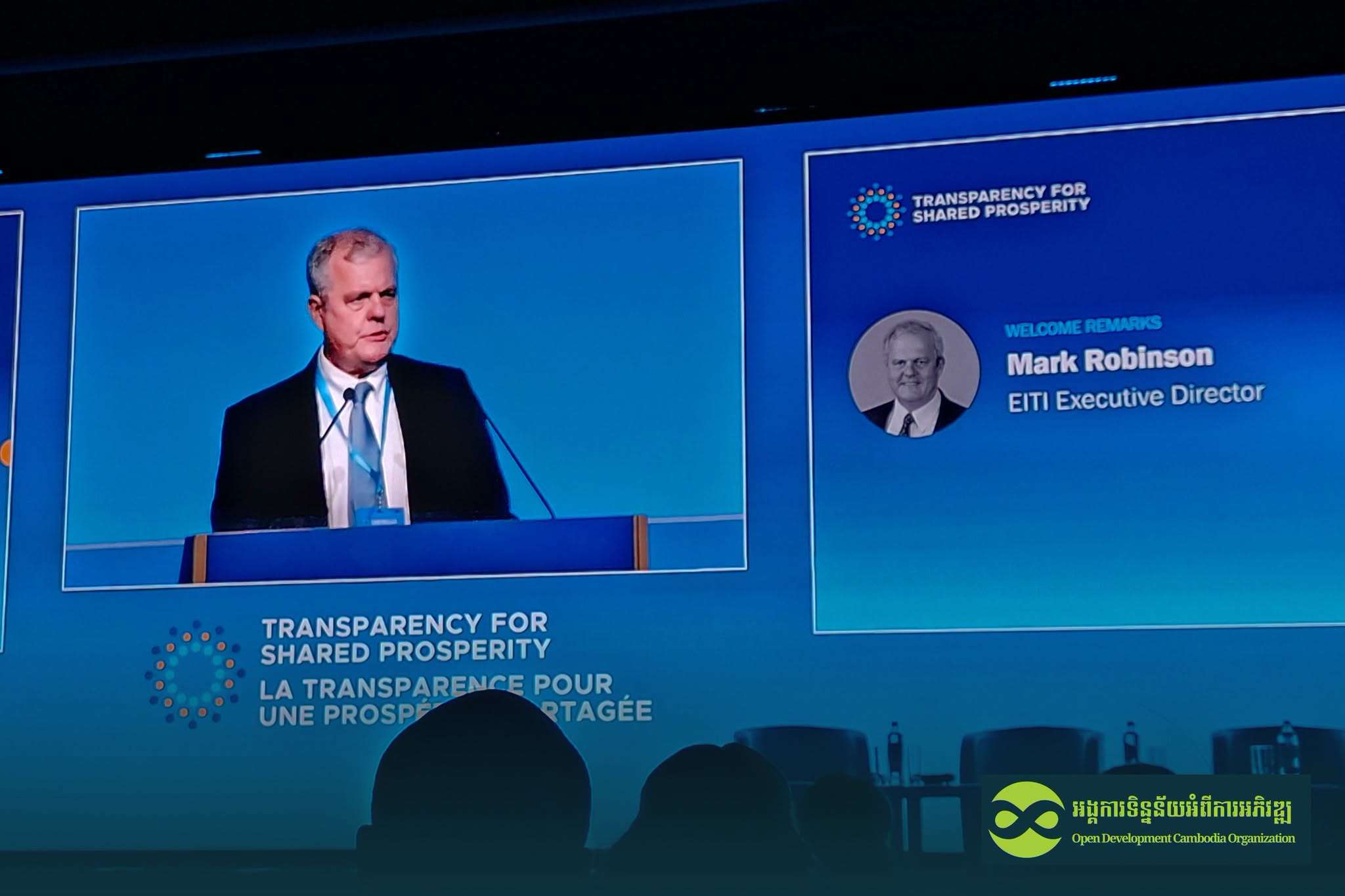
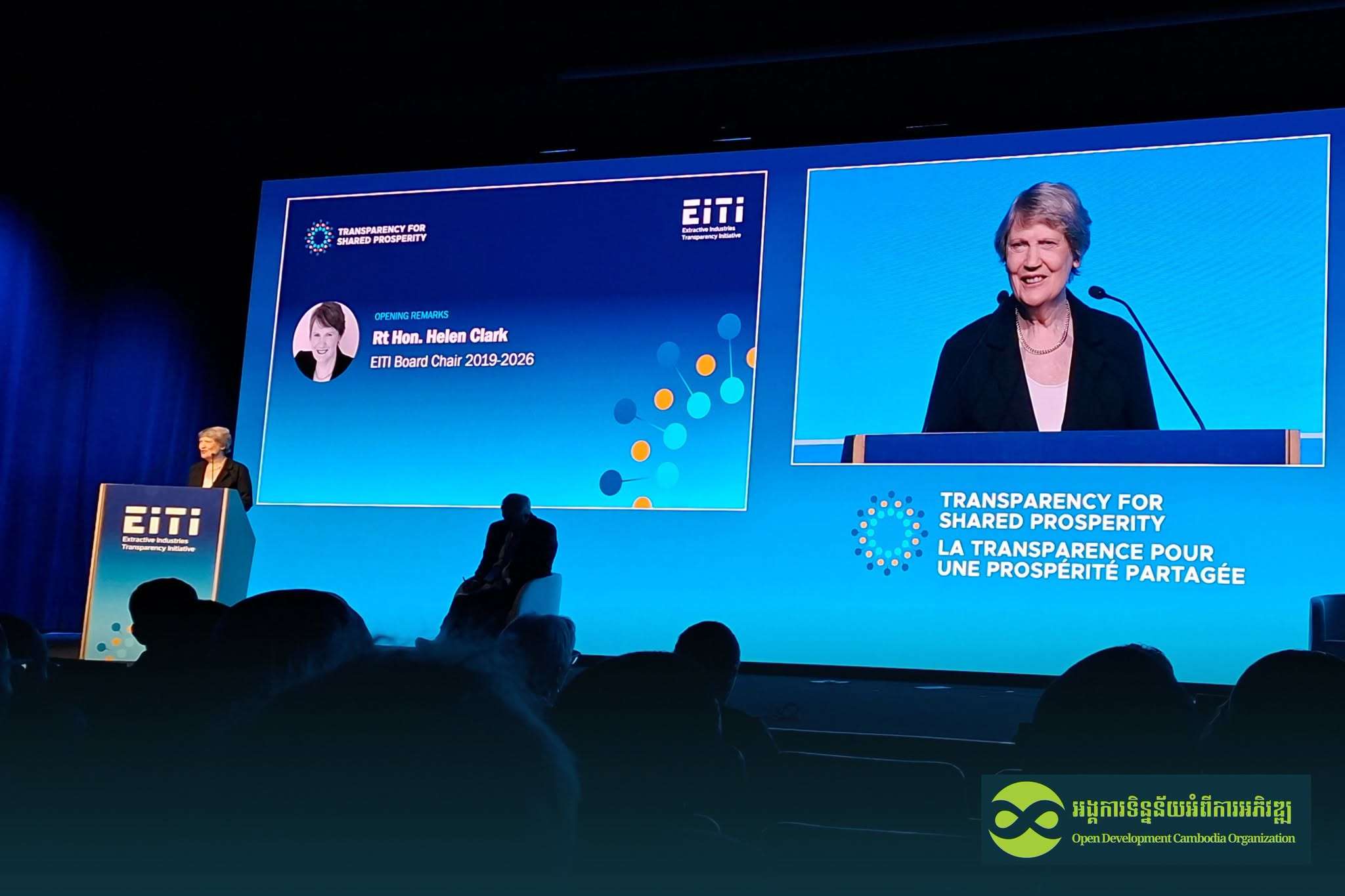
The discussions were particularly relevant amid concerns about shrinking civic space and changing funding priorities. Sustaining transparency requires continued support for public access to information, independent research, and meaningful civil society participation. For communities facing exclusion, access to data needs to be accompanied by inclusive dialogue and opportunities to question decisions and seek responses. Civil society Organizations help people interpret information and communicate their concerns. Try’s participation reinforced the importance of connecting reliable data with public participation. As interest in critical minerals grows, communities need to understand how resources are governed, how benefits are distributed, and how decisions affect their future. By making information accessible and supporting its use, ODC contributes to public trust, informed participation, and accountability essential foundations for shared prosperity.

