បរិបទវិវត្តន៍នៃអភិបាលកិច្ចអ៊ីនធឺណិត៖ ហេតុអ្វីបានជាការសន្ទនាពហុភាគីមានសារៈសំខាន់?
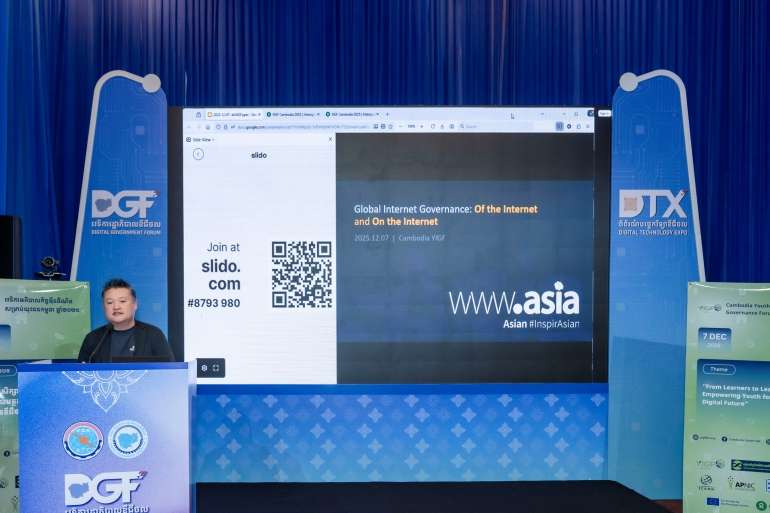
ពិភពឌីជីថលកំពុងពង្រីកខ្លួនក្នុងល្បឿនលឿនជាងគោលនយោបាយដែលត្រូវបានរៀបចំឡើងដើម្បី គ្រប់គ្រងវា។ ក្នុងបរិបទនេះ លោក Edmond Chung អគ្គនាយកក្រុមហ៊ុន DotAsia បានបង្ហាញអំពីប្រវត្តិ ស្ថានភាពបច្ចុប្បន្ន និងទិសដៅអនាគតនៃអភិបាលកិច្ចអ៊ីនធឺណិត។ លោកបានចាប់ផ្តើមដោយលើកឡើងពីសារៈសំខាន់ នៃការស្រាវជ្រាវដែលដឹកនាំដោយយុវជន ព្រោះវាមិនត្រឹមតែបន្ថែមទស្សនៈថ្មីៗចំពោះបញ្ហាឌីជីថលដ៏ស្មុគស្មាញប៉ុណ្ណោះទេ ប៉ុន្តែថែមទាំងជួយណែនាំដល់អ្នកធ្វើគោលនយោបាយ ដែលទទួលខុសត្រូវនៅក្នុងការបង្កើតអនាគតនៃពិភពអនឡាញផងដែរ។
នៅពេលអ្នកស្រាវជ្រាវវ័យក្មេងចូលរួមដោយផ្ទាល់ជាមួយបញ្ហាដូចជា ការរក្សាសិទ្ធិ ឯកជនភាព និងអភិបាលកិច្ច ពួកគេអាចពង្រឹងការយល់ដឹងរបស់ខ្លួនអំពីប្រព័ន្ធទាំងនេះកាន់តែស៊ីជម្រៅ និងឃើញពីស្ថានភាពជាក់ស្តែងជុំវិញខ្លួនពួកគេផងដែរ។
ឧទាហរណ៍មួយគឺការសិក្សាពីសិទ្ធិអ្នកនិពន្ធនៅក្នុងបរិបទឌីជីថល។ ខណៈពេលដែលការរក្សាសិទ្ធិមានសារៈសំខាន់សម្រាប់ការការពារការងារដែលមានភាពច្នៃប្រឌិតក៏ដោយ ក៏វាប្រឈមមុខនឹងបញ្ហាដែលមិនធ្លាប់មានពីមុនមកលើអ៊ីនធឺណិត ដូចជាការចែករំលែកមាតិកាឆាប់រហ័ស និងភាពមិនច្បាស់លាស់នៃកម្មសិទ្ធិ។ បរិយាកាសឌីជីថល ដែលមានលក្ខណៈបត់បែន និងមានទំហំធំ ទាមទារឱ្យក្របខណ្ឌរក្សាសិទ្ធិមានការវិវត្ត។ ប្រសិនបើមិនមានការកែសម្រួលទេ ប្រព័ន្ធដែលតឹងរឹងហួសហេតុអាច នឹងរារាំងការច្នៃប្រឌិត និងនវានុវត្តន៍ ជាជាងការពារវាដូចដែលការរំពឹងទុក។
ទោះជាយ៉ាងណាក្តី ការកំណត់បទប្បញ្ញត្តិមិនមែនជារឿងងាយស្រួលឡើយ។ ការរំពឹងឱ្យអ្នកផ្តល់សេវា អនុវត្តការត្រួតពិនិត្យ ឬការតាមដានជានិច្ច ដើម្បីអនុវត្តសិទ្ធិអ្នកនិពន្ធ បង្កើតសំណួរចំពោះលទ្ធភាពអនុវត្ត ភាពឯកជន និងយុត្តិធម៌។ នេះឆ្លុះបញ្ចាំងពីការពិតដ៏ទូលំទូលាយមួយដែលបង្ហាញថា បទប្បញ្ញត្តិគោលនយោបាយនៅក្នុងលំហឌីជីថលមានលក្ខណៈស្មុគស្មាញ។
អភិបាលកិច្ចអ៊ីនធឺណិតអាចត្រូវបានគេយល់ថាជា «ភាពមិនស៊ីសង្វាក់គ្នានៃលំហ ល្បឿន និងមាត្រដ្ឋាន» ដែលជាបទពិសោធន៍តែមួយគត់ក្នុងលំហពេលវេលា ដែលប្រឈមនឹងគំរូបទប្បញ្ញត្តិប្រពៃណី។ ផ្ទុយពីប្រព័ន្ធពហុភាគីកំពូលរបស់អង្គការសហប្រជាជាតិ អភិបាលកិច្ចអ៊ីនធឺណិតដំណើរការលើគំរូពហុភាគី។ នេះមានន័យថារដ្ឋាភិបាល វិស័យឯកជន សង្គមស៊ីវិល បណ្ឌិត្យសភា និងអ្នកជំនាញបច្ចេកទេស ត្រូវតែចូលរួមក្នុងកិច្ចសន្ទនា ដើម្បីពិនិត្យឡើងវិញនូវការសន្មត់របស់ខ្លួនទៅវិញទៅមក និងរួមគ្នាបង្កើតលទ្ធផលមួយ។
លើសពីនេះទៅទៀត អភិបាលកិច្ចអ៊ីនធឺណិតគឺជាដំណើរការពីក្រោមឡើងលើដែលជំរុញដោយការឯកភាពគ្នា។ ហើយដោយសារតែអ៊ីនធឺណិតគឺជាធនធានសាធារណៈសកល អភិបាលកិច្ចរបស់វាត្រូវតែឆ្លុះបញ្ចាំងពីផលប្រយោជន៍សាធារណៈជាសកល។ វិធីសាស្ត្រពហុភាគីមិនគួរលេចឡើងតែនៅចុងបញ្ចប់នៃការអភិវឌ្ឍគោលនយោបាយនោះទេ វាត្រូវតែរួមបញ្ចូលពីការកំណត់របៀបវារៈ និងការរចនា តាមរយៈការពិភាក្សា និងការអភិវឌ្ឍ រហូតដល់ការសម្រេចចិត្ត និងការអនុវត្ត។
ការពិភាក្សាអំពីអភិបាលកិច្ចអ៊ិនធឺណិត តែងតែប្រទាក់ក្រឡាជាមួយកង្វល់សំខាន់ៗដូចជា ឯកជនភាព សុវត្ថិភាពទិន្នន័យ និងការរីកសាយភាយនៃព័ត៌មានក្លែងក្លាយ។ ខណៈពេលដែលសង្គមនានាខិតខំប្រយុទ្ធប្រឆាំងនឹងព័ត៌មានមិនពិត និងការផ្សព្វផ្សាយព័ត៌មានមិនពិត ពួកគេប្រឈមមុខនឹងភារកិច្ចលំបាកនៅក្នុងការធ្វើឱ្យមានតុល្យភាពរវាងបទប្បញ្ញត្តិនៃការនិយាយពាក្យសម្តីស្អប់ខ្ពើម ជាមួយនឹងការការពារសិទ្ធិក្នុងការបញ្ចេញមតិដោយសេរី ព្រោះវាជាតុល្យភាពដែលកាន់តែពិបាកនៅក្នុងការរក្សា។ គោលនយោបាយនាពេលអនាគតក៏ត្រូវតែរួមបញ្ចូលគណនេយ្យភាពផ្នែករបៀបដោះស្រាយបញ្ហា (algorithmic accountability) និងសវនកម្ម ផងដែរ ដោយធានាថាប្រព័ន្ធដែលបង្កើតបទពិសោធន៍ឌីជីថលរបស់យើងអាចត្រូវបានត្រួតពិនិត្យ យល់ដឹង និងកែតម្រូវនៅពេលចាំបាច់។
ឧទាហរណ៍ដ៏ប្រុងប្រយ័ត្នមួយគឺសិទ្ធិរបស់សហភាពអឺរ៉ុបក្នុងការលុបទិន្នន័យ។ ខណៈពេលដែលមានចេតនាល្អក្នុងការអនុវត្តវិធានការនេះ ការអភិវឌ្ឍរបស់វាមិនបានឆ្លងកាត់ការពិគ្រោះយោបល់ពហុភាគីដ៏ទូលំទូលាយនោះទេ។ ជាលទ្ធផល អ្នកប្រើប្រាស់ត្រូវបានរំខាន ដោយផ្ទាំងបដាការយល់ព្រមទទួលខូគី (cookie) ដែលជាលទ្ធផលនៃការព្រមាន របស់ក្រុមបច្ចេកទេសថាអាចនឹងមានទាំងភាពស្មុគស្មាញ និងគ្មានប្រសិទ្ធភាព។ ករណីនេះត្រូវបានប្រើជាការក្រើនរំលឹកថា គោលនយោបាយដែលបង្កើតឡើងដោយគ្មានជំនាញបច្ចេកទេស អាចនាំឱ្យមានភាពភាពមិនប្រក្រតីក្នុងការអនុវត្តជាក់ស្តែង និងផលវិបាកដែលមិនបានរំពឹងទុក។
នៅក្នុងកម្មវិធីអភិបាលកិច្ចអ៊ីនធឺណិត២០២៥ តារាសម្តែង Joseph Gordon-Levitt បានបង្ហាញពី ទ្រឹស្តីសំខាន់មួយ៖ «ឌីជីថលរបស់អ្នកជាកម្មសិទ្ធិរបស់អ្នក»។ ជាខ្លឹមសារ អធិបតេយ្យភាពឌីជីថលត្រូវតែជាស្នូលនៃក្របខណ្ឌអភិបាលកិច្ចនាពេលអនាគត។ មនុស្សត្រូវតែមានទីភ្នាក់ងារមួយលើទិន្នន័យ អត្តសញ្ញាណ និងដានជើងឌីជីថលរបស់ពួកគេ។ នៅពេលដែលយើងឈានទៅមុខ ភាពស្មុគស្មាញត្រូវតែមានសាមញ្ញកម្មមុន។ មានតែតាមរយៈការដោះស្រាយយ៉ាងពេញលេញជាមួយនឹងវិមាត្របច្ចេកទេស សង្គម និងក្រមសីលធម៌នៃអភិបាលកិច្ចអ៊ីនធឺណិតប៉ុណ្ណោះ ទើបយើងអាចរចនាដំណោះស្រាយដែលមានប្រសិទ្ធភាព និងអាចអនុវត្តបាន។ ការស្រាវជ្រាវដែលដឹកនាំដោយយុវជន កិច្ចសហប្រតិបត្តិការពហុភាគី និងការបង្កើតគោលនយោបាយសម្របខ្លួននឹងមានសារៈសំខាន់ក្នុងការបង្កើតអ៊ីនធឺណិតដែលមានសុវត្ថិភាព បើកទូលាយ ប្រកបដោយភាពច្នៃប្រឌិត និងការគោរពសិទ្ធិឌីជីថល។