ការដាក់ឱ្យដំណើរការកម្មវិធី ScamCheck AI
ការឆបោកតាមអនឡាញកំពុងតែកើនឡើងយ៉ាងឆាប់រហ័សនៅក្នុងប្រទេសកម្ពុជា និងក្នុងតំបន់ ដែលមិនត្រឹមតែបណ្តាលឱ្យខាតបង់ថវិកាប៉ុណ្ណោះទេ ថែមទាំងបង្កឱ្យមានវិបត្តិផ្លូវចិត្តផងដែរ។ ទម្រង់នៃការឆបោកជាទូទៅរួមមាន ការទិញសម្ភារៈដែលមានតម្លៃទាប និងសមរម្យ ប៉ុន្តែមិនដឹកជញ្ជូនឱ្យអតិថិជន ការសន្យាមិនពិតចំពោះការងារដែលទទួលបានប្រាក់ខែខ្ពស់ ការបញ្ឆោតតាមរយៈតំណភ្ជាប់ដោយភ្ជាប់ជាមួយសេវាកម្មធនាគារ ឬដឹកជញ្ជូន ព្រមទាំងវីដេអូមិនពិត និងឯកសារក្លែងក្លាយជាដើម។ ការបោកប្រាស់ទាំងនេះ ធ្វើឱ្យបាត់បង់ទំនុកចិត្ត និងបង្កឱ្យមានផលលំបាក ដោយកំណត់គោលដៅទាំងបុគ្គល និងអាជីវកម្ម។
នៅប្រទេសកម្ពុជា ប្រព័ន្ធអេកូឡូស៊ីនៃការផ្ទៀងផ្ទាត់ភាពត្រឹមត្រូវកំពុងត្រូវបានបង្កើតឡើងដើម្បីឆ្លើយតបទៅនឹងការរីករាលដាលនៃព័ត៌មានភ័ន្តច្រលំ ជាពិសេសនៅលើប្រព័ន្ធផ្សព្វផ្សាយសង្គម។ អង្គការសង្គមស៊ីវិល ប្រព័ន្ធផ្សព្វផ្សាយឯករាជ្យ និងក្រុមតស៊ូមតិដែលលើកកម្ពស់វិជ្ជាជីវៈសារព័ត៌មានសីលធម៌ និងអក្ខរកម្មប្រព័ន្ធផ្សព្វផ្សាយ។ គំនិតផ្តួចផ្តើមដូចជាមជ្ឈមណ្ឌលប្រព័ន្ធផ្សព្វផ្សាយស្ត្រី (WMC) ដើរតួនាទីយ៉ាងសំខាន់ដោយផលិតខ្លឹមសារដែលផ្តល់ផលប្រយោជន៍សាធារណៈ ពង្រឹងសមត្ថភាពរបស់អ្នកសារព័ត៌មាន និងលើកទឹកចិត្តដល់ការរាយការណ៍ដែលមានលក្ខណៈរសើបចំពោះយេនឌ័រ និងមានទំនួលខុសត្រូវ។ រួមជាមួយ WMC ប្រព័ន្ធផ្សព្វផ្សាយផ្សេងទៀត អង្គការមិនមែនរដ្ឋាភិបាល និងគំនិតផ្តួចផ្តើមដែលដឹកនាំដោយយុវជន រួមចំណែកក្នុងការតាមដានព័ត៌មានមិនពិត បង្កើនការយល់ដឹងជាសាធារណៈ និងជំរុញការគិតពិចារណា ដែលជាកត្តាដ៏សំខាន់ក្នុងការទទួលបានសុចរិតភាពព័ត៌មាននៅក្នុងការរីកចម្រើនយ៉ាងឆាប់រហ័សនៃបច្ចេកវិទ្យាឌីជីថលនៅកម្ពុជា។
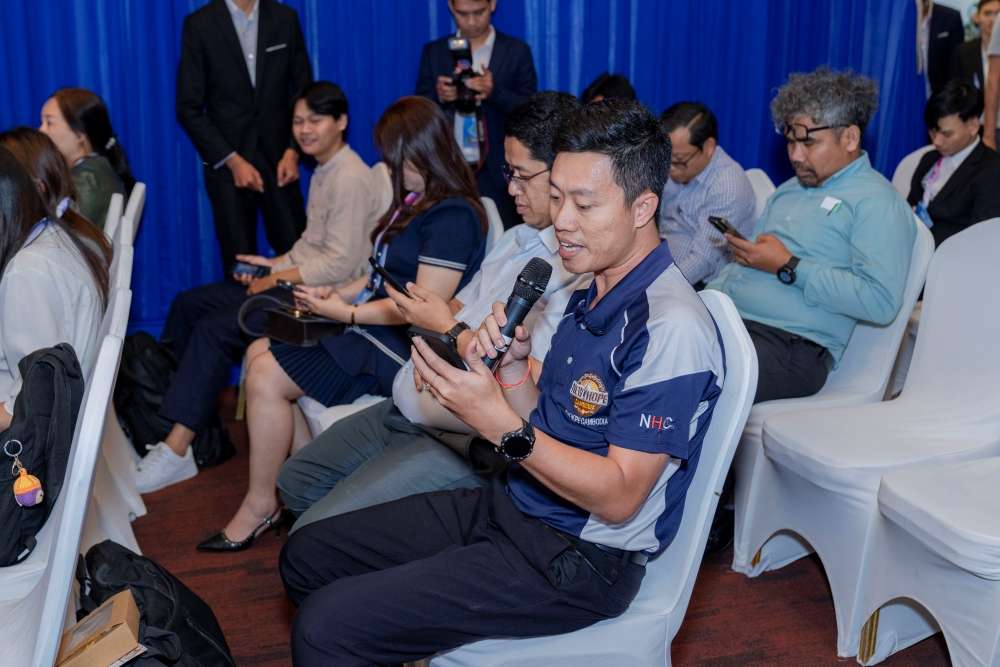
លោកបណ្ឌិត ហេង ភក្ដី ជាស្ថាបនិក និងប្រធានមជ្ឈមណ្ឌលមេគង្គសម្រាប់ការការពារទិន្នន័យ បានធ្វើបទបង្ហាញអំពីកម្មវិធី ScamCheck AI របស់មជ្ឈមណ្ឌលមេគង្គសម្រាប់ការការពារទិន្នន័យ ដែលជាកម្មវិធីនៅលើវេបសាយដ៏ឆ្លាតវៃមួយ បង្កើតឡើងដើម្បីប្រយុទ្ធប្រឆាំងនឹងការកើនឡើងនៃការឆបោកតាមអនឡាញនៅប្រទេសកម្ពុជា និងតំបន់អាស៊ីអាគ្នេយ៍។ ដោយសារតែការឆបោកនេះកាន់តែស្មុគស្មាញ បុគ្គល និងអង្គការជាច្រើនកំពុងប្រឈមនឹងហានិភ័យខ្លាំងជាងមុន ដែលកត្តានេះហើយធ្វើឱ្យកម្មវិធី ScamCheck AI មានសារៈសំខាន់យ៉ាងខ្លាំងក្នុងការធានាសុវត្ថិភាពតាមអ៊ីនធឺណិតសម្រាប់ពួកគេ។

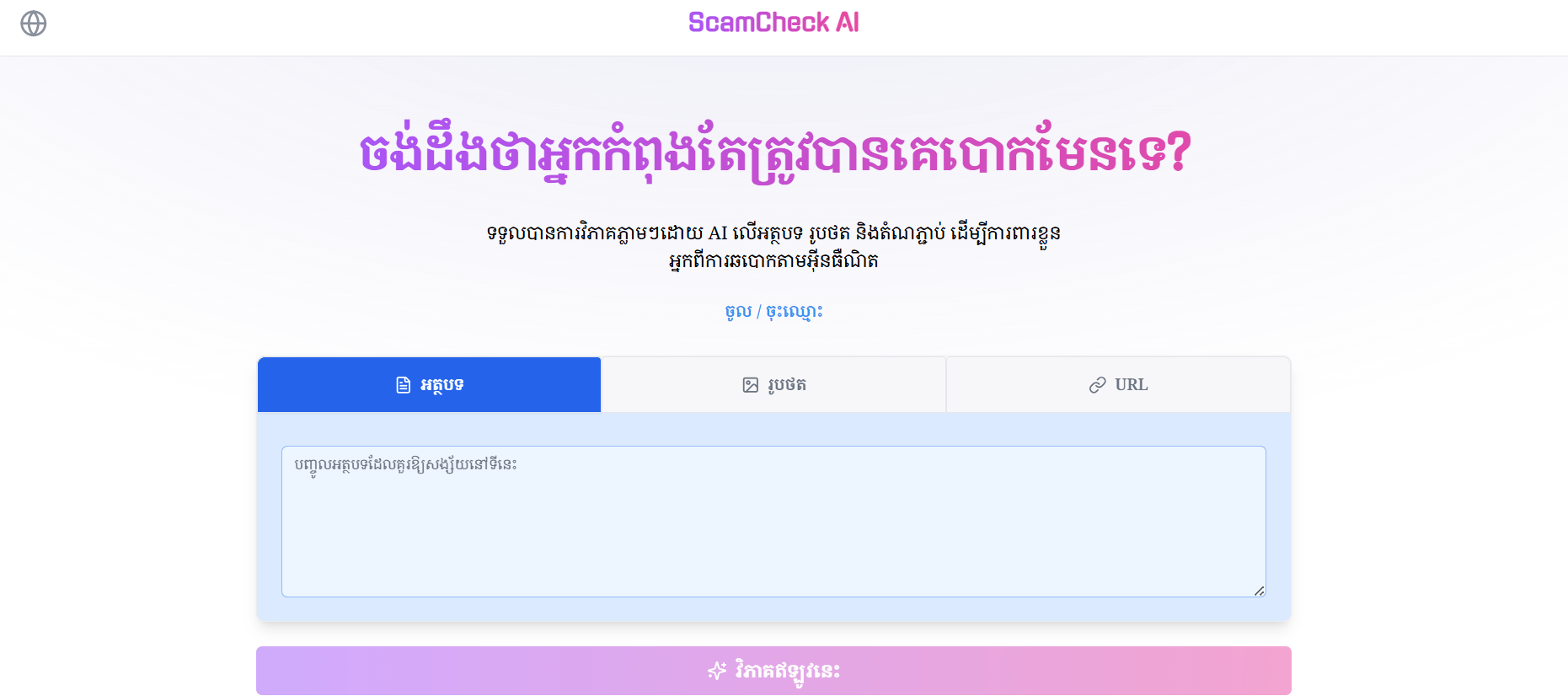
កម្មវិធីនេះត្រូវបានបង្កើតឡើងដើម្បីជួយអ្នកប្រើប្រាស់កំណត់អត្តសញ្ញាណ និងគេចផុតពីការឆបោកទាំងអស់នេះ។ កម្មវិធីនេះអាចវិភាគរូបភាព សារអត្ថបទ និង URL របស់គេហទំព័រ ដោយប្រើគំរូ AI កម្រិតខ្ពស់ ដើម្បីស្វែងរកសារក្លែងក្លាយ តំណភ្ជាប់បញ្ឆោត និងរូបភាពក្លែងក្លាយ។ នៅពេលដែលវារកឃើញសញ្ញាណនៃការបោកប្រាស់ កម្មវិធី ScamCheck AI នឹងបង្ហាញពីកម្រិតនៃហានិភ័យ និងពន្យល់យ៉ាងលម្អិតអំពីគ្រោះថ្នាក់ពាក់ព័ន្ធនឹងមាតិកាប្រភេទនេះ។
វេបសាយនេះមានមុខងារជាច្រើនសម្រាប់ការពារអ្នក។ អ្នកប្រើប្រាស់ទទួលបានលទ្ធផលនៃការវិភាគហានិភ័យដោយបែងចែកទៅជាបីកម្រិត រួមមានខ្ពស់ មធ្យម ឬទាប ព្រមទាំងភ្ជាប់មកជាមួយនូវការពន្យល់ ឬមូលហេតុដែលមាតិកានេះត្រូវបានចាត់ទុកថាជាការឆបោក។ កម្មវិធីនេះ ក៏ផ្តល់នូវគោលការណ៍សុវត្ថិភាពជាក់ស្ដែង ដូចជា “កុំចុចលើតំណភ្ជាប់នេះ” ឬ “ផ្លាស់ប្តូរពាក្យសម្ងាត់របស់អ្នក” និងណែនាំអំពីអ្វីដែលគួរធ្វើ ប្រសិនបើអ្នកធ្លាក់ចូលទៅក្នុងការឆបោកនេះ។ មុខងារទាំងអស់នៅក្នុងកម្មវិធីនេះ ត្រូវបានបើកឱ្យដំណើរការ ហើយកំពុងតែជួយអ្នកប្រើប្រាស់ជាច្រើនស្វែងយល់ពីការគំរាមកំហែងតាមអនឡាញមួយនេះ។
ScamCheck AI គឺបង្កើតឡើងក្នុងគោលបំណងសម្រាប់មនុស្សទូទៅអាចប្រើប្រាស់បាន។ អ្នកទិញទំនិញតាមអនឡាញ អ្នកស្វែងរកការងារ បុគ្គលិកក្រុមហ៊ុន សាលារៀន អង្គការមិនមែនរដ្ឋាភិបាលដែលបង្រៀនសុវត្ថិភាពឌីជីថល បុគ្គលិករដ្ឋាភិបាល និងសាធារណជនទាំងអស់អាចទទួលបានអត្ថប្រយោជន៍ពីឧបករណ៍នេះ។ តាមរយៈចំណេះដឹង និងការណែនាំដែលអាចយកទៅអនុវត្តដោយខ្លួនឯងបាន កម្មវិធីនេះពង្រឹងសមត្ថភាពអ្នកប្រើប្រាស់ដើម្បីអាចការពារខ្លួន និងសហគមន៍ពីការក្លែងបន្លំតាមអនឡាញ។
នៅក្នុងពេលអនាគត មជ្ឈមណ្ឌលមេគង្គសម្រាប់ការការពារទិន្នន័យ មានផែនការដ៏ច្បាល់លាស់មួយសម្រាប់ ScamCheck AI។ ក្នុងរយៈពេលប្រាំមួយខែខាងមុខ ក្រុមការងារគ្រោងនឹងបង្កើតក្រុមតេឡេក្រាមមួយ ដែលប្រមូលផ្ដុំទៅដោយអ្នកជំនាញ ឬអ្នកសិក្សាពីការឆបោកអនឡាញ ដើម្បីផលិតរបាយការណ៍ទាក់ទងនឹងការឆបោក ចែករំលែកគន្លឹះសុវត្ថិភាព និងលើកកម្ពស់ការយល់ដឹង បង្កើតប្រព័ន្ធរាយការណ៍ដោយស្វ័យប្រវត្តិដើម្បីជួយជនរងគ្រោះដាក់ពាក់បណ្ដឹងទៅអាជ្ញាធរ និងស្វែងរកដៃគូសហការ និងមូលនិធិដើម្បីពង្រីកកិច្ចការនេះ។ ក្រៅពីនេះ ក្នុងរយៈពេល ១២ ទៅ ២៤ ខែខាងមុខ ScamCheck AI មានគោលបំណងបញ្ចូលភាសាជាច្រើនទៀត រួមទាំងភាសាជនជាតិភាគតិច ពង្រីកវិសាលភាពទៅប្រទេសជិតខាងនៅក្នុងតំបន់អាស៊ីអាគ្នេយ៍ និងកែលម្អភាពត្រឹមត្រូវ និងការគ្របដណ្តប់នៃទិន្នន័យនៃការឆបោកដែលធ្វើការកត់ត្រាទុក។
បច្ចេកវិទ្យា AI កម្រិតខ្ពស់ និងវេបសាយដែលបង្កភាពងាយស្រួលដល់អ្នកប្រើប្រាស់របស់កម្មវិធី ScamCheck AI គឺជាគំនិតផ្ដួចផ្ដើមដ៏ធំមួយក្នុងការការពារបុគ្គល និងសហគមន៍ពីឆបោកតាមអ៊ីនធឺណិត។ ខណៈពេលដែលការគំរាមកំហែងតាមអនឡាញវិវត្តជាប្រចាំ ឧបករណ៍បែបនេះមានសារៈសំខាន់ណាស់ក្នុងការធានាថាយើងមានសុវត្ថិភាពនៅក្នុងយុគឌីជីថលនេះ។