Civil society’s presence in the budget room: Participating in Cambodia’s National Public Forum on Public Financial Management
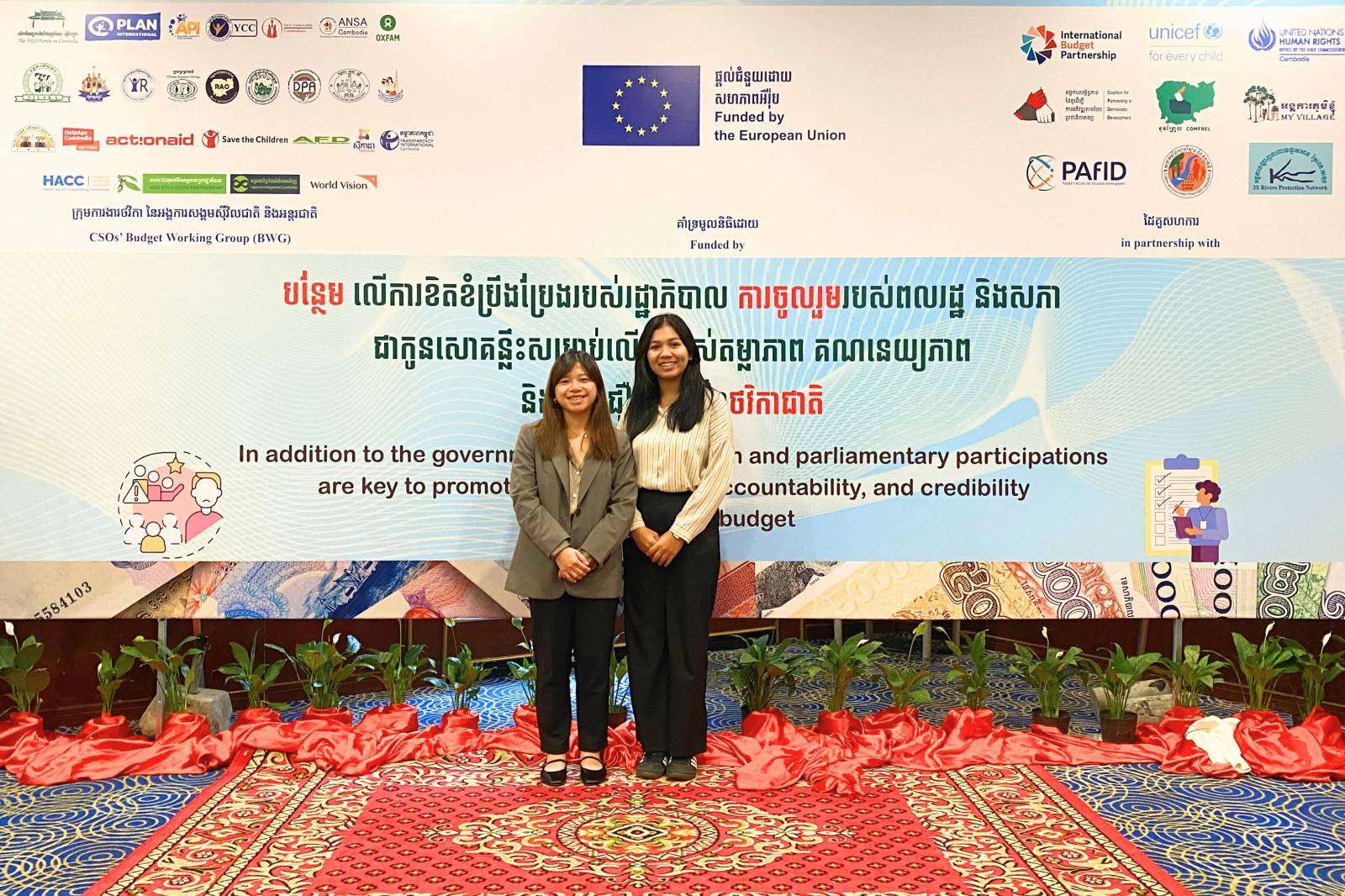
On 28 May 2026, the Open Development Cambodia (ODC) team joined other stakeholders from civil society, government, and development partners for the National Public Forum on Public Participation in “Strengthening Transparency, Accountability, and Trust in the Public Financial Management Process.” As part of the National Budget Working Group, ODC was among the many voices from across Cambodian society gathered to explore how civil society can engage more meaningfully with the national budget, and why that engagement has never been more urgent.
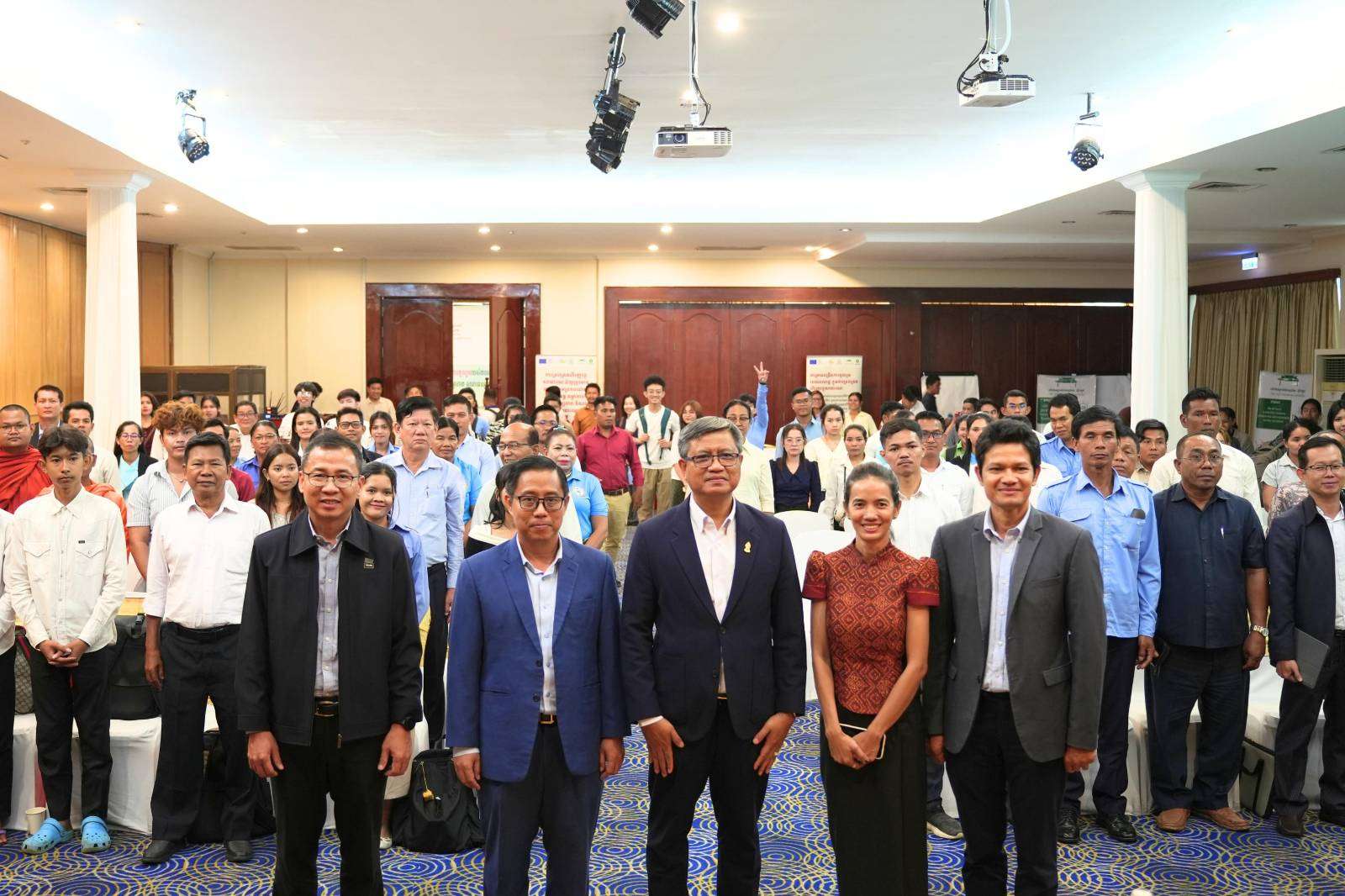
The workshop opened against a backdrop of notable progress. Cambodia’s Open Budget Index (OBI) score, the globally recognized measure of how accessible and comprehensible governments make their budget documents for citizens, has risen steadily over the past decade, from just 8 in 2015 to 54 in 2025. While this trajectory reflects genuine reform efforts by the Ministry of Economy and Finance (MEF), including EU-supported participation in budget reform processes, the country has yet to cross the threshold of 61 that the International Budget Partnership considers “sufficient.” The message from participants was clear: the numbers are moving in the right direction, and meaningful public participation is essential to achieve the goal.
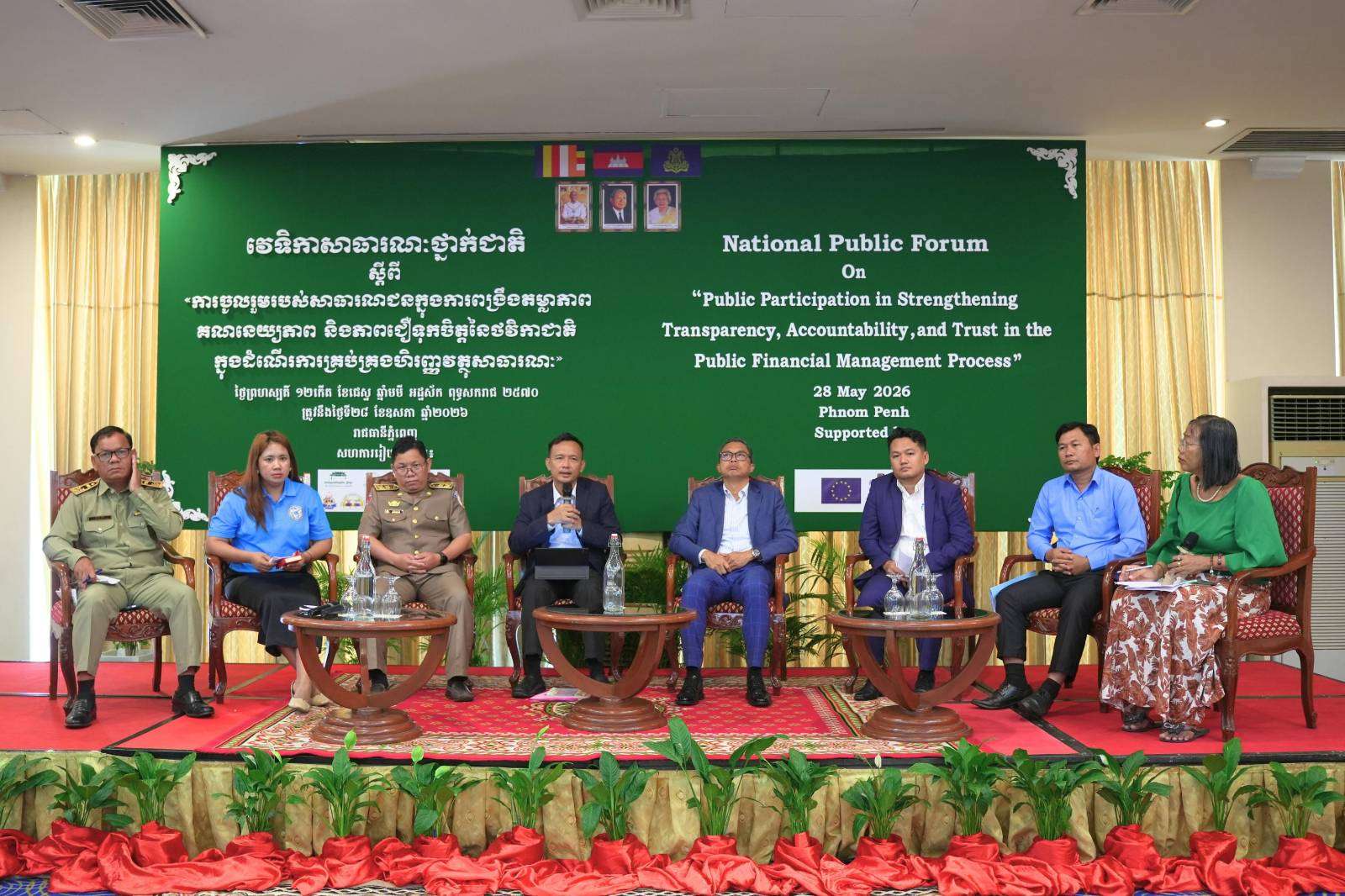
A recurring theme throughout the day was the distinction between spending more and spending better. Discussions around Cambodia’s public revenue system, which draws on 18 types of tax and non-tax revenue streams, from VAT, profit tax, and customs duties to state property rental and land lease, emphasized that collection alone does not guarantee that funds reach the people who need them most. SMEs, which represent over 90% of businesses in the country and contribute an estimated 50 to 60 percent of national GDP, were highlighted as both key contributors to the tax base and stakeholders with a direct interest in how budgets are allocated.
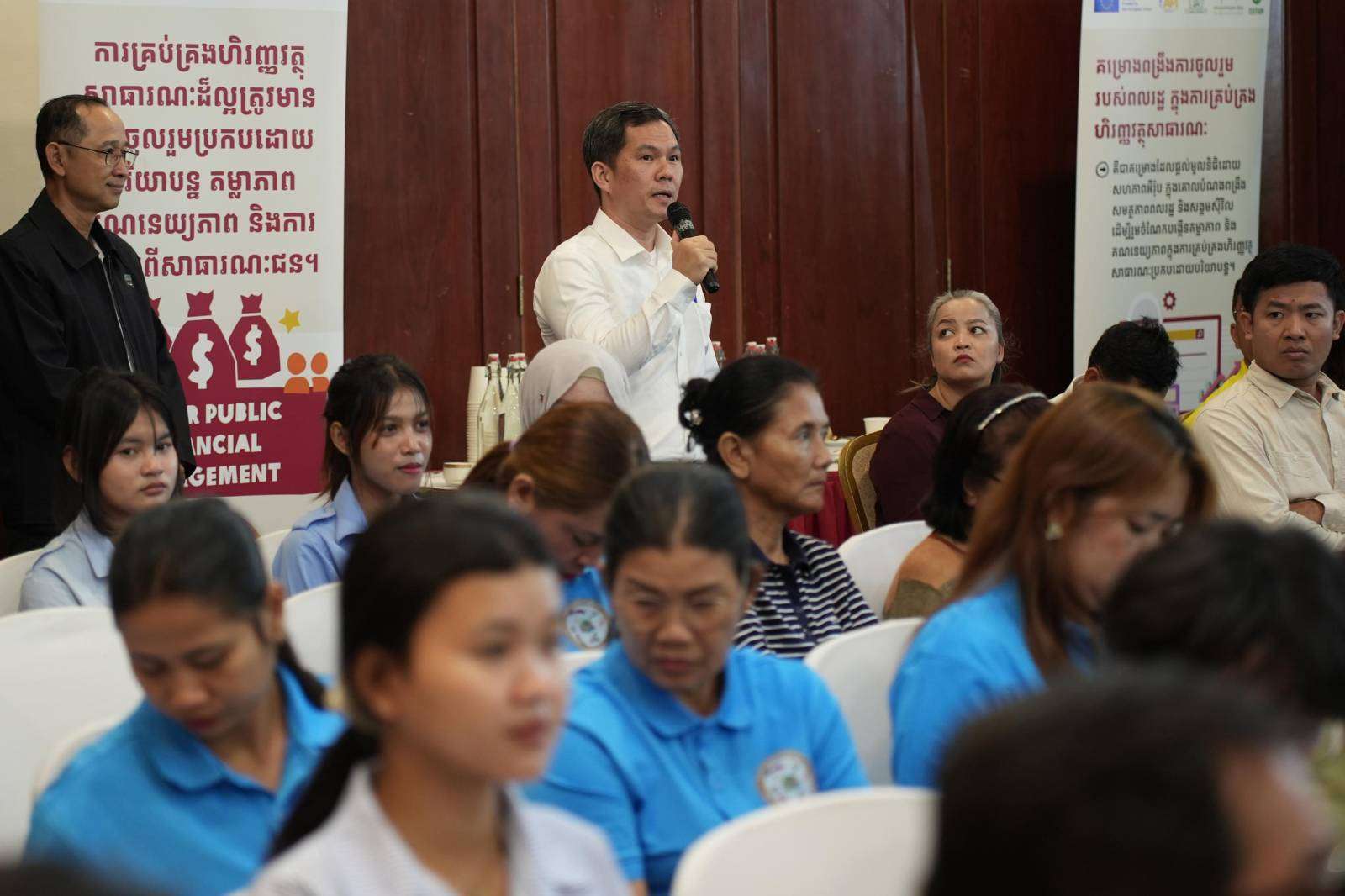
Questions were posed about whether the energy budget would be sufficient to meet demand, and whether communities living near the borders would benefit from basic infrastructure support through targeted government packages. Discussions also touched on whether people with disabilities have a dedicated budget allocation, a question that reflects the broader call for responsive budgeting that accounts for the most vulnerable.
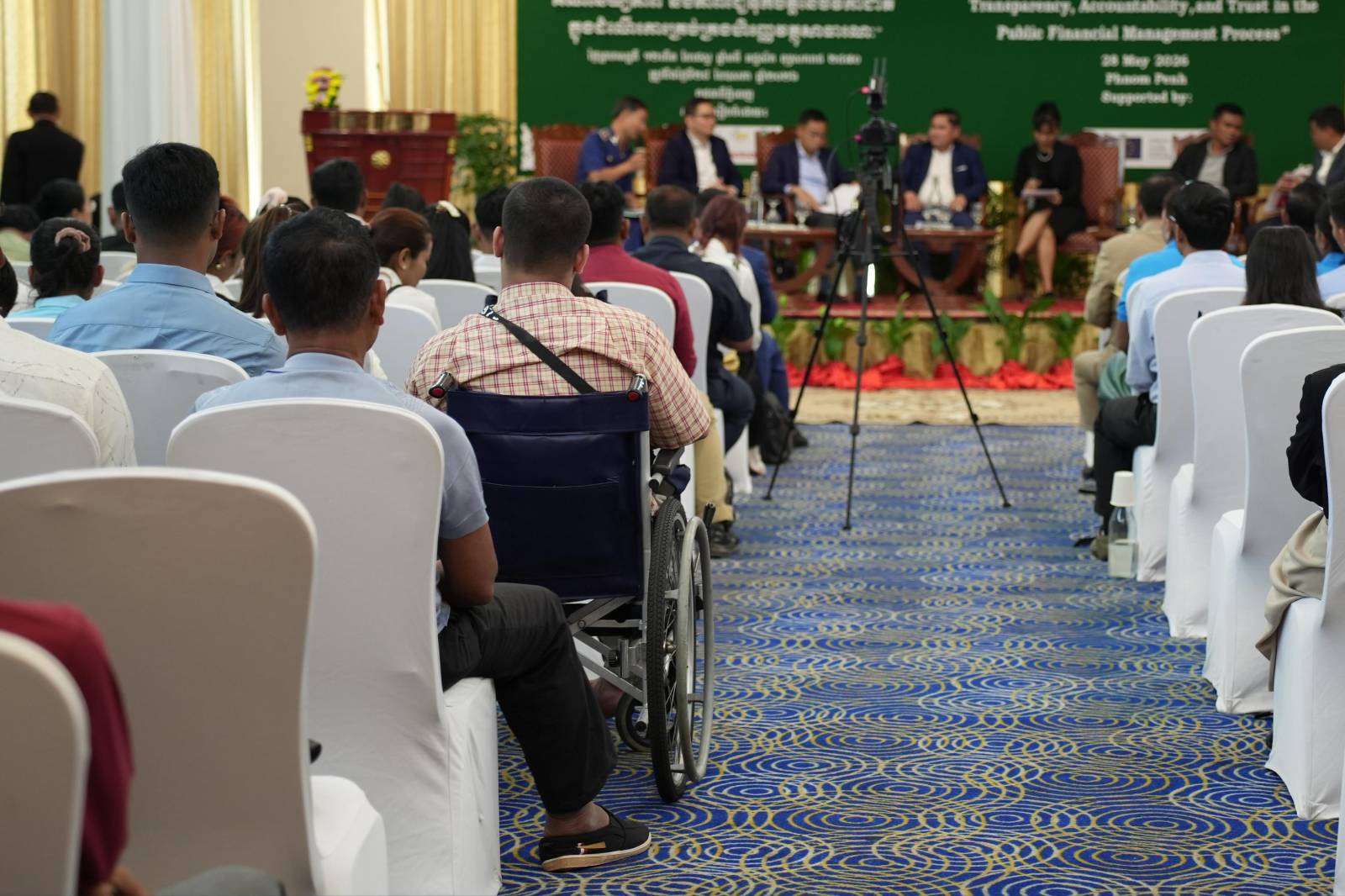
The workshop also examined the tools available to improve transparency. Proposals ranged from strengthening IT systems and conducting dissemination workshops to deploying AI-enabled hotlines to make budget information more accessible to citizens with limited technical knowledge. A key insight shared by several speakers was that the national budget belongs to the public, and that public debt, which is rising and increasingly felt at the household level, makes citizen oversight not just a right but a necessity.
Looking ahead, the workshop highlighted the need for a shared framework that strengthens coordination between national and sub-national levels while creating meaningful channels for citizen participation. Mechanisms that enable communities and civil society to express their priorities can help governments better identify where resources and attention are needed most.
For ODC, the forum was more than an opportunity to listen; it reinforced the importance of turning dialogue into action. Over the coming year, ODC will further strengthen its commitment to improving public access to budget and financial information, ensuring that data is not only available but also understandable and useful for citizens across Cambodia.
As part of this effort, ODC continues to develop and share accessible budget information that supports public awareness and engagement in local governance and service delivery. Citizens, CSOs, and other stakeholders can explore budget information for primary schools through Primary School Budget Information, access budget data for local governments via Sub-National Administration Budgets, and learn more about health service financing through Health Center Budget Information. By making these resources more accessible, ODC aims to foster greater transparency, encourage informed public participation, and contribute to more accountable and responsive governance.

